

As a seasoned supplier of Monoammonium Phosphate (MAP), I've had countless discussions with clients about the product's composition, especially its nitrogen content. In this blog, I'll delve into the details of how much nitrogen MAP contains, its significance, and why it matters in various industries.
Understanding Monoammonium Phosphate
Monoammonium Phosphate is a widely used chemical compound with the chemical formula NH₄H₂PO₄. It is a white crystalline solid that is highly soluble in water. MAP is produced by reacting ammonia with phosphoric acid. The reaction is carefully controlled to ensure the desired product quality and composition.
In the market, there are mainly two types of MAP that we offer: MAP Mono Ammonium Phosphate Agricultural grade and Monoammonium Phosphate Tech Grade (TMAP) Water Soluble. Each type has its own specific applications and requirements, and the nitrogen content plays a crucial role in determining its suitability for different uses.
Nitrogen Content in Monoammonium Phosphate
The nitrogen content in Monoammonium Phosphate typically ranges from about 10% to 12%. This nitrogen is present in the form of ammonium ions (NH₄⁺). The exact nitrogen content can vary slightly depending on the production process, the purity of the raw materials, and the specific grade of the product.

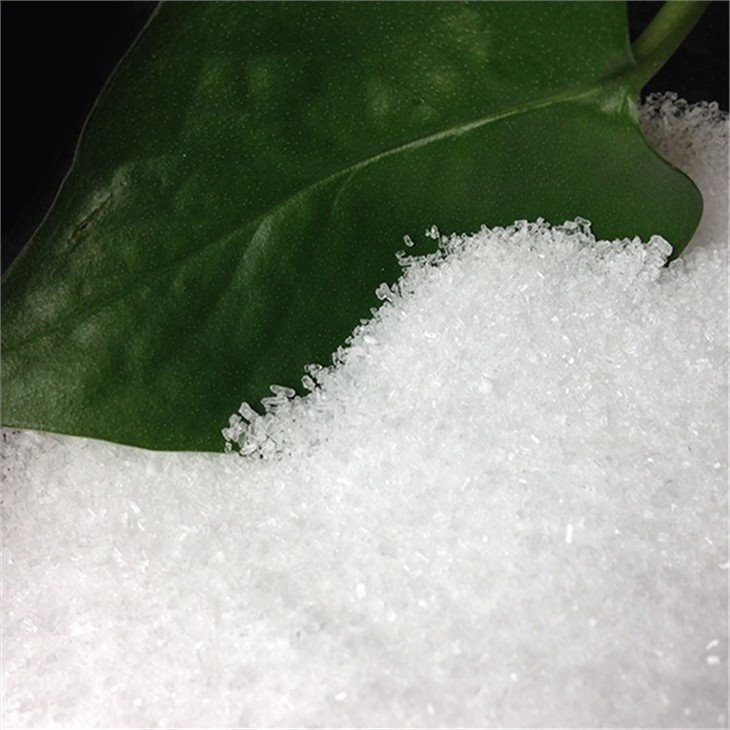
For MAP Mono Ammonium Phosphate Agricultural grade, the nitrogen content is carefully adjusted to meet the needs of the agricultural industry. Nitrogen is an essential nutrient for plant growth. It is a key component of amino acids, proteins, and chlorophyll. Adequate nitrogen supply promotes healthy leaf and stem growth, increases plant vigor, and enhances crop yields. The 10 - 12% nitrogen in agricultural - grade MAP provides a balanced source of nitrogen along with phosphorus, which is also vital for root development, flowering, and fruiting in plants.
In Monoammonium Phosphate Tech Grade (TMAP) Water Soluble, the nitrogen content also serves important functions. This grade is often used in various technical applications such as in the production of fire - retardant materials, metal surface treatment, and as a component in some industrial cleaners. The nitrogen in TMAP can contribute to the chemical reactivity of the product in these applications. For example, in fire - retardant formulations, the nitrogen can participate in chemical reactions that help to suppress flames and reduce the spread of fire.
Significance of Nitrogen Content
Agricultural Significance
In agriculture, the nitrogen content in MAP is like a fuel for plant growth. It is involved in multiple physiological processes within the plant. When plants uptake nitrogen from MAP, they use it to build proteins, which are essential for cell structure and function. Chlorophyll, the green pigment in plants that is responsible for photosynthesis, also contains nitrogen. A sufficient supply of nitrogen ensures that plants can carry out photosynthesis efficiently, converting sunlight, carbon dioxide, and water into energy and oxygen.
Moreover, nitrogen affects the overall quality of agricultural products. Crops with an adequate nitrogen supply tend to have better - formed grains, larger fruits, and more lush foliage. This not only increases the quantity of the harvest but also improves its market value.
Technical Significance
In technical applications, the nitrogen in MAP can influence the chemical and physical properties of the final product. In fire - retardant materials, nitrogen - containing compounds can act as blowing agents, releasing gases during combustion that create a layer of insulation and prevent the spread of fire. In metal surface treatment, the nitrogen can interact with metal surfaces to form protective layers or improve the adhesion of coatings.
Factors Affecting Nitrogen Content
As mentioned earlier, several factors can affect the nitrogen content in Monoammonium Phosphate. The production process is a major factor. The ratio of ammonia to phosphoric acid during the reaction needs to be precisely controlled. If the amount of ammonia is too high, it may lead to a higher nitrogen content, but it can also affect the purity and stability of the product. On the other hand, if the amount of ammonia is too low, the nitrogen content will be insufficient.
The quality of the raw materials also matters. Impurities in ammonia or phosphoric acid can interfere with the reaction and affect the final nitrogen content. Additionally, post - production processes such as drying and purification can also have a minor impact on the nitrogen content.
Measuring Nitrogen Content
To ensure the quality and consistency of our Monoammonium Phosphate products, we use advanced analytical techniques to measure the nitrogen content. One of the most common methods is the Kjeldahl method. This method involves digesting the sample in a strong acid to convert the organic and inorganic nitrogen into ammonium ions. Then, the ammonium ions are distilled and titrated to determine the amount of nitrogen present.
We also use modern instrumental methods such as elemental analyzers, which can provide more accurate and rapid results. These analyzers use techniques like combustion and infrared detection to measure the nitrogen content with high precision.
Why Choose Our Monoammonium Phosphate
As a reliable supplier of Monoammonium Phosphate, we are committed to providing high - quality products with consistent nitrogen content. Our production facilities are equipped with state - of - the - art equipment and technology, allowing us to control the production process precisely. We source our raw materials from trusted suppliers and conduct strict quality control checks at every stage of production.
Whether you need MAP Mono Ammonium Phosphate Agricultural grade for your farm or Monoammonium Phosphate Tech Grade (TMAP) Water Soluble for your industrial applications, you can count on us to deliver products that meet your specific requirements.
Connect for Purchase and Negotiation
If you are interested in our Monoammonium Phosphate products and want to discuss your procurement needs in detail, we welcome you to reach out. Whether you have questions about the nitrogen content, product specifications, or pricing, our team of experts is ready to assist you. We believe in building long - term partnerships with our clients and providing them with the best possible solutions. Don't hesitate to contact us to start the conversation and explore how our Monoammonium Phosphate can meet your needs.
References
- "Handbook of Fertilizer Technology"
- "Industrial Inorganic Chemicals: Production and Uses"
- Journal articles on the chemical composition and applications of Monoammonium Phosphate.