

Hey there! As a supplier of Diammonium Phosphate (DAP), I often get asked whether it's suitable for vegetables. Well, let's dig into this topic and find out.
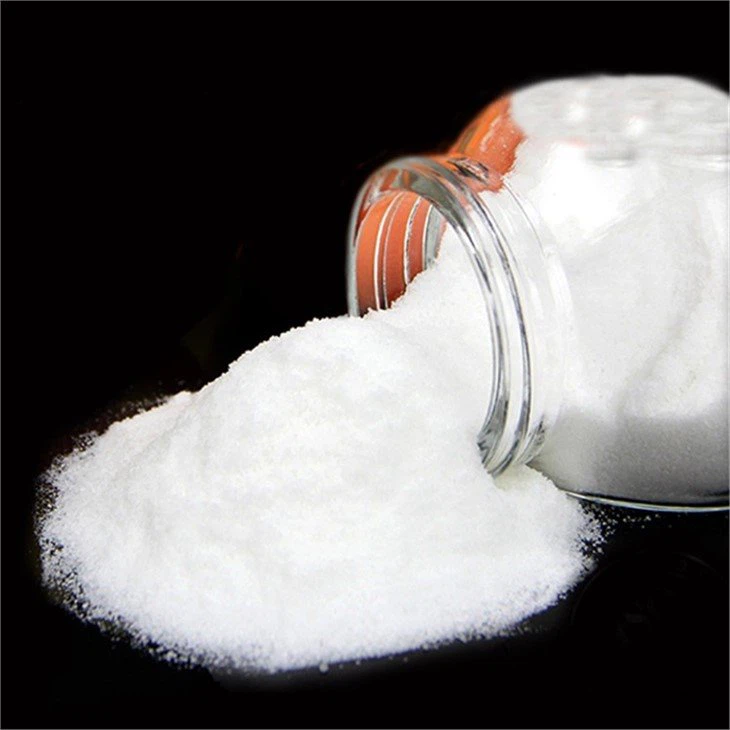
First off, let's understand what DAP is. DAP is a widely - used fertilizer in the agricultural world. It contains two key nutrients that plants need: nitrogen and phosphorus. Nitrogen is essential for the vegetative growth of plants. It helps in the formation of chlorophyll, which is crucial for photosynthesis. With enough nitrogen, your vegetable plants will have lush, green leaves and grow vigorously. Phosphorus, on the other hand, plays a vital role in root development, flowering, and fruiting. It helps plants transfer energy, and it's especially important during the early stages of a plant's life.
Now, let's talk about why DAP can be great for vegetables. When you're growing vegetables, you want them to grow strong and healthy. DAP provides a quick - release source of both nitrogen and phosphorus. For leafy vegetables like lettuce, spinach, and kale, the nitrogen in DAP can really make a difference. It will make the leaves larger, greener, and more tender. These vegetables are all about the foliage, and a good dose of nitrogen can boost their growth significantly.
For fruiting vegetables such as tomatoes, cucumbers, and peppers, the phosphorus in DAP is super important. It encourages strong root systems, which are necessary for the plant to take up water and nutrients effectively. A healthy root system also supports the plant as it grows and produces fruits. Phosphorus also helps in the development of flowers and fruits. You'll notice that your tomato plants will have more blossoms, which can lead to a higher yield of tomatoes.

But, like everything in life, there are also some things to keep in mind when using DAP on vegetables. One of the main concerns is the pH of the soil. DAP can make the soil more acidic over time. Most vegetables prefer a slightly acidic to neutral soil pH. If the soil becomes too acidic, it can affect the availability of other nutrients to the plants. For example, if the soil is too acidic, the plants may have trouble absorbing calcium, which can lead to problems like blossom - end rot in tomatoes.
Another thing is the application rate. It's easy to over - apply DAP, thinking that more is better. But too much nitrogen can actually be harmful. It can cause excessive vegetative growth at the expense of fruit production. For instance, if you give your tomato plants too much nitrogen, they may grow really tall and have lots of leaves, but they won't produce as many tomatoes. So, it's important to follow the recommended application rates on the fertilizer package.
Now, let's look at how to use DAP effectively on vegetables. Before you apply DAP, it's a good idea to test your soil. You can buy a soil testing kit at your local garden center. This will tell you the current nutrient levels and pH of your soil. Based on the test results, you can determine how much DAP you need to apply.
When applying DAP, you can either broadcast it over the soil surface and then till it in, or you can apply it in a band around the base of the plants. If you're using it for seedlings, you can mix a small amount of DAP into the potting soil. Just make sure to water the plants well after applying the fertilizer to help the nutrients dissolve and reach the roots.
As a DAP supplier, I've seen firsthand the positive effects of using DAP on vegetables. Many of my customers have reported great results, from bigger and better - tasting tomatoes to more abundant harvests of leafy greens. If you're interested in learning more about DAP and how it can benefit your vegetable garden, check out these links: Diammonium Phosphate DAP Agriculture Fertilizer and DAP Diammonium Phosphate. These pages have more detailed information about DAP and its uses in agriculture.
If you're considering purchasing DAP for your vegetable farm or garden, I'd love to have a chat with you. I can provide you with all the information you need, including the best application methods, storage tips, and of course, the right quantity for your needs. Just reach out, and we can start a discussion about how DAP can help you grow the best vegetables possible.
In conclusion, DAP can be a great fertilizer for vegetables when used correctly. It provides essential nutrients that promote growth and productivity. However, it's important to be aware of its potential drawbacks and to use it in a responsible way. With the right approach, DAP can be a valuable tool in your vegetable - growing arsenal.
References
- "The Science of Plant Nutrition", University of Agricultural Sciences
- "Fertilizer Application Guidelines for Vegetables", Extension Service Publications