

Hey there, fellow flower enthusiasts! As a supplier of NPK fertilizers, I often get asked about the best NPK ratio for flowers. It's a question that doesn't have a one - size - fits - all answer, but I'm here to break it down for you.
First off, let's quickly go over what NPK actually means. N stands for nitrogen, P for phosphorus, and K for potassium. Each of these nutrients plays a crucial role in the growth and health of your flowers.
Nitrogen is like the energy drink for plants. It helps with the production of chlorophyll, which is essential for photosynthesis. A good dose of nitrogen will give your flowers lush, green foliage. Phosphorus, on the other hand, is all about root development and flower production. It helps in the formation of strong roots and encourages the plant to produce more and better - quality blooms. Potassium is the bodyguard of the plant world. It helps the plant resist diseases, tolerate stress, and regulate water uptake.
Now, different types of flowers have different nutrient requirements at various stages of their growth. For annual flowers, which have a relatively short life cycle, a balanced NPK ratio like 10 - 10 - 10 or 15 - 15 - 15 can be a great starting point. These balanced fertilizers provide equal amounts of nitrogen, phosphorus, and potassium, giving the plants a well - rounded nutrient boost. You can find some great options in our NPK 15 - 15 - 15, 20 - 20 - 20, 10 - 10 - 5 Fertilizer range.
When it comes to the early growth stage of annuals, a slightly higher nitrogen ratio can be beneficial. This will help the plants establish a good amount of foliage quickly. For example, a ratio like 20 - 10 - 10 can be used during the first few weeks after planting. As the plants start to bud and flower, you'll want to switch to a fertilizer with a higher phosphorus content. Something like 10 - 20 - 10 will encourage more abundant and vibrant blooms.
Perennial flowers have a more long - term relationship with your garden. They need a different approach to fertilization. In the spring, when they're coming out of dormancy and starting to grow, a balanced fertilizer can be used to give them a general nutrient kick - start. But as they approach the flowering stage, a fertilizer with a higher phosphorus - to - nitrogen ratio is ideal. For instance, a ratio of 5 - 10 - 5 or 8 - 24 - 16 can really make a difference in the quality and quantity of their flowers.
Let's talk about some specific flower types. Roses are the divas of the flower world, and they have quite specific nutrient needs. Roses love phosphorus for those big, beautiful blooms. A ratio of 18 - 24 - 16 or 10 - 30 - 20 is often recommended for roses. These ratios provide the extra phosphorus they need to produce those show - stopping flowers. And don't forget about potassium; it helps roses resist diseases like black spot and powdery mildew.
Tulips are another popular flower. They need a good amount of phosphorus for root development before they bloom. A ratio of 9 - 18 - 9 or something similar can be applied when planting tulip bulbs in the fall. This will give the bulbs the nutrients they need to establish strong roots over the winter and produce beautiful flowers in the spring.
Orchids are a bit more finicky. They prefer a more diluted and balanced fertilizer. A ratio of 20 - 20 - 20 is commonly used for orchids, but it should be applied at a lower strength than you would for other flowers. You can use our 100% Water Soluble NPK Fertilizer 19 - 19 - 19 for orchids, as it's easy to dissolve and apply in the right concentration.
Now, there are also some special cases. If you're growing flowers in containers, they'll need more frequent fertilization because the nutrients in the potting soil can get depleted quickly. Container - grown flowers often benefit from a water - soluble fertilizer. Our NPK Nitrogen Phosphorus Potassium water - soluble fertilizers are a great choice for container gardening. They can be easily mixed with water and applied directly to the soil, ensuring that the plants get the nutrients they need right away.
It's also important to consider the soil type in your garden. If your soil is rich in one nutrient, you may not need to use a fertilizer with a high concentration of that nutrient. For example, if your soil has a high natural nitrogen content, you might want to choose a fertilizer with a lower nitrogen ratio to avoid over - fertilizing and causing problems like excessive foliage growth at the expense of flowers.
Testing your soil can be a really useful step. You can buy soil testing kits at your local garden center. These kits will tell you the pH level of your soil as well as the levels of nitrogen, phosphorus, and potassium. Based on the results, you can choose the most appropriate NPK ratio for your flowers.
In addition to the NPK ratio, the form of the fertilizer also matters. There are granular fertilizers, which are slow - release and provide a steady supply of nutrients over time. This is great for long - term fertilization of perennial flowers. Then there are liquid fertilizers, which are fast - acting and can be used for a quick nutrient boost when your flowers need it.
As a NPK fertilizer supplier, I've seen firsthand the difference that the right fertilizer can make in a flower garden. Whether you're a beginner gardener or a seasoned pro, choosing the right NPK ratio for your flowers is crucial for their health and beauty.
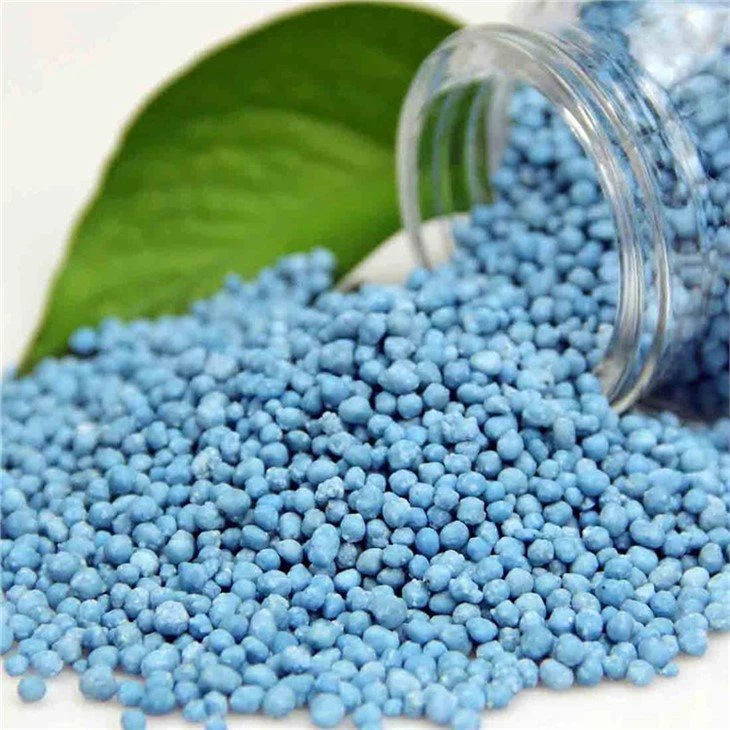

If you're still not sure which NPK ratio is best for your specific flowers, don't hesitate to reach out. We're here to help you make the right choice. Our team of experts can provide you with personalized advice based on your flower types, soil conditions, and gardening goals. We offer a wide range of high - quality NPK fertilizers that are sure to meet your needs. So, if you're looking to take your flower garden to the next level, get in touch with us for a friendly chat about your fertilization needs. Let's work together to make your flower garden a blooming success!
References:
- "The Flower Gardener's Bible" by Lewis Hill
- "Rodale's All - New Encyclopedia of Organic Gardening"