

Hey there! As a supplier of Monoammonium Phosphate (MAP), I've gotten tons of questions about what this stuff does in food products. So, I thought I'd break it down for you in this blog post.
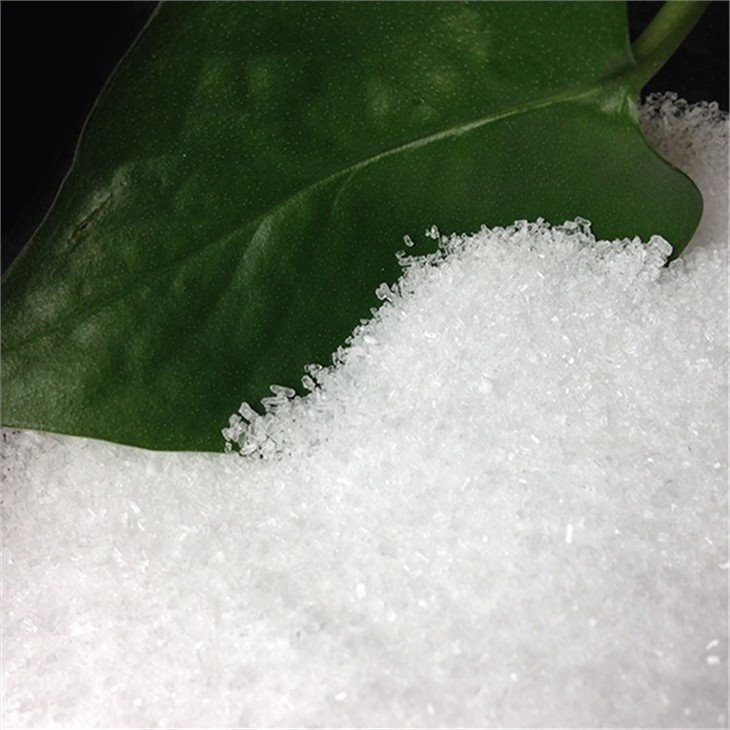
First off, let's talk a little about what Monoammonium Phosphate is. It's a chemical compound with the formula NH₄H₂PO₄. It's a white, crystalline powder that's soluble in water. You can find two main types of it: MAP Mono Ammonium Phosphate Agricultural grade which, as the name implies, is mainly used in agriculture, and Monoammonium Phosphate Tech Grade (TMAP) Water Soluble that has a lot of industrial applications, including in the food industry.
Functions in Food Products
1. Leavening Agent
One of the most common uses of Monoammonium Phosphate in food is as a leavening agent in baking. When you're making bread, cakes, or other baked goods, you want them to rise and be light and fluffy. That's where MAP comes in. It reacts with other ingredients, especially bases like baking soda (sodium bicarbonate), in the presence of heat during the baking process. This reaction produces carbon dioxide gas. The gas gets trapped in the batter or dough, causing it to expand and rise. For example, in a cake mix, a small amount of Monoammonium Phosphate can make a big difference in the final texture. It helps the cake have a nice, even crumb and a good volume. Instead of a dense, flat cake, you get a delicious, fluffy one.

2. pH Regulator
Maintaining the right pH level in food is crucial for a whole bunch of reasons. Monoammonium Phosphate can act as a pH buffer. It can help keep the acidity or alkalinity of a food product stable. In some processed foods, like certain meat products or dairy items, the right pH can affect the taste, texture, and shelf - life. For instance, in processed cheese, the acidity level affects how it melts, its flavor intensity, and how well it resists spoilage. By adding a small amount of MAP, manufacturers can fine - tune the pH to ensure that the cheese has the desired properties. It can also prevent the growth of certain bacteria and fungi that might not thrive in the regulated pH environment.
3. Nutrient Source
Phosphorus is an essential nutrient for our bodies. It plays a vital role in various physiological processes, such as bone and teeth formation, energy metabolism, and cell repair. When Monoammonium Phosphate is used in food, it can act as a source of phosphorus. This is especially important in some fortified foods. For example, in breakfast cereals, adding Monoammonium Phosphate can increase the phosphorus content, making the cereal a more nutritious option. It provides an easily absorbed form of phosphorus that our bodies can use effectively.
4. Emulsifier and Stabilizer
In some food products, like salad dressings or mayonnaise, you want the oil and water components to stay mixed together and not separate. Monoammonium Phosphate can act as an emulsifier and stabilizer in these cases. It helps to reduce the surface tension between the oil and water molecules, allowing them to form a more stable mixture. This results in a smooth, consistent texture in the final product. Without it, the dressing might separate into layers of oil and water, which isn't very appealing to consumers.
Safety Considerations
Now, you might be wondering if it's safe to have Monoammonium Phosphate in your food. The good news is that it's generally recognized as safe (GRAS) by the relevant food safety authorities when used within the approved limits. These limits are set based on extensive research to ensure that there are no adverse health effects. However, as with any food additive, it's important to use it properly. Manufacturers are required to follow strict regulations regarding the amount of MAP they can add to different food products.
Our Supply
As a supplier of Monoammonium Phosphate, we take pride in providing high - quality products to the food industry. Our Monoammonium Phosphate Tech Grade (TMAP) Water Soluble is carefully produced to meet the strictest quality standards. We understand the importance of consistency in the food manufacturing process, and our product ensures that you get reliable results every time.
Whether you're a small - scale bakery looking to make the perfect loaf of bread or a large - scale food manufacturer producing a wide range of products, our Monoammonium Phosphate can be the key ingredient you need to enhance the quality of your food.
Why Choose Us
- Quality Assurance: We have a rigorous quality control system in place. Every batch of our Monoammonium Phosphate is tested to ensure it meets the required specifications.
- Reliable Supply: We have the capacity to meet your demand, no matter how large or small. Our efficient production and supply chain ensure that you get your order on time.
- Technical Support: Our team of experts is always ready to help you. If you have any questions about using Monoammonium Phosphate in your food products, we can provide you with the technical advice you need.
Let's Connect
If you're interested in purchasing Monoammonium Phosphate for your food products, we'd love to hear from you. Whether you want to discuss your specific requirements, get a quote, or just learn more about our product, don't hesitate to reach out. We're here to help you take your food products to the next level.
References
- Food and Agriculture Organization of the United Nations. "Food Additives and Contaminants."
- U.S. Food and Drug Administration. "Generally Recognized as Safe (GRAS)."
- Textbooks on Food Chemistry and Food Technology for information on food additives and their functions.