

Hey there! As a potassium sulphate supplier, I often get asked about the thermal stability of potassium sulphate. So, let's dive right into it and break down what this means, why it matters, and how it affects our products like Potassium Sulphate Powder, Potassium Sulphate Granular, and Potassium Sulphate Water Soluble Fertilizer.
What is Thermal Stability?
First off, let's talk about what thermal stability actually is. In simple terms, thermal stability refers to a substance's ability to resist decomposition or chemical change when exposed to heat. For potassium sulphate (K₂SO₄), this is super important because it's used in a bunch of different industries where high temperatures might be involved.
Potassium sulphate is an ionic compound made up of potassium ions (K⁺) and sulphate ions (SO₄²⁻). These ions are held together by strong ionic bonds. The strength of these bonds gives potassium sulphate its relatively high thermal stability.
The Science Behind Potassium Sulphate's Thermal Stability
When we heat potassium sulphate, we're essentially adding energy to the system. But because of those strong ionic bonds, it takes a whole lot of energy to break them apart. Potassium sulphate doesn't start to decompose until it reaches extremely high temperatures.
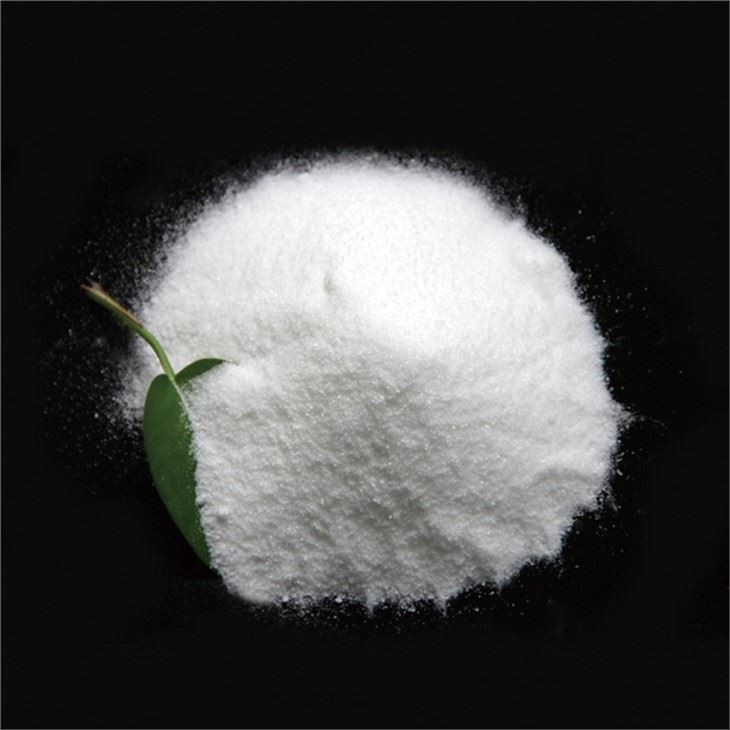
Under normal conditions, potassium sulphate is a white crystalline solid that's pretty stable. It can withstand temperatures up to around 1069°C (1956°F) before it starts to melt. And even at this high temperature, it doesn't break down into its constituent elements right away. It just changes from a solid to a liquid state.
If we keep heating it even further, above its melting point, it might start to undergo some chemical reactions. But these reactions usually require very specific conditions and extremely high temperatures. For example, if we heat it in the presence of a reducing agent, it might react to form other compounds. But in most real - world scenarios, we don't see these extreme conditions.
Why Thermal Stability Matters for Our Products
In Agriculture
One of the biggest markets for potassium sulphate is in agriculture, where it's used as a fertilizer. Our Potassium Sulphate Water Soluble Fertilizer is a popular choice among farmers. When fertilizers are applied to the soil, they might be exposed to sunlight and heat. The thermal stability of potassium sulphate ensures that it doesn't break down easily in the soil, so the plants can absorb the potassium and sulphur they need over time.
Also, during the manufacturing process of fertilizers, sometimes heat is used to dry or granulate the product. The high thermal stability of potassium sulphate allows it to withstand these manufacturing processes without losing its effectiveness.
In Industrial Applications
Potassium sulphate is also used in various industrial applications. For example, it's used in the glass industry. When making glass, high temperatures are involved in the melting and forming processes. Our Potassium Sulphate Powder can be added to the glass mixture because it can handle the high temperatures in the glass furnace without decomposing. This helps in adjusting the properties of the glass, like its refractive index and thermal expansion.
In the ceramic industry, it's used as a fluxing agent. A flux helps lower the melting point of other materials in the ceramic mixture. The thermal stability of potassium sulphate ensures that it remains stable during the firing process, which can reach temperatures of several hundred degrees Celsius.
In Chemical Processes
In some chemical reactions, potassium sulphate is used as a reactant or a catalyst support. Its thermal stability is crucial because it allows these reactions to take place at elevated temperatures without the potassium sulphate itself being consumed or changed in an unwanted way.
Comparing Different Forms of Potassium Sulphate
We offer different forms of potassium sulphate, like Potassium Sulphate Powder and Potassium Sulphate Granular. While the chemical composition and thermal stability of the two are essentially the same, their physical forms can affect how they perform in different applications.
The powder form has a larger surface area compared to the granular form. This means that in some cases, it might react a bit faster when exposed to heat because there's more surface available for heat transfer. However, the overall thermal stability of the compound remains the same. The granular form, on the other hand, might be more convenient for handling and storage, and it can still withstand high temperatures just as well as the powder form.
Factors That Can Affect Potassium Sulphate's Thermal Stability
Although potassium sulphate is generally thermally stable, there are some factors that can potentially affect its stability.
Impurities
If there are impurities in the potassium sulphate, they can act as catalysts or react with the potassium sulphate at lower temperatures. For example, if there are traces of metals or other reactive compounds, they might initiate chemical reactions that could lead to the decomposition of potassium sulphate at lower temperatures than normal. That's why we take great care to ensure that our products are as pure as possible.
Presence of Other Substances
When potassium sulphate is mixed with other substances, it can interact with them. For instance, if it's mixed with a strong reducing agent and heated, it might react more readily. In some industrial processes, these interactions need to be carefully controlled to maintain the thermal stability of potassium sulphate.
Applications in High - Temperature Environments
As I mentioned earlier, potassium sulphate's thermal stability makes it suitable for use in high - temperature environments. In the metal industry, it can be used as a flux in the smelting of certain metals. The high temperatures in the smelting process won't cause the potassium sulphate to break down, and it can help in removing impurities from the metal.
In the production of fireworks, potassium sulphate can be used as an oxidizing agent. The heat generated during the ignition of fireworks is very high, but potassium sulphate can withstand it without decomposing prematurely, ensuring a proper and safe explosion.

Conclusion
So, in a nutshell, potassium sulphate's thermal stability is a key feature that makes it such a versatile and valuable compound. Whether it's used in agriculture, industry, or other applications, its ability to resist decomposition at high temperatures is a huge advantage.
As a supplier, we're committed to providing high - quality potassium sulphate products that meet the needs of our customers. Our Potassium Sulphate Powder, Potassium Sulphate Granular, and Potassium Sulphate Water Soluble Fertilizer are all formulated to have excellent thermal stability.
If you're in the market for potassium sulphate for your business, we'd love to talk to you. Whether you need it for agricultural purposes, industrial applications, or something else, we can provide you with the right product at the right price. Reach out to us to start a procurement discussion and see how we can meet your potassium sulphate needs.
References
- Atkins, P., & de Paula, J. (2014). Physical Chemistry for the Life Sciences. Oxford University Press.
- Housecroft, C. E., & Sharpe, A. G. (2012). Inorganic Chemistry. Pearson.
- Lide, D. R. (Ed.). (2004). CRC Handbook of Chemistry and Physics. CRC Press.