

Can Ammonium Sulphate be used in detergent formulations?
Hey there! I'm an ammonium sulphate supplier, and I get this question a lot. Can ammonium sulphate really be used in detergent formulations? Well, let's dig into it.
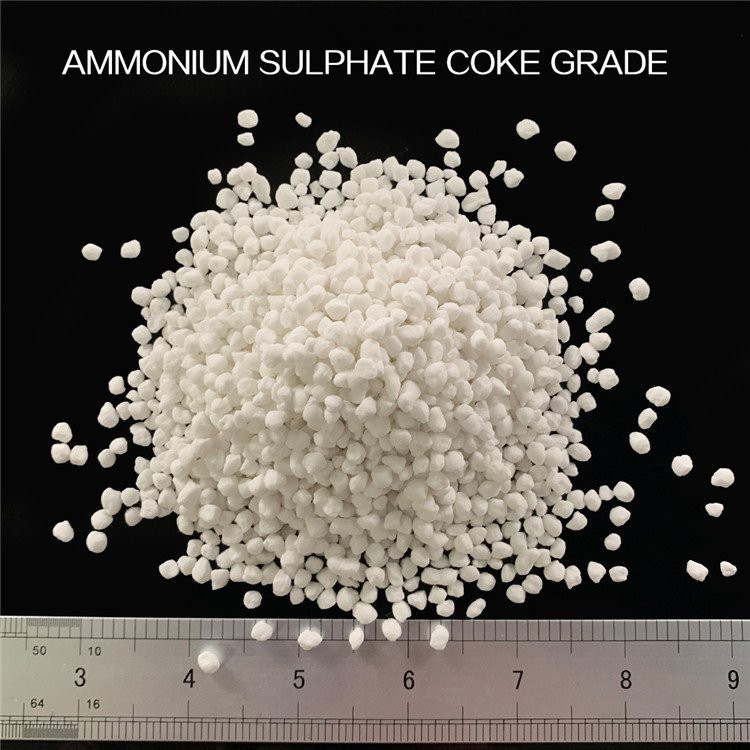
First off, what is ammonium sulphate? It's a white crystal - like salt with the chemical formula (NH₄)₂SO₄. There are different grades of ammonium sulphate that we offer, like Ammonium Sulphate Steel Grade, Crystalline Ammonium Sulfate, and Ammonium Sulphate Coke Grade. Each grade has its own unique properties and uses, but for the purpose of detergent formulations, we need to look at the general characteristics.
One of the key things in detergents is their ability to clean. Detergents work by reducing the surface tension of water, allowing it to spread and penetrate fabrics or surfaces more easily. They also help in suspending and removing dirt and grease. So, can ammonium sulphate play a role here?
Ammonium sulphate is highly soluble in water. This is a big plus in detergent making. When it dissolves, it can help in the overall dissolution of other detergent ingredients. It can also act as a builder in some cases. Builders in detergents are substances that enhance the cleaning power by softening the water. Hard water contains minerals like calcium and magnesium ions, and these can react with soap or detergent and form a scum, reducing their cleaning efficiency. Ammonium sulphate can help in sequestering these ions to some extent, making the water "softer" and allowing the detergent to work better.

Another aspect is its cost - effectiveness. As a supplier, I know that cost is a major factor for detergent manufacturers. Ammonium sulphate is relatively inexpensive compared to some other detergent additives. This means that adding it to detergent formulations can potentially lower the production cost without sacrificing too much on the cleaning performance.
However, it's not all sunshine and rainbows. There are some limitations when using ammonium sulphate in detergents. For example, it doesn't have the same kind of powerful surfactant properties as some of the dedicated detergent surfactants. Surfactants are the main chemicals in detergents that are responsible for the actual cleaning action by disrupting the surface tension at the interface between water and dirt. Ammonium sulphate can't replace surfactants completely, but it can be used as a supplementary ingredient.
In terms of compatibility, ammonium sulphate may not be compatible with all detergent components. Some chemicals may react with ammonium sulphate, leading to precipitation or changes in the physical and chemical properties of the detergent. For instance, if there are certain alkaline substances in the detergent formulation, ammonium sulphate may react with them to produce ammonia gas. This not only causes a loss of the ammonium sulphate but also creates an unpleasant smell and potential safety hazards.
Let's also talk about the environmental considerations. Ammonium sulphate is generally considered to be less harmful to the environment compared to some other chemical additives. It can be broken down by natural processes to a certain extent. However, if large amounts of ammonium sulphate - containing detergents are released into water bodies, it can contribute to eutrophication. Eutrophication is when excessive nutrients, like nitrogen (which ammonium sulphate contains), cause an overgrowth of algae and other aquatic plants. This can disrupt the balance of the ecosystem and lead to problems like oxygen depletion in the water.
So, in conclusion, ammonium sulphate can be used in detergent formulations, but it has its pros and cons. It can be a cost - effective and water - softening additive, but it can't replace surfactants. And, careful consideration needs to be given to its compatibility with other components and its environmental impact.
If you're in the detergent - manufacturing business and want to explore the possibility of using ammonium sulphate in your formulations, I'd love to have a chat with you. We can discuss which grade would be the most suitable for your needs and work out the best way to incorporate it into your products. Don't hesitate to reach out to start a procurement discussion.
References
- "Chemistry of Detergents" - A general chemistry textbook on detergent components and their functions.
- "Environmental Impact of Chemical Additives in Consumer Products" - Research publication discussing the environmental effects of various chemical additives, including ammonium sulphate.