

Hey there! As a supplier of Monoammonium Phosphate (MAP), I often get asked if it can be used for all types of soil. Well, let's dive right into this topic and find out.
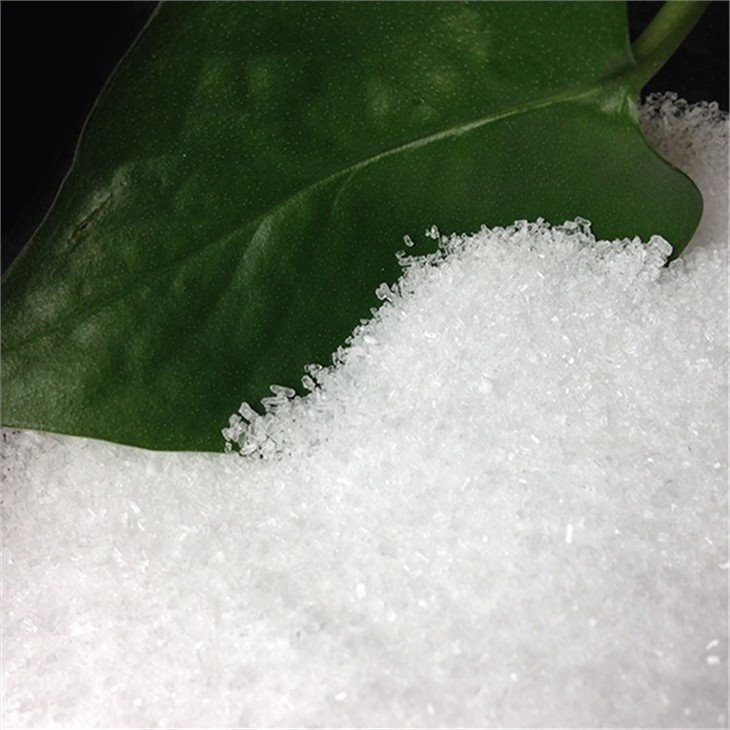
First off, what's Monoammonium Phosphate? It's a widely - used fertilizer that contains both nitrogen and phosphorus, two essential nutrients for plant growth. There are two main types that we offer: Monoammonium Phosphate Tech Grade (TMAP) Water Soluble and MAP Mono Ammonium Phosphate Agricultural grade. The tech - grade one is highly water - soluble and often used in more industrial or high - precision applications, while the agricultural grade is designed specifically for the fields.
Now, let's talk about different soil types. There are generally three main types of soil: sandy, clayey, and loamy.
Sandy soil is well - drained but has a low ability to hold nutrients and water. MAP can be a great choice for sandy soil. The nitrogen in MAP is quickly available to plants, which is beneficial as sandy soil tends to lose nutrients rapidly through leaching. The phosphorus helps in root development, which is crucial for plants to access water deeper in the soil. When we apply MAP to sandy soil, we can see an improvement in plant growth quite quickly. The water - soluble nature of MAP also allows it to move through the sandy particles and reach the plant roots easily.
Clayey soil, on the other hand, has a high water - holding capacity but poor drainage. It can be a bit tricky to work with. MAP can still be used, but we need to be careful. The high clay content can cause the soil to become compacted, and if we apply too much MAP, it might lead to a build - up of nutrients. However, the slow - release properties of the phosphorus in MAP can be an advantage here. It can provide a steady supply of nutrients over time, reducing the risk of over - fertilization. Also, the nitrogen in MAP can help in improving the soil structure to some extent by promoting microbial activity.
Loamy soil is considered the ideal soil type as it has a good balance of sand, clay, and organic matter. It has excellent drainage and nutrient - holding capacity. MAP is a perfect fit for loamy soil. The nutrients in MAP can be absorbed efficiently by the plants, and the soil can store the excess nutrients for later use. This means that we can achieve optimal plant growth with a relatively small amount of MAP application.
But it's not all rosy. There are some soil conditions where MAP might not be the best option.
Acidic soil is one such case. MAP is slightly acidic in nature. If the soil is already highly acidic, adding more MAP can further lower the soil pH. This can be harmful to many plants as they prefer a more neutral pH environment. In such cases, we might need to add lime to the soil to raise the pH before applying MAP.
Alkaline soil also poses a problem. In alkaline soil, the phosphorus in MAP can react with calcium and other minerals to form insoluble compounds. This means that the plants won't be able to access the phosphorus effectively. We might need to use a different type of fertilizer or treat the soil to make it more suitable for MAP application.
Saline soil is another challenge. High salt content in the soil can already stress the plants. Applying MAP can increase the salt concentration in the soil solution, which can further damage the plants. In saline soil, we need to be very cautious when using MAP and might need to use it in combination with other soil - improving agents.
In addition to soil type and pH, we also need to consider the type of plants we are growing. Some plants have very specific nutrient requirements. For example, legumes can fix nitrogen from the atmosphere, so they might not need as much nitrogen from MAP. On the other hand, root vegetables like carrots and potatoes need a lot of phosphorus for proper root development, and MAP can be a great source of this nutrient.
So, can Monoammonium Phosphate be used for all types of soil? The answer is no. While it's a versatile fertilizer that can work well in many soil types, there are certain soil conditions where it might not be the best choice. However, with proper soil testing and management, we can make the most of MAP in different soil scenarios.

If you're a farmer, gardener, or involved in any agricultural or horticultural activities, and you're interested in using MAP for your soil, I'd love to have a chat with you. We can discuss your specific soil conditions, the types of plants you're growing, and figure out the best way to use our Monoammonium Phosphate products. Whether it's the Monoammonium Phosphate Tech Grade (TMAP) Water Soluble or the MAP Mono Ammonium Phosphate Agricultural grade, we have the right product for you. Just reach out, and let's start a conversation about how we can boost your plant growth and soil health together.
References
- Brady, N. C., & Weil, R. R. (2008). The nature and properties of soils. Pearson Prentice Hall.
- Mengel, K., & Kirkby, E. A. (2001). Principles of plant nutrition. Kluwer Academic Publishers.