

Hey there! I'm a supplier of Potassium Sulphate, and I often get asked if this compound can be used in the ceramic industry. Today, I'm gonna dig deep into this topic and share everything I've learned.
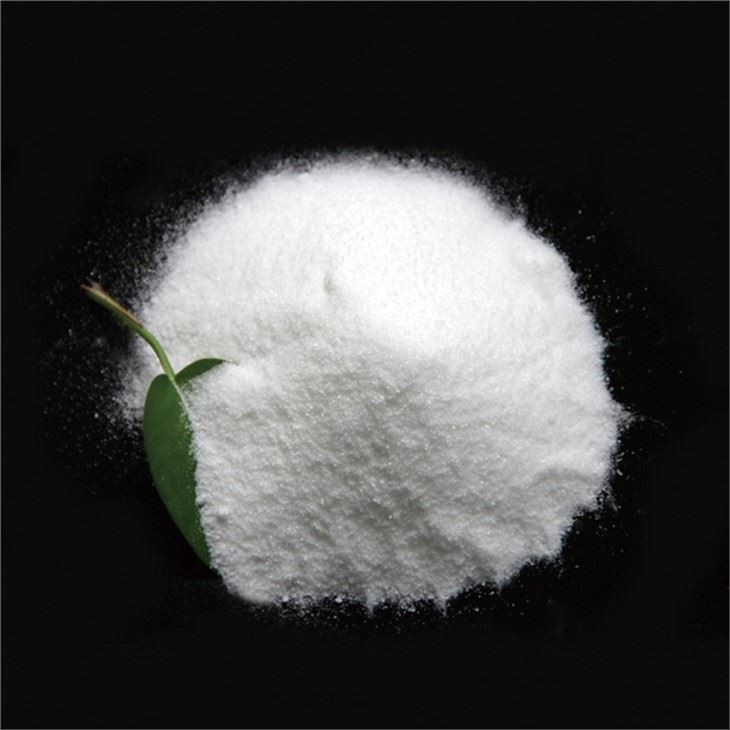
First off, let's talk a bit about Potassium Sulphate itself. It's a white, water - soluble salt with the chemical formula K₂SO₄. We offer it in different forms, like Potassium Sulphate Granular, Potassium Sulphate Powder, and Potassium Sulphate Water Soluble Fertilizer. While it's well - known in the agricultural sector as a fertilizer, its potential in the ceramic industry is also quite interesting.
Properties of Potassium Sulphate Relevant to Ceramics
One of the key properties of Potassium Sulphate is its high melting point. It melts at around 1069 °C. In the ceramic firing process, this high melting point can be an advantage. When added to ceramic glazes or bodies, it can withstand the high temperatures without decomposing easily. This stability helps in maintaining the integrity of the ceramic product during firing.
Potassium Sulphate is also a good fluxing agent. A flux is a substance that lowers the melting point of a mixture. In ceramics, fluxes are used to make the glaze melt and flow more evenly over the ceramic surface. When Potassium Sulphate is added to a glaze, it can help reduce the viscosity of the molten glaze, allowing it to spread smoothly and form a uniform coating. This results in a more professional - looking finish on the ceramic piece.
Another important aspect is its chemical reactivity. Potassium Sulphate is relatively inert under normal ceramic processing conditions. It doesn't react violently with other common ceramic materials like clay, feldspar, or quartz. This non - reactivity means that it can be safely added to ceramic formulations without causing unexpected chemical reactions that could ruin the final product.
Applications in the Ceramic Industry
Glaze Formulation
In glaze making, Potassium Sulphate can play a crucial role. As I mentioned earlier, it acts as a flux. By adjusting the amount of Potassium Sulphate in a glaze recipe, ceramic artists and manufacturers can control the melting behavior of the glaze. For example, a higher percentage of Potassium Sulphate will make the glaze melt at a lower temperature and flow more freely. This can be useful for creating certain decorative effects, like smooth, glossy finishes or drippy, organic - looking glazes.
It also affects the surface tension of the glaze. A proper balance of Potassium Sulphate can help reduce surface tension, preventing the glaze from forming pinholes or crawling during the firing process. Pinholes are small holes in the glaze surface, and crawling is when the glaze pulls away from the ceramic body, leaving bare spots. By using Potassium Sulphate, these common glaze defects can be minimized.
Body Modification
Potassium Sulphate can also be added to the ceramic body itself. When incorporated into the clay mixture, it can improve the mechanical properties of the ceramic. It can increase the strength and durability of the fired ceramic piece. This is especially important for functional ceramics like tableware or tiles, which need to withstand daily use and wear.
In addition, it can influence the shrinkage rate of the ceramic body during drying and firing. By adding Potassium Sulphate, the shrinkage can be more controlled, reducing the risk of cracking or warping. This is a major concern in ceramic production, as cracked or warped pieces are often considered defective and cannot be sold.
Advantages of Using Potassium Sulphate in Ceramics
Cost - Effectiveness
Compared to some other specialty ceramic additives, Potassium Sulphate is relatively inexpensive. This makes it an attractive option for ceramic manufacturers looking to improve their products without significantly increasing production costs. It offers a good balance between performance and cost, which is always a plus in any industry.
Environmental Friendliness
Potassium Sulphate is a natural and non - toxic compound. It doesn't release harmful chemicals into the environment during the ceramic manufacturing process. This is in line with the growing trend towards more sustainable and eco - friendly production methods in the ceramic industry. Using Potassium Sulphate can help ceramic companies meet environmental regulations and appeal to environmentally - conscious consumers.

Potential Challenges
Of course, using Potassium Sulphate in the ceramic industry isn't without its challenges. One issue is the solubility of Potassium Sulphate. If it's not properly incorporated into the ceramic mixture, it can dissolve in water during the wet processing stages, such as when mixing the clay or applying the glaze. This can lead to uneven distribution of the compound in the final product, resulting in inconsistent properties.
Another challenge is the potential for sulfur emissions during firing. Although Potassium Sulphate is relatively stable, at very high temperatures, there is a small possibility of sulfur being released as sulfur dioxide gas. This can be a concern for both the environment and the health of workers in the ceramic factory. However, with proper ventilation and temperature control, this issue can be managed effectively.
Conclusion
So, can Potassium Sulphate be used in the ceramic industry? Absolutely! Its unique properties make it a valuable addition to both ceramic glazes and bodies. It offers benefits like improved glaze flow, enhanced mechanical properties of the ceramic body, cost - effectiveness, and environmental friendliness.
If you're in the ceramic industry and looking for a reliable Potassium Sulphate supplier, I'd love to talk to you. Whether you're a small - scale ceramic artist or a large - scale manufacturer, our high - quality Potassium Sulphate products can meet your needs. Reach out to us to discuss your specific requirements and let's see how we can work together to improve your ceramic production.
References
- "Ceramic Glaze Technology" by David Finkelnburg
- "The Chemistry of Ceramics" by John A. Pask