

Potassium sulfate (K₂SO₄), also known as sulfate of potash (SOP), is a significant chemical compound with a wide range of applications, particularly in the agricultural sector. As a supplier of potassium sulfate, I am often asked whether potassium sulfate can be used in fertilizers. In this blog post, I will delve into the properties of potassium sulfate, its advantages and disadvantages in fertilizer use, and its market demand, aiming to provide a comprehensive understanding of its role in the fertilizer industry.
Properties of Potassium Sulfate
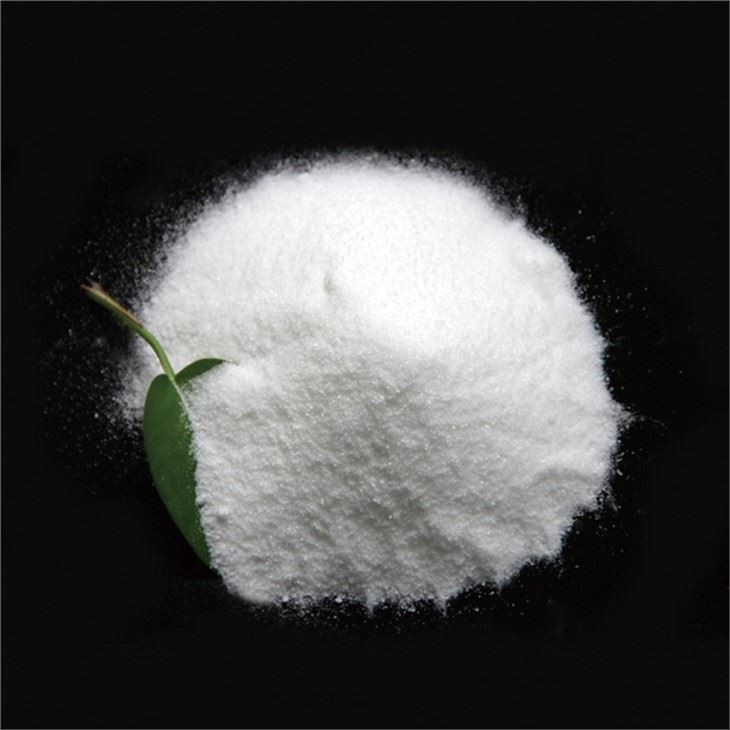
Potassium sulfate is a white crystalline salt composed of potassium, sulfur, and oxygen. It has a high solubility in water, which allows for easy incorporation into various fertilizer formulations. The chemical formula indicates that it contains approximately 50 - 52% potassium (K₂O equivalent) and 17 - 18% sulfur. These two elements are essential nutrients for plant growth and development.
Potassium is a macronutrient that plays a crucial role in many physiological processes within plants. It is involved in enzyme activation, osmoregulation, photosynthesis, and the transport of sugars and nutrients. Adequate potassium levels in plants enhance their resistance to diseases, drought, and other environmental stresses. Sulfur, on the other hand, is a secondary nutrient that is necessary for the synthesis of proteins, vitamins, and enzymes. It also contributes to the overall quality of crops, such as improving the flavor and color of fruits and vegetables.
Advantages of Using Potassium Sulfate in Fertilizers
1. Suitable for Chloride - Sensitive Crops
One of the most significant advantages of potassium sulfate as a fertilizer is its low chloride content. Some crops, such as tobacco, potatoes, grapes, citrus fruits, and certain vegetables, are sensitive to chloride. Excessive chloride in the soil can reduce the quality and yield of these crops. Potassium sulfate provides a source of potassium without the negative effects associated with chloride, making it an ideal choice for chloride - sensitive plants. For example, in grapevine cultivation, using potassium sulfate can improve the sugar content and flavor of grapes, resulting in higher - quality wines.
2. Balanced Nutrient Supply
As mentioned earlier, potassium sulfate contains both potassium and sulfur. This dual - nutrient supply can meet the nutritional needs of plants more comprehensively compared to single - nutrient fertilizers. In many soils, sulfur deficiency is a common problem, especially in areas with intensive agriculture and low - sulfur deposition from the atmosphere. By using potassium sulfate, farmers can address both potassium and sulfur deficiencies simultaneously, promoting healthy plant growth and development.
3. Soil Compatibility
Potassium sulfate is relatively neutral in terms of soil pH. It does not cause significant acidification or alkalization of the soil, which is beneficial for maintaining a stable soil environment. This property makes it suitable for use in a wide range of soil types, from acidic to alkaline soils. In addition, the sulfate ions in potassium sulfate can help to improve soil structure by promoting the aggregation of soil particles, enhancing soil permeability and water - holding capacity.
4. High - Quality Crop Production
The use of potassium sulfate in fertilizers can lead to improved crop quality. Potassium enhances the firmness, color, and shelf - life of fruits and vegetables. It also increases the protein content in grains and the oil content in oilseeds. Sulfur, on the other hand, contributes to the formation of essential amino acids and vitamins, which are important for human health. Therefore, crops fertilized with potassium sulfate are often more marketable and nutritious.
Disadvantages of Using Potassium Sulfate in Fertilizers
1. Higher Cost
Compared to other potassium fertilizers, such as potassium chloride (muriate of potash, MOP), potassium sulfate is generally more expensive. The production process of potassium sulfate is more complex and energy - intensive, which drives up its cost. This higher cost may limit its widespread use, especially in regions where farmers have limited financial resources or where the price difference between potassium sulfate and potassium chloride is significant.
2. Lower Potassium Content per Unit
Potassium sulfate has a lower potassium content (K₂O equivalent) compared to potassium chloride. Potassium chloride typically contains about 60 - 62% K₂O, while potassium sulfate contains only 50 - 52% K₂O. This means that farmers need to apply a larger amount of potassium sulfate to achieve the same level of potassium supply as potassium chloride. This can increase the cost of fertilization in terms of both material and application.
Market Demand for Potassium Sulfate in Fertilizers
The market demand for potassium sulfate in the fertilizer industry has been steadily increasing in recent years. The growing awareness of the importance of balanced nutrition for crops and the increasing demand for high - quality agricultural products are the main driving forces behind this trend. In addition, the expansion of chloride - sensitive crop cultivation, such as in the horticultural and specialty crop sectors, has further boosted the demand for potassium sulfate.
According to market research reports, the global potassium sulfate market is expected to continue to grow in the coming years. The Asia - Pacific region, especially China and India, is the largest consumer of potassium sulfate due to its large agricultural sector and increasing demand for high - quality crops. North America and Europe also have a significant demand for potassium sulfate, mainly driven by the horticultural and organic farming industries.
Our Potassium Sulfate Products
As a supplier of potassium sulfate, we offer a variety of high - quality potassium sulfate products to meet the different needs of our customers. Our Potassium Sulphate Water Soluble Fertilizer is suitable for fertigation systems, allowing for precise nutrient delivery to plants. It dissolves quickly in water, ensuring efficient nutrient uptake by crops.
Our Potassium Sulphate Granular product is ideal for broadcast application. The granules are uniform in size and have good physical properties, making them easy to handle and spread evenly in the field.
We also provide Potassium Sulphate Powder, which can be used in the formulation of various compound fertilizers or for direct application in small - scale farming. The powder form has a high surface area, facilitating rapid dissolution and nutrient release.
Conclusion
In conclusion, potassium sulfate can indeed be used in fertilizers, and it offers several advantages, especially for chloride - sensitive crops and for providing a balanced nutrient supply. Although it has some disadvantages, such as higher cost and lower potassium content per unit, the benefits often outweigh the drawbacks, especially in terms of crop quality and long - term soil health.
As a reliable potassium sulfate supplier, we are committed to providing high - quality products and excellent customer service. If you are interested in our potassium sulfate products or have any questions about their use in fertilizers, please feel free to contact us for further information and to discuss your procurement needs. We look forward to establishing a long - term partnership with you.

References
- Brady, N. C., & Weil, R. R. (2008). The Nature and Properties of Soils. Pearson Prentice Hall.
- Marschner, H. (2012). Mineral Nutrition of Higher Plants. Academic Press.
- FAO. (2023). The State of Food and Agriculture. Food and Agriculture Organization of the United Nations.