

Ammonium sulphate, a widely used chemical compound, has a significant role in various industries, especially in agriculture and chemical manufacturing. As a leading supplier of ammonium sulphate, we often receive inquiries about how it interacts with pesticides. In this blog, we will explore the complex relationship between ammonium sulphate and pesticides, shedding light on the scientific mechanisms and practical implications.
Chemical Properties of Ammonium Sulphate
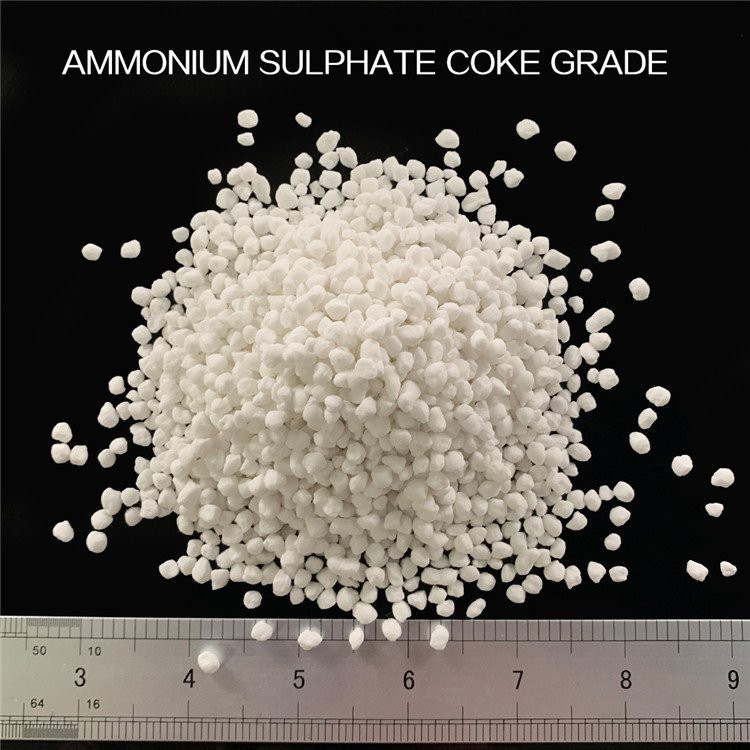
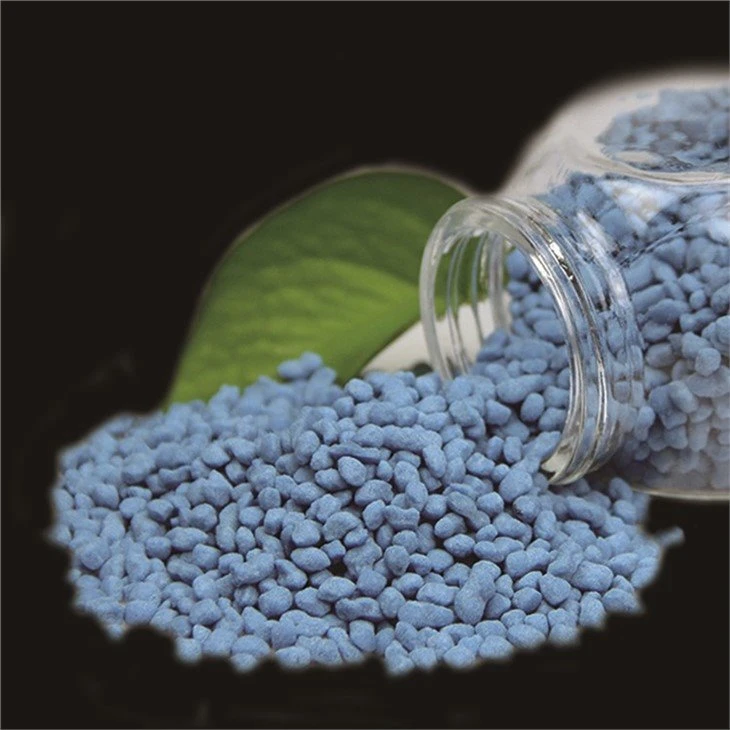
Ammonium sulphate, with the chemical formula (NH₄)₂SO₄, is a white crystalline salt that is highly soluble in water. It is commonly produced as a by - product in various industrial processes, such as the production of caprolactam and in the coking industry. Our company offers different grades of ammonium sulphate, including Ammonium Sulphate Coke Grade, Ammonium Sulphate Steel Grade, and Crystalline Ammonium Sulfate.
The compound dissociates in water to release ammonium (NH₄⁺) and sulphate (SO₄²⁻) ions. These ions can have several effects on the physical and chemical properties of the solution, which in turn can influence the performance of pesticides.
Interaction Mechanisms with Pesticides
1. pH Adjustment
One of the primary ways ammonium sulphate interacts with pesticides is through pH adjustment. When ammonium sulphate dissolves in water, it can lower the pH of the solution due to the hydrolysis of ammonium ions:
NH₄⁺ + H₂O ⇌ NH₃·H₂O+ H⁺
Many pesticides have different solubilities and stabilities at different pH values. For example, some herbicides are more effective in slightly acidic conditions. By adding ammonium sulphate to the pesticide solution, the pH can be adjusted to an optimal range, enhancing the solubility and efficacy of the pesticide. This can lead to better coverage on plant surfaces and improved penetration into the target pests or weeds.
2. Ion Exchange and Compatibility
The ammonium and sulphate ions in ammonium sulphate can participate in ion - exchange reactions with pesticides. Some pesticides exist as ionic compounds in solution. The presence of ammonium and sulphate ions can compete with the pesticide ions for binding sites on plant surfaces or in the soil. This can either enhance or reduce the adsorption of pesticides, depending on the nature of the pesticide and the target surface.
In addition, ammonium sulphate can improve the compatibility of some pesticides with hard water. Hard water contains high levels of calcium (Ca²⁺) and magnesium (Mg²⁺) ions, which can react with certain pesticides to form insoluble precipitates, reducing their effectiveness. The ammonium ions in ammonium sulphate can displace the calcium and magnesium ions, preventing the formation of precipitates and maintaining the stability of the pesticide solution.
3. Enhancement of Uptake
Ammonium sulphate can also enhance the uptake of pesticides by plants. The ammonium ions can act as a nitrogen source for plants, promoting plant growth and metabolism. This can increase the permeability of plant cell membranes, allowing pesticides to enter the plant more easily. Moreover, the improved plant health due to the nitrogen supply can make the plants more resistant to pests and diseases, working in synergy with the pesticides.
Practical Applications in Agriculture
1. Herbicide Applications
In herbicide applications, ammonium sulphate is often used to improve the performance of glyphosate - based herbicides. Glyphosate is a widely used non - selective herbicide, but its effectiveness can be reduced in hard water or in the presence of certain soil minerals. By adding ammonium sulphate to the glyphosate solution, the pH can be adjusted, and the compatibility with hard water can be improved. This results in better weed control, as the herbicide can be more effectively absorbed by the weeds.
2. Insecticide and Fungicide Applications
For insecticides and fungicides, ammonium sulphate can also play a role in enhancing their performance. By adjusting the pH and improving the solubility of these pesticides, they can be more evenly distributed on plant surfaces and have better contact with the target pests or fungi. This can lead to more effective pest and disease control, reducing crop losses.
Case Studies
Case 1: Glyphosate and Ammonium Sulphate
A field trial was conducted on a large - scale soybean farm. Two treatment groups were set up: one group used glyphosate alone, and the other group used glyphosate mixed with ammonium sulphate. The results showed that the group using the mixture had significantly better weed control. The weeds in this group showed more rapid wilting and death, and the overall weed density was much lower compared to the group using glyphosate alone.
Case 2: Insecticide and Ammonium Sulphate
In an apple orchard, an insecticide was applied with and without ammonium sulphate. The treatment with ammonium sulphate showed a higher level of insect control. The number of pests on the apple trees was reduced, and the quality of the apples was improved, with fewer insect - damaged fruits.
Considerations and Precautions
While ammonium sulphate can have many benefits when used with pesticides, there are also some considerations and precautions.
1. Dosage
The dosage of ammonium sulphate needs to be carefully controlled. Excessive use of ammonium sulphate can lead to over - acidification of the soil or the pesticide solution, which can have negative effects on plant growth and the environment. It can also cause salt stress to plants, especially in arid or semi - arid regions.
2. Compatibility Testing
Before mixing ammonium sulphate with a new pesticide, compatibility testing should be conducted. Some pesticides may react with ammonium sulphate in an unexpected way, leading to reduced efficacy or even the formation of toxic by - products.
3. Environmental Impact
Although ammonium sulphate is a relatively common and widely used chemical, its overuse can contribute to environmental problems such as water pollution. The runoff of ammonium - containing solutions can cause eutrophication in water bodies, leading to excessive growth of algae and other aquatic plants.
Conclusion
In conclusion, ammonium sulphate has a complex and multi - faceted interaction with pesticides. Through pH adjustment, ion exchange, and enhancement of uptake, it can significantly improve the performance of pesticides in agriculture. However, proper use and careful consideration of dosage, compatibility, and environmental impact are essential.
As a reliable supplier of ammonium sulphate, we are committed to providing high - quality products and technical support to our customers. If you are interested in learning more about how ammonium sulphate can be used in combination with pesticides or if you are looking to purchase our products, please feel free to contact us for further discussion and procurement negotiation.
References
- Tomlin, C. D. S. (Ed.). (2009). The Pesticide Manual: A World Compendium. British Crop Protection Council.
- Nalewaja, J. D., & Matysiak, R. (1993). Influence of ammonium sulfate on glyphosate efficacy. Weed Technology, 7(3), 663 - 667.
- Satchivi, N. M., Mueller, T. C., & Shaw, D. R. (2002). Influence of ammonium sulfate and water quality on glyphosate efficacy. Weed Science, 50(1), 71 - 76.