

Calcium nitrate is a versatile and valuable fertilizer that plays a crucial role in plant growth and development. As a supplier of Calcium Nitrate Crystal, I have witnessed firsthand the significant impact this product can have on various crops. In this blog post, I will delve into the science behind how calcium nitrate crystal affects plant growth and why it is an essential component in modern agriculture.
Understanding Calcium Nitrate Crystal
Calcium nitrate crystal is a water - soluble compound composed of calcium (Ca) and nitrate (NO₃⁻). It is typically produced by reacting calcium carbonate or calcium hydroxide with nitric acid. The resulting product is a white, crystalline substance that is highly soluble in water, making it easily accessible to plants through the soil solution.
One of the key advantages of calcium nitrate crystal is its dual - nutrient functionality. It provides both calcium, an essential macronutrient for plants, and nitrogen, another vital element required for plant growth. Calcium is involved in many physiological processes within plants, while nitrogen is a major component of proteins, nucleic acids, and chlorophyll.
The Role of Calcium in Plant Growth
Cell Wall Structure and Integrity
Calcium is a critical component of the plant cell wall. It binds to pectin molecules in the middle lamella, which is the layer between adjacent plant cells. This binding helps to strengthen the cell wall, providing structural support to the plant. A strong cell wall is essential for maintaining the shape of the plant, protecting it from mechanical damage, and preventing the entry of pathogens.
When plants are deficient in calcium, the cell walls become weak and more prone to rupture. This can lead to a variety of physiological disorders, such as blossom - end rot in tomatoes and peppers, bitter pit in apples, and tip burn in lettuce. By supplying calcium through calcium nitrate crystal, we can help plants build and maintain strong cell walls, reducing the incidence of these disorders.
Enzyme Activation
Calcium also plays a role in enzyme activation. Many enzymes in plants require calcium ions to function properly. These enzymes are involved in various metabolic processes, including photosynthesis, respiration, and hormone signaling. For example, calcium - dependent protein kinases are involved in signal transduction pathways that regulate plant responses to environmental stresses, such as drought, salinity, and pathogen attack.
Membrane Stability
Calcium helps to maintain the stability and integrity of cell membranes. It binds to phospholipids in the cell membrane, reducing membrane fluidity and preventing the leakage of solutes and ions. A stable cell membrane is essential for proper nutrient uptake, water balance, and signal transduction in plants.
The Role of Nitrogen in Plant Growth
Protein Synthesis
Nitrogen is a key component of proteins, which are essential for plant growth and development. Proteins are involved in almost every aspect of plant physiology, including enzyme catalysis, structural support, and transport. Nitrate nitrogen, as provided by calcium nitrate crystal, is readily absorbed by plants and can be used to synthesize amino acids, the building blocks of proteins.
Chlorophyll Production
Chlorophyll is the pigment responsible for capturing light energy during photosynthesis. Nitrogen is a major component of chlorophyll molecules. Adequate nitrogen supply ensures that plants can produce sufficient chlorophyll, which is essential for efficient photosynthesis. A plant with a healthy supply of nitrogen will have dark green leaves, indicating high chlorophyll content and strong photosynthetic activity.
Plant Growth and Development
Nitrogen is also involved in cell division and elongation. It promotes the growth of shoots and roots, leading to increased plant biomass. Nitrogen - rich fertilizers like calcium nitrate crystal can stimulate vegetative growth, resulting in larger leaves, more branches, and a more robust root system.
How Calcium Nitrate Crystal Affects Plant Growth
Improved Nutrient Uptake
Calcium nitrate crystal can enhance the uptake of other nutrients by plants. Calcium helps to maintain the cation - exchange capacity of the soil, which is important for the availability and uptake of other cations, such as potassium, magnesium, and iron. Additionally, the nitrate form of nitrogen in calcium nitrate is highly mobile in the soil and can be quickly absorbed by plant roots.
Enhanced Stress Tolerance
By providing both calcium and nitrogen, calcium nitrate crystal can help plants better tolerate environmental stresses. Calcium - strengthened cell walls and membranes make plants more resistant to physical damage and pathogen invasion. Nitrogen - rich plants have a higher capacity to synthesize stress - related proteins and antioxidants, which can help them cope with drought, salinity, and temperature extremes.
Higher Yield and Quality
The combined effects of calcium and nitrogen on plant growth often result in higher crop yields and improved quality. Stronger cell walls and increased photosynthetic activity lead to larger, healthier plants that produce more fruits, vegetables, or grains. In addition, the reduced incidence of physiological disorders due to calcium supplementation can improve the marketability of the produce.
Applications of Calcium Nitrate Crystal
Calcium nitrate crystal can be used in a variety of agricultural applications. It is commonly used as a foliar spray, where it is applied directly to the leaves of plants. Foliar application allows for quick uptake of nutrients, especially in situations where soil nutrient availability is limited or when plants need an immediate nutrient boost.
It can also be applied to the soil as a fertilizer. When applied to the soil, calcium nitrate crystal dissolves in the soil water and is taken up by plant roots. This method is suitable for long - term nutrient supply and is often used in conjunction with other fertilizers to meet the specific nutrient requirements of different crops.
Conclusion
Calcium nitrate crystal is a powerful tool for promoting plant growth and improving crop yields. Its dual - nutrient functionality, providing both calcium and nitrogen, makes it an ideal fertilizer for a wide range of crops. By strengthening cell walls, enhancing nutrient uptake, and improving stress tolerance, calcium nitrate crystal can help farmers and gardeners grow healthier, more productive plants.
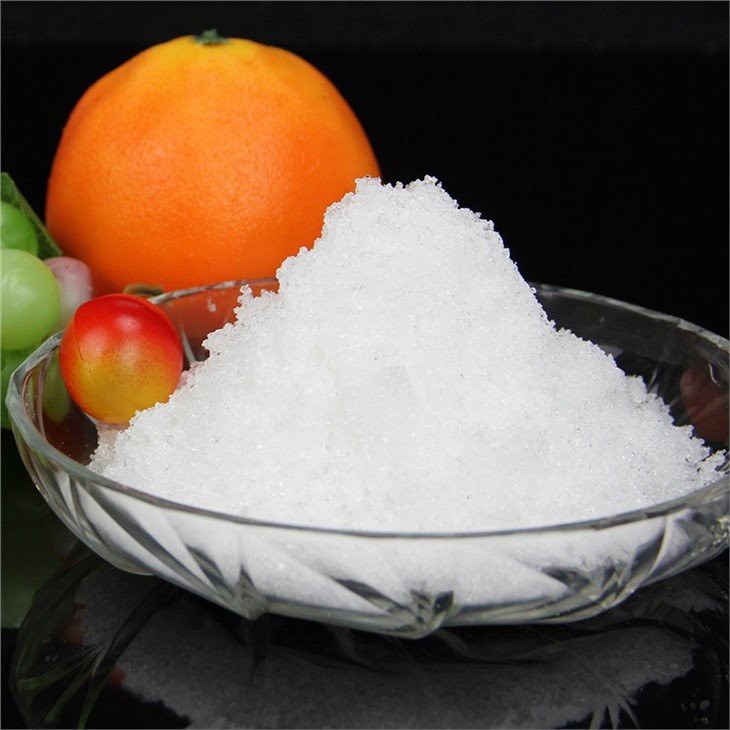

If you are interested in learning more about Calcium Nitrate Crystal or Calcium Nitrate Granular and how it can benefit your crops, please feel free to contact us for a purchase negotiation. We are committed to providing high - quality products and professional advice to meet your agricultural needs.
References
- Marschner, H. (1995). Mineral Nutrition of Higher Plants. Academic Press.
- Epstein, E., & Bloom, A. J. (2005). Mineral Nutrition of Plants: Principles and Perspectives. Sinauer Associates.
- Taiz, L., & Zeiger, E. (2010). Plant Physiology. Sinauer Associates.