

Hey there! As a magnesium nitrate supplier, I've had my fair share of chats with folks in the papermaking industry. You might be wondering, "How does magnesium nitrate affect the papermaking process?" Well, let's dive right in and find out.
What is Magnesium Nitrate?
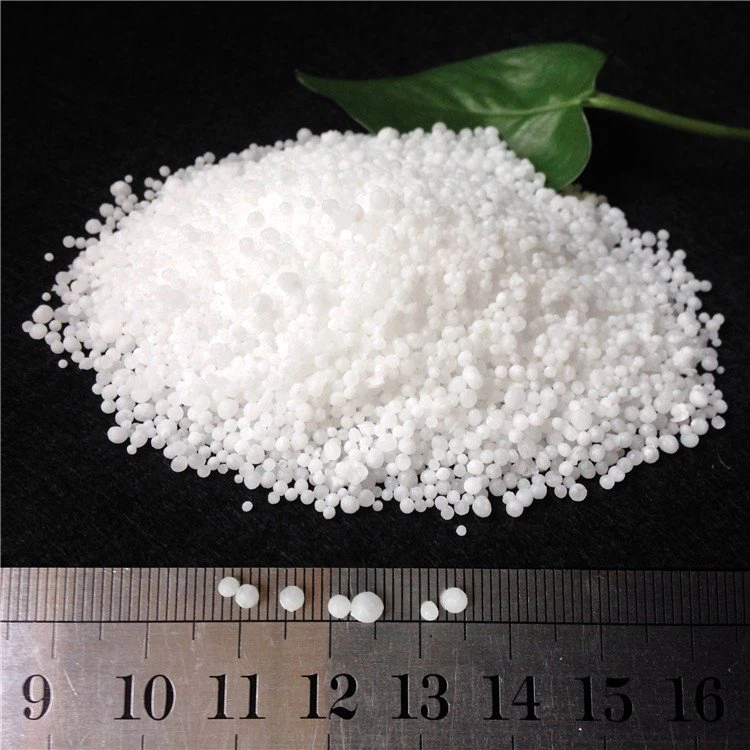
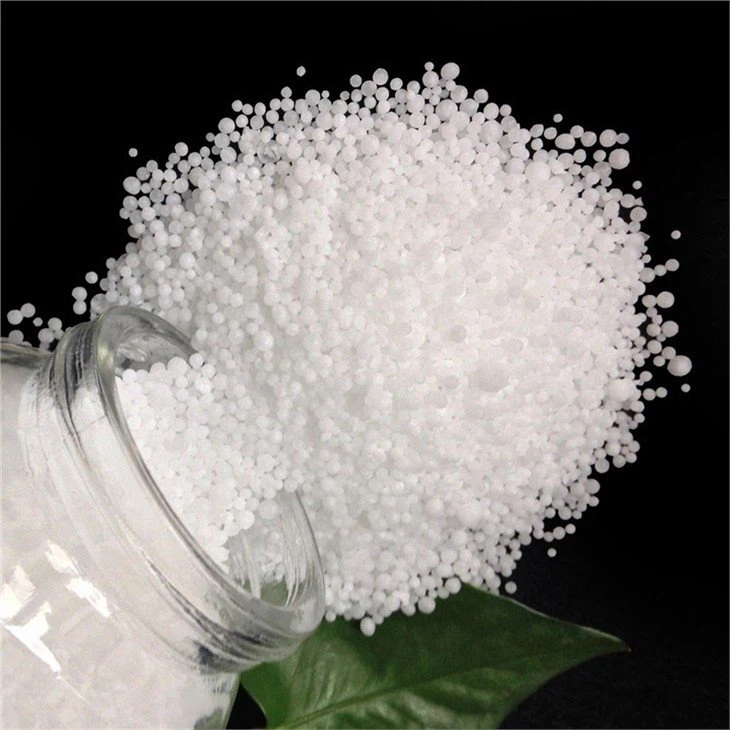
First things first, what exactly is magnesium nitrate? It's a chemical compound with the formula Mg(NO₃)₂. We offer it in different forms like Magnesium Nitrate Granular, Magnesium Nitrate Crystal, and Magnesium Nitrate Flake. Each form has its own unique properties and advantages, but they all share the same fundamental chemical makeup.
Role in Pulping
One of the key stages in papermaking is pulping, where wood chips or other fibrous materials are broken down into pulp. Magnesium nitrate can play a crucial role here. In the kraft pulping process, which is one of the most common methods, magnesium nitrate can act as a buffer. It helps maintain the pH level within the pulping liquor. A stable pH is super important because it affects the efficiency of the pulping chemicals. If the pH is too high or too low, the pulping process can be less effective, leading to lower-quality pulp.
Magnesium nitrate also has some antioxidant properties. During pulping, the wood fibers are exposed to high temperatures and chemicals, which can cause oxidation. Oxidation can lead to the degradation of the fibers, resulting in weaker paper. By acting as an antioxidant, magnesium nitrate helps protect the fibers from this damage, ensuring that the pulp retains its strength and quality.
Impact on Bleaching
Bleaching is another critical step in papermaking. The goal is to remove the natural color of the pulp and make it whiter. Magnesium nitrate can have a positive impact on this process as well. In chlorine-based bleaching systems, magnesium nitrate can be used as a stabilizer. Chlorine is a powerful bleaching agent, but it can also be quite aggressive. It can react with the pulp fibers and cause damage, leading to a decrease in paper strength.
Magnesium nitrate helps control the reactivity of the chlorine. It forms a protective layer around the pulp fibers, preventing the chlorine from over-bleaching or damaging them. This results in a more uniform and effective bleaching process, producing paper with better brightness and strength.
Influence on Paper Strength
The strength of paper is a major concern for papermakers. Magnesium nitrate can contribute to improving paper strength in several ways. As mentioned earlier, it protects the pulp fibers during pulping and bleaching, ensuring that they remain intact and strong. Additionally, magnesium nitrate can help improve the bonding between the fibers in the paper.
When the pulp is formed into paper, the fibers need to stick together to create a strong and cohesive sheet. Magnesium nitrate can act as a bonding agent, enhancing the intermolecular forces between the fibers. This leads to a more tightly packed paper structure, which translates to increased tensile strength, tear resistance, and burst strength.
Effect on Paper Smoothness
Smoothness is another important property of paper, especially for applications like printing and writing. Magnesium nitrate can have a positive effect on paper smoothness. During the papermaking process, the pulp is pressed and dried to form a sheet of paper. Magnesium nitrate can help improve the distribution of the pulp fibers during this process.
It reduces the tendency of the fibers to clump together, resulting in a more even and uniform distribution. This, in turn, leads to a smoother paper surface. A smooth surface is essential for good ink transfer in printing and a comfortable writing experience.
Cost-Effectiveness
Now, let's talk about cost. As a papermaker, you're always looking for ways to improve the quality of your paper while keeping costs down. Magnesium nitrate can be a cost-effective solution. It's relatively inexpensive compared to some other chemicals used in the papermaking process. And because it can improve the efficiency of pulping, bleaching, and other stages, it can actually help reduce overall production costs.
For example, by protecting the pulp fibers during pulping and bleaching, you can reduce the amount of raw materials needed to produce a given amount of paper. This not only saves money but also has environmental benefits. Additionally, the improved paper strength and smoothness can increase the market value of your paper, allowing you to command a higher price.
Environmental Considerations
In today's world, environmental sustainability is a top priority. Magnesium nitrate is a relatively environmentally friendly chemical. It's biodegradable and doesn't leave behind harmful residues. When used in the papermaking process, it can help reduce the environmental impact.
For instance, by improving the efficiency of the pulping and bleaching processes, it can reduce the amount of chemicals and energy required. This leads to lower emissions and a smaller carbon footprint. Additionally, the use of magnesium nitrate can help produce paper that is more recyclable, further contributing to a more sustainable papermaking industry.
Conclusion
So, there you have it! Magnesium nitrate can have a significant impact on the papermaking process. From pulping to bleaching, and from paper strength to smoothness, it plays a crucial role in improving the quality of paper. And with its cost-effectiveness and environmental benefits, it's a great choice for papermakers.
If you're in the papermaking industry and are interested in learning more about how magnesium nitrate can benefit your process, or if you're looking to purchase high-quality magnesium nitrate, feel free to reach out. We'd be happy to have a chat and discuss how we can meet your specific needs.
References
- "Handbook of Pulp and Paper Technology"
- "Papermaking: The History and Technology of an Ancient Craft"
- Various research papers on the use of magnesium nitrate in papermaking