

NPK fertilizers, which contain nitrogen (N), phosphorus (P), and potassium (K), are among the most widely used fertilizers in agriculture. Mycorrhizal fungi, on the other hand, form symbiotic relationships with plant roots, enhancing nutrient uptake and plant health. As an NPK fertilizer supplier, I'm often asked about how these two important components of plant growth interact. In this blog, I'll delve into the details of their interaction and discuss how understanding this can benefit farmers and gardeners.
The Basics of NPK Fertilizers
NPK fertilizers are formulated to provide plants with the three primary macronutrients they need for healthy growth. Nitrogen is essential for leaf and stem development, as it is a key component of chlorophyll, the pigment that enables plants to photosynthesize. Phosphorus plays a crucial role in energy transfer and storage within the plant, as well as in root development and flowering. Potassium helps regulate various physiological processes in the plant, including water uptake, enzyme activation, and disease resistance.
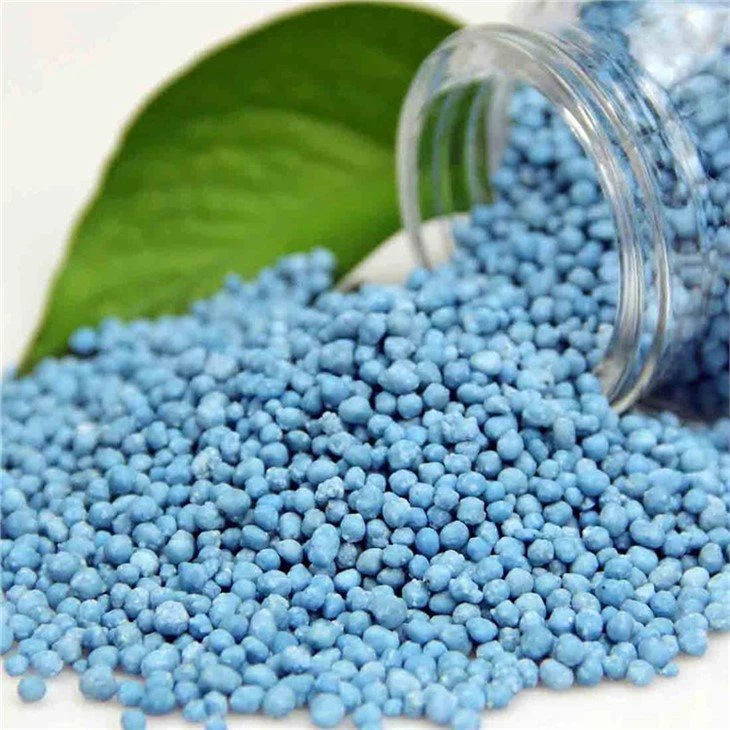
There are different formulations of NPK fertilizers available to meet the specific needs of different plants and growing conditions. For example, NPK 15-15-15, 20-20-20, 10-10-5 Fertilizer are common blends that provide a balanced supply of nitrogen, phosphorus, and potassium. 100% Water Soluble NPK Fertilizer 19-19-19 is another popular option, especially for hydroponic systems and foliar feeding, as it can be easily dissolved in water and quickly absorbed by plants.
The Role of Mycorrhizal Fungi
Mycorrhizal fungi are a group of soil fungi that form symbiotic associations with the roots of most plants. There are two main types of mycorrhizal associations: ectomycorrhizae and endomycorrhizae. Ectomycorrhizae form a sheath around the root tips, while endomycorrhizae penetrate the root cells. In both cases, the fungi provide the plant with increased access to nutrients, particularly phosphorus, in exchange for carbohydrates produced by the plant through photosynthesis.
Mycorrhizal fungi have several benefits for plants. They can improve nutrient uptake by increasing the surface area of the root system, allowing plants to access nutrients that are otherwise unavailable. They can also enhance plant tolerance to drought, salinity, and other environmental stresses. In addition, mycorrhizal fungi can help protect plants from soil-borne pathogens by producing antibiotics and other defense compounds.
Interaction between NPK Fertilizers and Mycorrhizal Fungi
The interaction between NPK fertilizers and mycorrhizal fungi is complex and can vary depending on several factors, including the type and amount of fertilizer applied, the type of mycorrhizal fungi present, and the plant species.
Nitrogen
Nitrogen is an important nutrient for both plants and mycorrhizal fungi. However, high levels of nitrogen fertilization can have a negative impact on mycorrhizal colonization. This is because nitrogen is often readily available in synthetic fertilizers, and plants may not need to rely on mycorrhizal fungi for nitrogen uptake. As a result, the plant may allocate fewer carbohydrates to the fungi, reducing their growth and activity.
On the other hand, low levels of nitrogen can stimulate mycorrhizal colonization, as plants may benefit more from the fungi's ability to access nitrogen from organic matter in the soil. In some cases, a combination of moderate nitrogen fertilization and mycorrhizal inoculation may be the most effective approach for promoting plant growth and nutrient uptake.

Phosphorus
Phosphorus is the nutrient that mycorrhizal fungi are most well-known for enhancing uptake. In many soils, phosphorus is present in insoluble forms that are difficult for plants to access. Mycorrhizal fungi can secrete enzymes that break down these insoluble forms of phosphorus, making it available to the plant.
When phosphorus is applied in the form of NPK fertilizers, the interaction with mycorrhizal fungi can be more complex. High levels of phosphorus fertilization can reduce mycorrhizal colonization, as the plant may have sufficient phosphorus available and may not need the fungi's assistance. However, in some cases, a small amount of phosphorus fertilization can actually enhance mycorrhizal colonization, as it can provide the fungi with the phosphorus they need for growth and development.
Potassium
Potassium is also an important nutrient for both plants and mycorrhizal fungi. While there is less research on the interaction between potassium fertilization and mycorrhizal fungi compared to nitrogen and phosphorus, some studies have suggested that potassium fertilization can have a positive impact on mycorrhizal colonization and function. Potassium can help improve the plant's overall health and stress tolerance, which may in turn benefit the mycorrhizal fungi.
Implications for Agriculture and Gardening
Understanding the interaction between NPK fertilizers and mycorrhizal fungi can have important implications for agriculture and gardening. Here are some key points to consider:
- Balanced Fertilization: It's important to use NPK fertilizers in a balanced way to avoid over - or under - fertilization. Over - fertilization, especially with nitrogen and phosphorus, can reduce mycorrhizal activity, while under - fertilization may limit plant growth.
- Mycorrhizal Inoculation: Inoculating plants with mycorrhizal fungi can be a beneficial practice, especially in soils with low nutrient availability or poor soil structure. However, it's important to choose the right type of mycorrhizal fungi for the specific plant species and growing conditions.
- Soil Health: Maintaining good soil health is essential for the growth and activity of mycorrhizal fungi. This includes practices such as adding organic matter, reducing tillage, and avoiding the use of excessive pesticides and fertilizers.
Conclusion
In conclusion, the interaction between NPK fertilizers and mycorrhizal fungi is an important aspect of plant nutrition and health. As an NPK fertilizer supplier, I believe that by understanding this interaction, farmers and gardeners can make more informed decisions about fertilization practices and improve the overall productivity and sustainability of their crops.
If you're interested in learning more about our NPK Nitrogen Phosphorus Potassium fertilizers or have questions about how they can interact with mycorrhizal fungi, feel free to contact us for a detailed discussion. We're here to help you find the best solutions for your agricultural and gardening needs.
References
- Smith, S. E., & Read, D. J. (2008). Mycorrhizal symbiosis. Academic press.
- Marschner, P. (2012). Mineral nutrition of higher plants. Academic press.
- Barea, J. M., Azcón, R., & Azcón-Aguilar, C. (2005). Microbial co-operation in the rhizosphere. Journal of Experimental Botany, 56(417), 1761 - 1778.