

Hey there! As a supplier of Diammonium Phosphate (DAP), I often get asked, "How much nitrogen does Diammonium Phosphate contain?" Well, let's dive right into it and break down all the nitty - gritty details.
First off, for those who might not know, DAP is a widely used fertilizer in the agricultural world. It's got a whole bunch of benefits for crops, and one of the key things it provides is nutrients, including nitrogen.
The chemical formula for DAP is (NH₄)₂HPO₄. When we look at this formula, we can start to figure out how much nitrogen it holds. In the ammonium ions (NH₄⁺) in DAP, nitrogen is present. Each ammonium ion has one nitrogen atom. Since there are two ammonium ions in the DAP molecule, that's a good start in our nitrogen - counting process.
To determine the percentage of nitrogen in DAP, we need to do a bit of chemistry math. The molar mass of nitrogen (N) is approximately 14 g/mol. The molar mass of hydrogen (H) is about 1 g/mol, phosphorus (P) is around 31 g/mol, and oxygen (O) is roughly 16 g/mol.
The molar mass of DAP, (NH₄)₂HPO₄:
- For the two ammonium ions (NH₄)₂: 2 * (14 + 4*1) = 2 * 18 = 36 g/mol
- For the hydrogen (H): 1 g/mol
- For the phosphorus (P): 31 g/mol
- For the four oxygen atoms (O₄): 4 * 16 = 64 g/mol
The total molar mass of DAP is 36 + 1+ 31 + 64 = 132 g/mol
The total mass of nitrogen in DAP is 2 * 14 = 28 g/mol
To find the percentage of nitrogen in DAP, we use the formula: (mass of nitrogen in DAP / molar mass of DAP) * 100
So, (28 / 132) * 100 ≈ 21.2%.
This means that, on average, Diammonium Phosphate contains about 21% nitrogen by weight. That's a pretty significant amount of nitrogen, which is super important for plant growth. Nitrogen is a key component in the formation of proteins, nucleic acids, and chlorophyll in plants. Chlorophyll, as you might know, is what gives plants their green color and is crucial for photosynthesis. With an adequate supply of nitrogen from DAP, plants can grow stronger, have better leaf development, and produce higher yields.
Now, let's talk about why this matters in the real - world agricultural scenario. Farmers and growers rely on fertilizers like DAP to ensure their crops get the nutrients they need. Different crops have different nitrogen requirements at various stages of their growth. For example, leafy vegetables like lettuce and spinach need a good amount of nitrogen for lush, green foliage. Grains such as wheat and corn also benefit from the nitrogen in DAP during their vegetative growth phase.
When it comes to our DAP product, we take pride in its quality. We make sure that the nitrogen content is consistent and within the expected range. Our production process is carefully monitored to ensure that every batch of DAP we supply meets the high - quality standards that farmers and agricultural businesses expect.
If you're in the market for a reliable source of DAP, you've come to the right place. Our DAP is not only rich in nitrogen but also contains about 53% phosphorus pentoxide (P₂O₅), which is another essential nutrient for plants. Phosphorus helps with root development, energy transfer, and overall plant health.
If you want to learn more about our DAP product, you can check out DAP Diammonium Phosphate. This page has all the technical details about our DAP, including its chemical composition, physical properties, and how it compares to other fertilizers on the market.
For those interested in how our DAP can be used in agriculture, take a look at Diammonium Phosphate DAP Agriculture Fertilizer. Here, you'll find case studies, application guidelines, and success stories from farmers who have used our DAP to boost their crop yields.

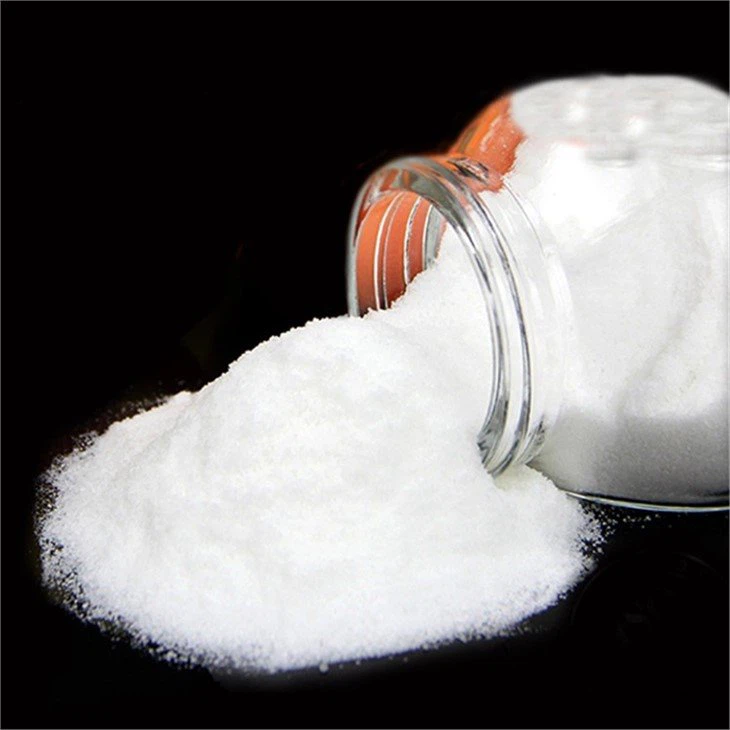
Whether you're a small - scale farmer looking to improve the quality of your home garden or a large - scale agricultural enterprise aiming for maximum productivity, our DAP can be a great addition to your fertilization strategy.
If you're interested in purchasing our DAP or have any questions about its nitrogen content or how it can benefit your crops, don't hesitate to reach out. We're here to help you make the best decisions for your agricultural needs. Let's start a conversation and see how we can work together to achieve great results in your fields.
References:
- General Chemistry textbooks for molar mass calculations
- Agricultural research papers on the role of nitrogen in plant growth