

Hey there, fellow hydroponics enthusiasts! If you're into hydroponics, you know how crucial it is to have the right nutrients for your plants to thrive. One of the key nutrients is calcium nitrate, and today, I'm gonna share with you how to prepare a calcium nitrate crystal solution for hydroponics. And by the way, I'm a supplier of Calcium Nitrate Crystal, so I've got some hands - on experience with this stuff.
Why Calcium Nitrate in Hydroponics
First off, let's talk about why calcium nitrate is so important in hydroponics. Calcium is essential for cell wall development in plants. It helps in maintaining the structural integrity of the plant cells, making them stronger and more resistant to diseases. Nitrate, on the other hand, is a major source of nitrogen, which is crucial for plant growth, especially for leafy green development.
In hydroponic systems, where plants are grown in a soilless medium, they rely entirely on the nutrient solution you provide. So, getting the right balance of calcium and nitrate is super important. Calcium nitrate provides both of these nutrients in a readily available form for the plants to absorb.
What You'll Need
Before you start preparing the solution, you'll need a few things:
- Calcium Nitrate Crystals: Of course, you'll need the Calcium Nitrate Crystal itself. You can get high - quality crystals from a reliable supplier like me.
- Distilled or Reverse Osmosis Water: Tap water can contain impurities like chlorine, fluoride, and other minerals that can interfere with the nutrient solution. Distilled or reverse osmosis water is pure and will give you a clean base for your solution.
- A Measuring Cup or Scale: To accurately measure the amount of calcium nitrate and water.
- A Container: A clean container to mix the solution in. It should be made of a material that won't react with the chemicals, like plastic or glass.
- A Stirring Rod or Spoon: To mix the calcium nitrate crystals into the water.
Measuring the Calcium Nitrate
The amount of calcium nitrate you need to add to the water depends on the size of your hydroponic system and the specific needs of your plants. As a general rule of thumb, for most hydroponic systems, a concentration of 150 - 200 ppm (parts per million) of calcium nitrate is a good starting point.
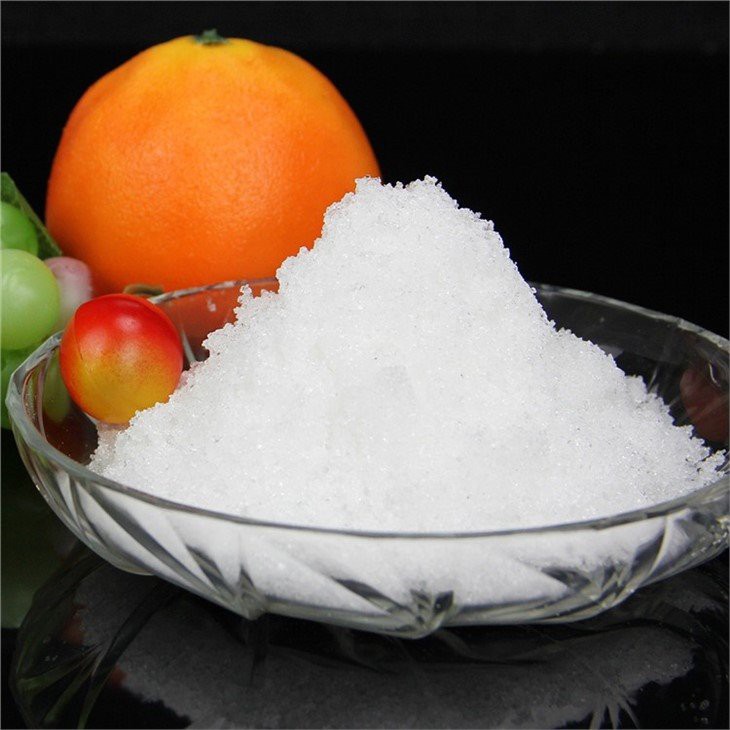

If you're using a scale, you can measure the exact amount of calcium nitrate based on the volume of water you're using. For example, if you want to make 1 liter of a 150 ppm calcium nitrate solution, you'll need to add about 0.15 grams of calcium nitrate. You can use an online ppm calculator to figure out the exact amount for your specific situation.
If you don't have a scale, you can use a measuring cup. However, this method is a bit less accurate. You can start by adding a small amount of calcium nitrate to the water and then test the solution with a ppm meter to see if you've reached the desired concentration.
Mixing the Solution
Once you've measured the calcium nitrate, it's time to mix it with the water. Here's how you do it:
- Pour the distilled or reverse osmosis water into the container. Leave some room at the top for stirring.
- Slowly add the calcium nitrate crystals to the water while stirring continuously with the stirring rod or spoon. It's important to add the crystals slowly to prevent clumping.
- Keep stirring until all the calcium nitrate crystals are completely dissolved. This might take a few minutes, especially if you're making a large batch.
- Check the ppm of the solution using a ppm meter. If the concentration is too low, you can add a little more calcium nitrate and stir until it dissolves. If it's too high, you can add more water to dilute the solution.
Testing and Adjusting the Solution
After you've mixed the solution, it's important to test it to make sure it's suitable for your plants. In addition to checking the ppm, you should also test the pH of the solution. Most plants prefer a slightly acidic to neutral pH range of 5.5 - 6.5.
You can use a pH meter or pH test strips to measure the pH of the solution. If the pH is too high, you can add a small amount of an acid, like phosphoric acid, to lower it. If the pH is too low, you can add a small amount of a base, like potassium hydroxide, to raise it.
Keep in mind that the pH of the solution can change over time as the plants absorb the nutrients. So, it's a good idea to test the pH regularly and make adjustments as needed.
Storing the Solution
If you're not going to use the solution right away, you can store it in a cool, dark place. Make sure the container is tightly sealed to prevent evaporation and contamination. The solution should be stable for a few weeks, but it's still a good idea to test it again before using it.
Troubleshooting
Sometimes, you might run into some issues when preparing or using the calcium nitrate solution. Here are some common problems and how to solve them:
- Clumping: If the calcium nitrate crystals clump together when you add them to the water, it could be because they were added too quickly or the water was too cold. Try adding the crystals more slowly and using warmer water.
- Cloudy Solution: A cloudy solution could indicate that the calcium nitrate didn't dissolve completely or that there are impurities in the water. Try stirring the solution for a longer time or using a different source of water.
- Plant Problems: If your plants are showing signs of nutrient deficiency or toxicity, it could be because the calcium nitrate solution is not balanced correctly. Check the ppm and pH of the solution and make adjustments as needed.
Using Calcium Nitrate Granular as an Alternative
While calcium nitrate crystals are a popular choice for hydroponics, you can also use Calcium Nitrate Granular. The process of preparing a solution with granules is similar to using crystals. However, granules might take a bit longer to dissolve, so you'll need to stir the solution for a longer time.
Conclusion
Preparing a calcium nitrate crystal solution for hydroponics is not as complicated as it might seem. By following these steps, you can ensure that your plants get the right amount of calcium and nitrate they need to grow healthy and strong.
If you're interested in purchasing high - quality Calcium Nitrate Crystal or Calcium Nitrate Granular for your hydroponic system, feel free to reach out for more information and to start a procurement discussion.
References
- Resh, H. M. (2013). Hydroponic Food Production: A Definitive Guidebook for the Advanced Home Gardener and the Commercial Hydroponic Grower. Woodbridge Press.
- Epstein, E., & Bloom, A. J. (2005). Mineral Nutrition of Plants: Principles and Perspectives. Sinauer Associates.