

Hey there! As a urea fertilizer supplier, I often get asked about the recommended application rate of urea fertilizer for wheat. It's a crucial question because getting the right amount can significantly impact the yield and quality of the wheat crop. So, let's dive right into it.
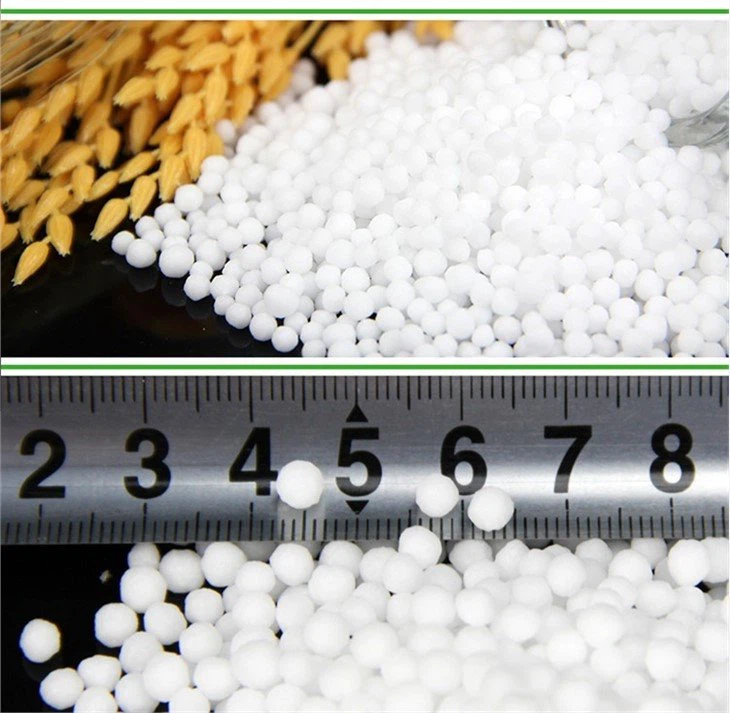
First off, let's understand what urea fertilizer is. Urea is a common nitrogen - based fertilizer. It's a white, crystalline solid that contains about 46% nitrogen. Nitrogen is an essential nutrient for wheat as it plays a vital role in various physiological processes of the plant, such as photosynthesis, protein synthesis, and overall growth and development.
The recommended application rate of urea fertilizer for wheat can vary depending on several factors. One of the most important factors is the soil type. Different soil types have different abilities to hold and release nutrients. For instance, sandy soils tend to have lower water - holding capacity and nutrient - retention ability compared to clayey or loamy soils.
In sandy soils, nitrogen can leach out more easily. So, for wheat grown in sandy soils, a split application of urea is often recommended. A common approach is to apply about 30 - 40% of the total nitrogen requirement as a basal dose at the time of sowing. Then, the remaining 60 - 70% can be top - dressed in two or three equal splits during the tillering, jointing, and booting stages of the wheat plant. The total recommended nitrogen application rate for wheat in sandy soils is usually around 100 - 120 kg per hectare. Considering that urea contains 46% nitrogen, this translates to an application rate of approximately 217 - 261 kg of urea per hectare.
On the other hand, clayey and loamy soils have better nutrient - holding capacity. For wheat in these soil types, a larger proportion of the nitrogen can be applied as a basal dose. Around 50 - 60% of the total nitrogen requirement can be applied at sowing, and the remaining 40 - 50% can be top - dressed during the tillering and jointing stages. The total nitrogen requirement for wheat in clayey and loamy soils is generally in the range of 120 - 150 kg per hectare. So, the corresponding urea application rate would be around 261 - 326 kg per hectare.
Another factor that affects the urea application rate is the wheat variety. Some high - yielding wheat varieties have a higher demand for nitrogen compared to traditional or low - yielding varieties. High - yielding varieties often require more nitrogen to support their rapid growth and development, and thus may need a slightly higher application rate of urea. It's important to check the specific requirements of the wheat variety you are planting.
The previous crop and the cropping system also matter. If the previous crop was a legume, such as peas or beans, the soil may have a higher residual nitrogen content due to the nitrogen - fixing ability of legumes. In this case, the urea application rate for wheat can be slightly reduced. Conversely, if the previous crop was a heavy nitrogen - consuming crop, more urea may be needed.
Now, let's talk about the timing of urea application. Applying urea at the right time is just as important as applying the right amount. As mentioned earlier, a basal application at sowing helps to provide the young wheat plants with an initial supply of nitrogen. Top - dressing during the tillering stage is crucial as this is when the wheat plant starts to produce more tillers, which will eventually form the heads. Applying urea during the jointing stage helps in the development of strong stems, and application during the booting stage supports the formation and filling of grains.
When it comes to the type of urea fertilizer, we offer two great options. We have Industrial Grade Urea Fertilizer, which is known for its high purity and solubility. It can be easily dissolved in water and is suitable for various application methods, such as foliar spraying and fertigation. Our Urea Granular Fertilizer is a great choice for traditional broadcast or band application. The granules are uniform in size, which ensures even distribution of the fertilizer in the field.
It's also important to note that over - application of urea can have negative consequences. Excessive nitrogen can lead to lush vegetative growth, making the wheat plants more susceptible to lodging (falling over). It can also increase the risk of diseases and pests. Moreover, it can cause environmental problems, such as nitrogen leaching into groundwater and the emission of greenhouse gases like nitrous oxide.
Under - application of urea, on the other hand, will result in nitrogen deficiency in the wheat plants. Symptoms of nitrogen deficiency include pale green or yellowish leaves, stunted growth, and reduced tillering. This will ultimately lead to lower yields and poor - quality wheat.
To determine the exact urea application rate for your wheat crop, it's a good idea to conduct a soil test. A soil test can provide accurate information about the existing nutrient levels in the soil, including nitrogen. Based on the soil test results, you can adjust the urea application rate accordingly.
In conclusion, the recommended application rate of urea fertilizer for wheat depends on soil type, wheat variety, previous crop, and cropping system. By getting the right amount and timing of urea application, you can ensure healthy wheat growth, high yields, and good - quality grains.
If you're interested in purchasing high - quality urea fertilizer for your wheat crop, don't hesitate to reach out. We're here to help you make the best decisions for your farming needs. Whether you need Industrial Grade Urea Fertilizer or Urea Granular Fertilizer, we've got you covered. Let's have a chat and discuss how we can meet your requirements.
References

- Brady, N. C., & Weil, R. R. (2008). The Nature and Properties of Soils. Pearson Prentice Hall.
- Dordas, C. A. (2009). Nitrogen fertilization and its effect on wheat quality and processing. Journal of Food, Agriculture & Environment, 7(1 - 2), 59 - 64.
- Fageria, N. K., Baligar, V. C., & Clark, R. B. (2002). Nutrient management in crop production. CRC Press.