

Calcium nitrate, a compound with the chemical formula Ca(NO₃)₂, plays a multifaceted and significant role in ceramic production. As a reliable supplier of Calcium Nitrate Granular and Calcium Nitrate Crystal, I have witnessed firsthand its indispensable contributions to the ceramic industry. In this blog, I will delve into the various functions of calcium nitrate in ceramic manufacturing, exploring its impact on raw materials, the firing process, and the final properties of ceramic products.
1. Effects on Ceramic Raw Materials
Modification of Clay Properties
One of the primary roles of calcium nitrate in ceramic production is its ability to modify the properties of clay, which is a fundamental raw material in ceramics. Clay has a natural tendency to form strong cohesive forces due to its fine particle size and surface charge. This can lead to issues such as poor workability and high shrinkage during drying and firing.
When calcium nitrate is added to clay, the calcium ions (Ca²⁺) in the compound interact with the negatively charged clay particles. This interaction helps to break down the agglomerates of clay particles, resulting in a more dispersed and fluid clay suspension. As a result, the workability of the clay is significantly improved. Potters and ceramic manufacturers can more easily shape the clay into the desired forms, whether it is through hand - building, wheel - throwing, or other forming techniques.
Moreover, the addition of calcium nitrate can also reduce the shrinkage of clay during drying and firing. The calcium ions help to stabilize the structure of the clay, preventing excessive contraction and cracking. This is crucial for producing high - quality ceramic products with consistent dimensions and fewer defects.
Fluxing Agent in Glaze Formulations
In ceramic glazes, calcium nitrate acts as a fluxing agent. A flux is a substance that lowers the melting point of a material. Glazes are applied to the surface of ceramic products to provide a decorative and protective coating. They typically consist of a mixture of various oxides, including silica, alumina, and alkaline earth metal oxides.
When calcium nitrate is included in the glaze formulation, it decomposes during the firing process to release calcium oxide (CaO). The calcium oxide then reacts with other components in the glaze, such as silica, to form low - melting - point compounds. This lowers the melting point of the glaze, allowing it to flow and form a smooth, continuous layer on the surface of the ceramic body at a relatively lower temperature.
The use of calcium nitrate as a flux also affects the physical and chemical properties of the glaze. It can improve the transparency, hardness, and chemical resistance of the glaze. For example, the presence of calcium in the glaze can enhance its resistance to acid attack, making the ceramic products more suitable for use in various environments.
2. Influence on the Firing Process
Oxidation and Reduction Reactions
During the firing process of ceramics, oxidation and reduction reactions occur, which have a profound impact on the color and texture of the final products. Calcium nitrate can play a role in these reactions.
In an oxidizing atmosphere, the nitrate ions (NO₃⁻) in calcium nitrate decompose to release oxygen. This additional oxygen supply can enhance the oxidation of metals and other elements present in the ceramic body or glaze. For example, iron compounds in the clay may be oxidized from a lower oxidation state (such as Fe²⁺) to a higher oxidation state (such as Fe³⁺), which can result in a change in color. Oxidized iron compounds often give rise to red, brown, or yellow colors in ceramics.
In a reducing atmosphere, the decomposition products of calcium nitrate can also participate in chemical reactions. The oxygen - depleted environment can cause the reduction of some metal oxides in the glaze, leading to unique color effects. For instance, copper oxides in the glaze can be reduced to metallic copper, resulting in a characteristic red or metallic - looking glaze.
Thermal Stability and Co - firing Compatibility
Calcium nitrate can improve the thermal stability of ceramic materials during the firing process. When used in combination with other raw materials, it can help to prevent the formation of cracks and warping that may occur due to uneven thermal expansion.
In addition, calcium nitrate can enhance the co - firing compatibility of different ceramic components. In some ceramic systems, multiple layers or components need to be fired together. Calcium nitrate can adjust the physical and chemical properties of these materials, ensuring that they undergo similar changes in density, shrinkage, and phase transformation during firing. This is particularly important in the production of advanced ceramics, such as multi - layer ceramic capacitors, where precise control of the firing process is essential for achieving high - performance devices.
3. Impact on the Final Properties of Ceramic Products
Mechanical Properties
The addition of calcium nitrate can improve the mechanical properties of ceramic products. As mentioned earlier, by reducing shrinkage and preventing cracking during drying and firing, it helps to create a more uniform and defect - free ceramic structure. This, in turn, enhances the strength and toughness of the ceramic.
For example, in traditional ceramic tiles, the incorporation of calcium nitrate can increase the flexural strength, making the tiles more resistant to breakage during installation and use. In advanced engineering ceramics, such as structural ceramics used in aerospace and automotive applications, the improved mechanical properties provided by calcium nitrate can contribute to the overall reliability and performance of the components.
Aesthetic Properties
Calcium nitrate also has a significant impact on the aesthetic properties of ceramic products. In addition to influencing the color of the glaze through oxidation and reduction reactions, it can also affect the surface texture of the glaze.
The way calcium nitrate decomposes and reacts during the firing process can create unique surface patterns and finishes. For example, it can cause the formation of small bubbles or crystals in the glaze, giving the ceramic a distinctive and attractive appearance. These aesthetic effects are highly valued by artists and designers in the creation of decorative ceramic pieces.
4. Considerations in Using Calcium Nitrate in Ceramic Production
Dosage and Concentration
The amount of calcium nitrate used in ceramic production is crucial. Too little calcium nitrate may not achieve the desired effects, such as improving workability or fluxing the glaze effectively. On the other hand, excessive amounts can lead to problems. For example, in the glaze, an over - dosage of calcium nitrate can cause the glaze to become too fluid, resulting in runs and drips on the ceramic surface. In the clay body, too much calcium nitrate may affect the plasticity and drying characteristics negatively.
Manufacturers need to carefully determine the appropriate dosage based on the specific type of ceramic product, the composition of the raw materials, and the firing conditions. This often requires a series of experiments and trials to optimize the formulation.

Compatibility with Other Additives
Calcium nitrate may interact with other additives commonly used in ceramic production, such as deflocculants, dispersants, and colorants. It is essential to ensure that these interactions do not have a negative impact on the performance of the ceramic materials.
For example, some deflocculants may form complexes with calcium ions, which can affect the dispersion of the clay particles. Therefore, when using calcium nitrate in combination with other additives, manufacturers need to test the compatibility and adjust the formulation accordingly.
Conclusion
In conclusion, calcium nitrate plays a vital role in ceramic production, from modifying the properties of raw materials to influencing the firing process and determining the final properties of ceramic products. As a calcium nitrate supplier, we understand the importance of providing high - quality products to meet the strict requirements of the ceramic industry.
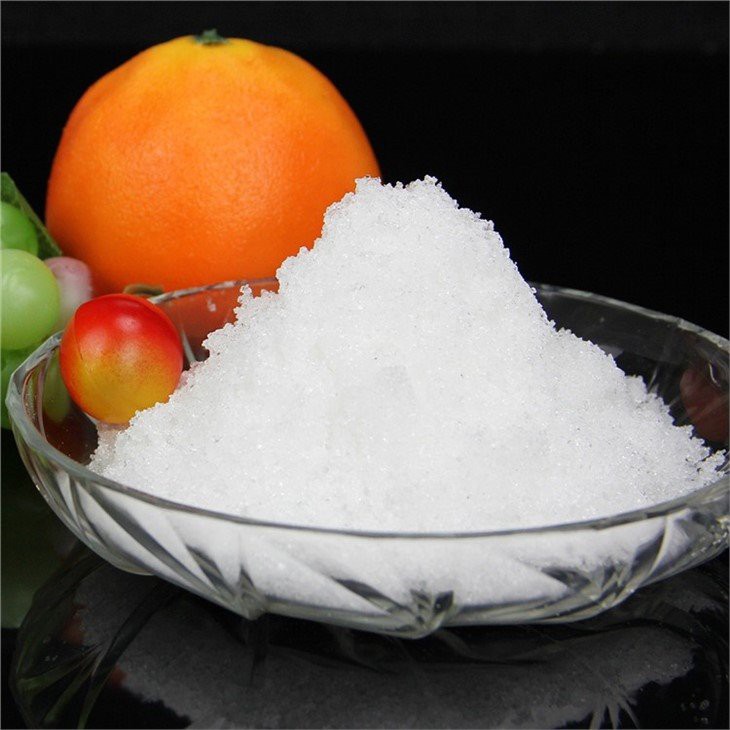
Whether you are a large - scale ceramic manufacturer or a small - scale ceramic artist, the selection of the right calcium nitrate product is crucial for achieving the best results. Our Calcium Nitrate Granular and Calcium Nitrate Crystal products are carefully produced to ensure consistency and purity.
If you are interested in learning more about how our calcium nitrate products can benefit your ceramic production or if you would like to discuss potential purchase options, please do not hesitate to contact us. We are committed to providing you with professional advice and excellent service to help you achieve your ceramic production goals.
References
- Kingery, W. D., Bowen, H. K., & Uhlmann, D. R. (1976). Introduction to Ceramics. Wiley.
- Pinches, G. (2010). Handbook of Ceramic Glaze Formulations. Elsevier.
- Reed, J. S. (1995). Principles of Ceramic Processing. Wiley.