

Can Ammonium Sulphate be used in the production of fire - retardant materials?
As a supplier of ammonium sulphate, I often receive inquiries about the various applications of this versatile chemical compound. One question that has been coming up more frequently lately is whether ammonium sulphate can be used in the production of fire - retardant materials. In this blog post, I will explore this topic in detail, examining the scientific basis, potential benefits, and limitations of using ammonium sulphate in fire - retardant applications.
The Chemical Properties of Ammonium Sulphate
Ammonium sulphate, with the chemical formula ((NH_4)_2SO_4), is an inorganic salt that is commonly used as a fertilizer due to its high nitrogen and sulfur content. It is a white, crystalline solid that is highly soluble in water. When heated, ammonium sulphate decomposes endothermically, releasing ammonia and sulfuric acid. This endothermic decomposition reaction is a key factor in its potential use as a fire - retardant.
The endothermic nature of the decomposition process absorbs heat from the surrounding environment, which can help to lower the temperature of a burning material. Additionally, the release of ammonia gas can dilute the oxygen concentration in the vicinity of the fire, further suppressing combustion. The sulfuric acid produced during decomposition can also react with some materials to form a char layer, which acts as a barrier to heat and oxygen transfer.
Fire - Retardant Mechanisms
There are several mechanisms by which ammonium sulphate can contribute to fire retardancy:
- Endothermic Decomposition: As mentioned earlier, the endothermic decomposition of ammonium sulphate absorbs heat, reducing the heat available for the combustion process. This can slow down the rate of fire spread and prevent the material from reaching its ignition temperature.
- Gas Dilution: The release of ammonia gas during decomposition dilutes the oxygen in the air around the fire. Since combustion requires oxygen, reducing its concentration can suppress the fire.
- Char Formation: The sulfuric acid generated during decomposition can react with organic materials to form a char layer. This char layer acts as a physical barrier, preventing the transfer of heat and oxygen to the underlying material, thereby reducing the rate of combustion.
Applications in Fire - Retardant Materials
Ammonium sulphate has been used in various fire - retardant applications, including:
- Textiles: It can be applied to fabrics to make them more resistant to fire. By treating textiles with ammonium sulphate solutions, the endothermic decomposition and gas dilution effects can help to prevent the fabric from catching fire easily and slow down the spread of flames.
- Wood and Paper Products: In the wood and paper industry, ammonium sulphate can be incorporated into products to enhance their fire - retardant properties. The char formation mechanism can protect the wood or paper from burning, making it suitable for use in construction and packaging applications where fire safety is a concern.
- Plastics: Some types of plastics can be formulated with ammonium sulphate to improve their fire resistance. The endothermic decomposition of ammonium sulphate can absorb the heat generated during the combustion of plastics, reducing the risk of rapid fire spread.
Different Grades of Ammonium Sulphate for Fire - Retardant Applications
As a supplier, I offer different grades of ammonium sulphate that can be considered for fire - retardant production.
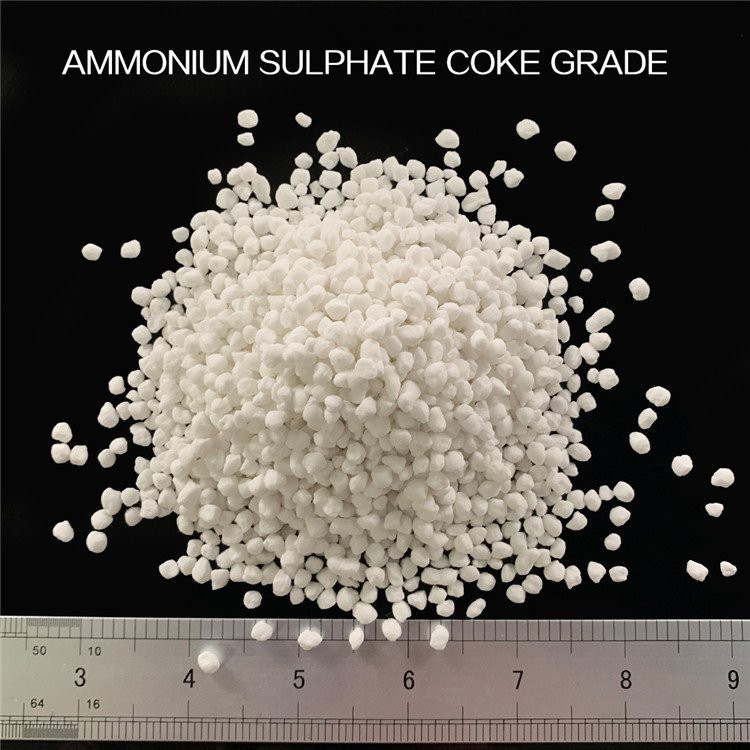
Ammonium Sulphate Coke Grade is a high - purity grade that may be suitable for applications where a clean and consistent product is required. Its high purity ensures that there are no impurities that could interfere with the fire - retardant mechanisms.
Ammonium Sulphate Steel Grade is another option. This grade is often produced as a by - product in the steel industry and may have specific properties that make it suitable for certain fire - retardant applications. It can be a cost - effective choice for large - scale production.
Capro Grade Ammonium Sulphate also has its own unique characteristics. It may be more suitable for applications where specific chemical reactivity or physical properties are needed for the fire - retardant formulation.
Limitations and Challenges
While ammonium sulphate has potential as a fire - retardant, there are also some limitations and challenges associated with its use:
- Hygroscopicity: Ammonium sulphate is hygroscopic, which means it can absorb moisture from the air. This can lead to caking and degradation of the product over time, especially in high - humidity environments. Proper storage and handling are required to maintain its effectiveness.
- Corrosiveness: The sulfuric acid produced during decomposition can be corrosive to some metals and other materials. This may limit its use in certain applications where corrosion is a concern.
- Effectiveness in Different Materials: The fire - retardant effectiveness of ammonium sulphate can vary depending on the type of material it is applied to. Some materials may not react well with ammonium sulphate, or the char formation may not be sufficient to provide adequate fire protection.
Conclusion
In conclusion, ammonium sulphate has the potential to be used in the production of fire - retardant materials. Its endothermic decomposition, gas dilution, and char formation mechanisms can contribute to fire suppression. However, it is important to consider the limitations and challenges associated with its use, such as hygroscopicity, corrosiveness, and material - specific effectiveness.
As a supplier of ammonium sulphate, I am committed to providing high - quality products that can meet the needs of customers in the fire - retardant industry. If you are interested in exploring the use of ammonium sulphate for your fire - retardant applications, I encourage you to contact me for more information and to discuss your specific requirements. We can work together to determine the most suitable grade of ammonium sulphate for your project and ensure its proper use and storage.
If you have any questions or would like to start a procurement discussion, please feel free to reach out. I look forward to the opportunity to work with you on your fire - retardant material production needs.

References
- "Fire Retardancy of Polymers: New Strategies and Mechanisms" by A. B. Morgan and C. A. Wilkie.
- "Handbook of Fire and Explosion Protection Engineering Principles for Oil, Gas, Chemical, and Related Facilities" by P. P. Crowl and J. F. Louvar.
- "Textile Fire Retardancy: Principles and Applications" by A. Horrocks.