

Monoammonium phosphate (MAP) is a widely recognized and highly effective component in fire extinguishers. As a supplier of high - quality monoammonium phosphate, I have witnessed firsthand its crucial role in fire safety. In this blog, I will delve into the details of what makes monoammonium phosphate an indispensable part of fire - fighting equipment.

Chemical Composition and Properties
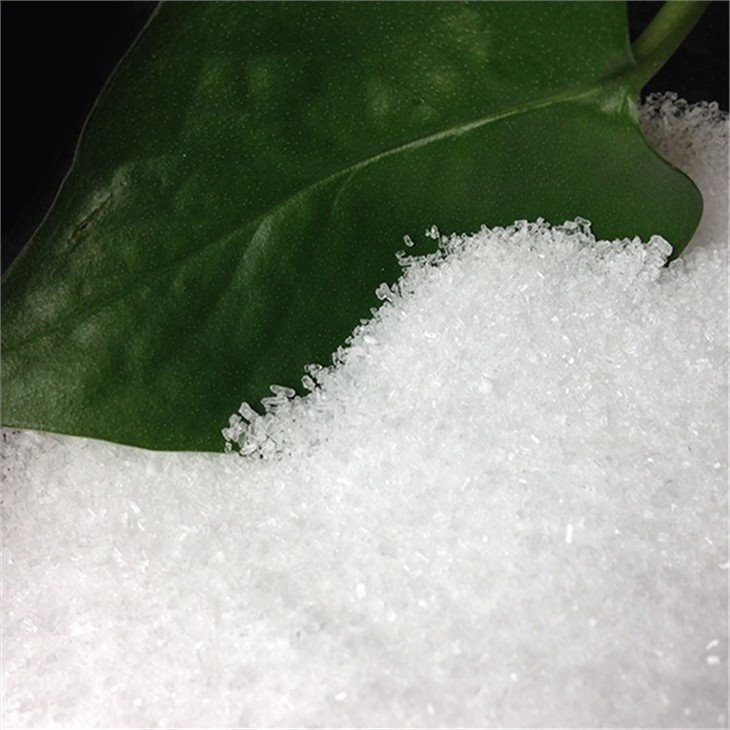
Monoammonium phosphate has the chemical formula NH₄H₂PO₄. It is a white crystalline salt that is highly soluble in water. This compound is a product of the reaction between ammonia (NH₃) and phosphoric acid (H₃PO₄). One of the key properties of monoammonium phosphate is its ability to decompose at elevated temperatures. When exposed to the heat of a fire, it breaks down into various substances, including ammonia gas (NH₃), water vapor (H₂O), and metaphosphoric acid (HPO₃).
The decomposition process is endothermic, which means it absorbs heat from the surrounding environment. This heat absorption helps to cool down the fire area, reducing the temperature below the ignition point of the fuel. For example, in a wood - based fire, the high temperature causes the monoammonium phosphate to decompose. The heat absorbed during this process slows down the combustion reaction of the wood, as the wood needs a certain temperature to continue burning.
Fire - Extinguishing Mechanisms
Smothering Effect
When monoammonium phosphate is discharged from a fire extinguisher, it forms a fine powder that can cover the surface of the burning material. This powder layer acts as a physical barrier between the fuel and the oxygen in the air. Oxygen is one of the essential elements for combustion, and by cutting off its supply to the fuel, the fire is smothered.
In a grease fire in a kitchen, for instance, the monoammonium phosphate powder quickly spreads over the burning grease. The powder layer prevents oxygen from reaching the grease, and as a result, the fire is extinguished. This smothering effect is particularly effective for Class B fires, which involve flammable liquids such as gasoline, oil, and grease.
Chemical Inhibition
Monoammonium phosphate also has a chemical inhibition effect on the combustion process. During decomposition, the metaphosphoric acid formed can react with the free radicals that are produced in the combustion reaction. Free radicals are highly reactive species that play a crucial role in propagating the combustion chain reaction. By reacting with these free radicals, the monoammonium phosphate disrupts the chain reaction, effectively stopping the fire from spreading.
In a hydrocarbon - based fire, such as a fire involving natural gas or propane, the free radicals generated during combustion are quickly neutralized by the metaphosphoric acid from the decomposed monoammonium phosphate. This chemical inhibition is especially important for Class A, B, and C fires. Class A fires involve ordinary combustibles like wood, paper, and cloth; Class B fires involve flammable liquids; and Class C fires involve energized electrical equipment.
Types of Fire Extinguishers Using Monoammonium Phosphate
ABC Dry Chemical Fire Extinguishers
These are the most common type of fire extinguishers that use monoammonium phosphate. ABC dry chemical fire extinguishers are designed to be effective against Class A, B, and C fires. The versatility of monoammonium phosphate makes these extinguishers suitable for a wide range of applications, from residential buildings to commercial and industrial settings.
In an office building, an ABC dry chemical fire extinguisher can be used to put out a fire caused by an overheated electrical device (Class C), a spilled flammable liquid from a printer's ink (Class B), or a fire started by paper waste (Class A). The ability to handle multiple types of fires makes these extinguishers a popular choice for general fire protection.
Advantages of Using Monoammonium Phosphate in Fire Extinguishers
High Effectiveness
As mentioned earlier, monoammonium phosphate can extinguish fires through multiple mechanisms, including smothering, cooling, and chemical inhibition. This multi - pronged approach makes it highly effective in quickly suppressing fires of different types. In a large - scale industrial fire, the rapid action of monoammonium phosphate can prevent the fire from spreading and causing extensive damage.
Long Shelf Life
Monoammonium phosphate has a relatively long shelf life when stored properly in a fire extinguisher. This means that fire extinguishers filled with monoammonium phosphate can be kept on standby for an extended period without losing their effectiveness. Building owners and facility managers can rely on these extinguishers to be ready for use when a fire breaks out.
Wide Availability
As a supplier, I can attest to the wide availability of monoammonium phosphate. It is produced in large quantities and is easily accessible for fire extinguisher manufacturers. This availability ensures that fire extinguishers filled with monoammonium phosphate are readily available in the market, making them a cost - effective option for fire protection.
Applications in Different Industries
Residential Use
In homes, fire extinguishers with monoammonium phosphate are essential for protecting against various fire hazards. Kitchen fires, which are often caused by cooking oils or electrical malfunctions, can be quickly extinguished using an ABC dry chemical fire extinguisher. Additionally, fires in living rooms, such as those started by candles or overheated electrical appliances, can also be controlled with these extinguishers.
Commercial Use
Commercial buildings, such as offices, shops, and restaurants, require reliable fire protection. Monoammonium phosphate - based fire extinguishers are commonly used in these settings due to their ability to handle different types of fires. In a restaurant, for example, a fire in the kitchen from a grease spill or an electrical short - circuit can be quickly addressed with an ABC dry chemical fire extinguisher.
Industrial Use
Industries face a wide range of fire risks, from flammable chemicals in chemical plants to electrical fires in manufacturing facilities. Monoammonium phosphate - filled fire extinguishers are crucial for protecting workers and property in these high - risk environments. In a chemical plant, a fire involving flammable solvents can be rapidly extinguished using the appropriate fire extinguisher, preventing a potential explosion or widespread damage.
Our Products
As a supplier, we offer high - quality monoammonium phosphate products. Our Monoammonium Phosphate Tech Grade (TMAP) Water Soluble is suitable for various industrial applications, including the production of high - performance fire extinguishers. It has excellent solubility and chemical stability, ensuring reliable performance in fire - fighting situations.
We also provide MAP Mono Ammonium Phosphate Agricultural grade. Although it is mainly used in agriculture as a fertilizer, it can also be used in some specific fire - protection scenarios where a more cost - effective option is required.
Conclusion
Monoammonium phosphate plays a vital role in fire extinguishers. Its unique chemical properties and multiple fire - extinguishing mechanisms make it an ideal choice for combating different types of fires. Whether in residential, commercial, or industrial settings, fire extinguishers filled with monoammonium phosphate provide reliable fire protection.
If you are interested in purchasing monoammonium phosphate for fire extinguisher production or other applications, please feel free to contact us for further discussions. We are committed to providing you with the best products and services to meet your fire - protection needs.
References
- NFPA 10: Standard for Portable Fire Extinguishers. National Fire Protection Association.
- Fire Protection Handbook. National Fire Protection Association.
- Chemical Engineering Handbook. McGraw - Hill.