

Hey there! As a potassium sulphate supplier, I often get asked a bunch of questions about the uses of our product. One question that pops up quite a bit is, "Can potassium sulphate be used in glass manufacturing?" Well, let's dive into this topic and find out.
First off, let's talk a bit about potassium sulphate. It's a compound made up of potassium, sulphur, and oxygen. You can find it in different forms, like Potassium Sulphate Granular, Potassium Sulphate Water Soluble Fertilizer, and Potassium Sulphate Powder. Each form has its own unique properties and uses, and we'll see how they might fit into glass manufacturing.
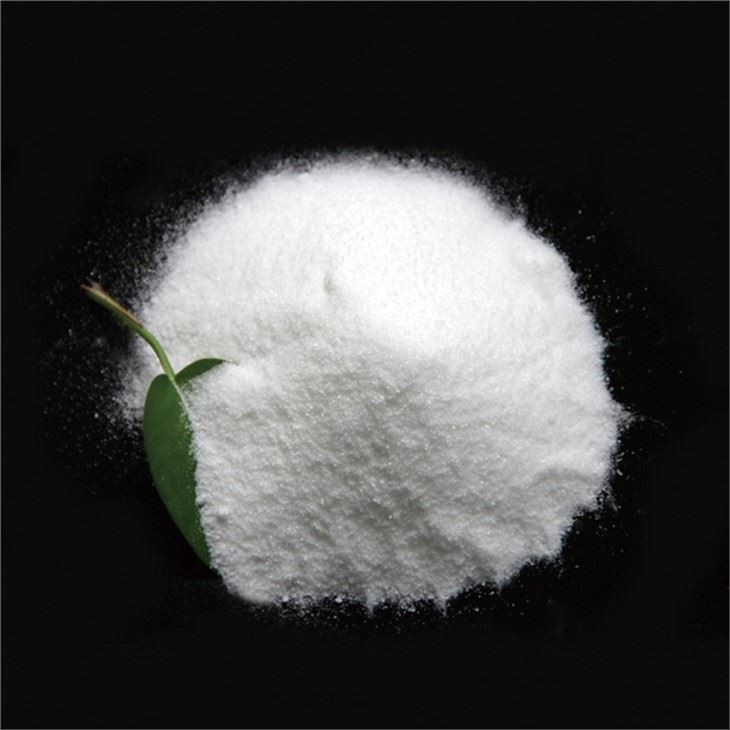

When it comes to making glass, there are several key ingredients and processes involved. The basic components of most types of glass are silica sand, soda ash, and limestone. These are melted together at high temperatures to form the glass. But sometimes, additional chemicals are added to modify the properties of the glass. This is where potassium sulphate can come into play.
One of the main reasons potassium sulphate might be used in glass manufacturing is to improve the melting characteristics of the glass batch. When added to the mix, it can lower the melting point of the other ingredients. This means that less energy is needed to melt the batch, which can save on production costs. It also helps in the homogenization of the glass melt, ensuring that all the components are evenly distributed.
Another benefit is that potassium sulphate can enhance the chemical durability of the glass. Glass is often exposed to various chemicals and environmental conditions, and having good chemical resistance is crucial. Potassium ions from potassium sulphate can help form a more stable glass structure, making it less likely to react with acids, bases, and other substances. This is especially important for glass used in laboratory equipment, chemical storage containers, and other applications where chemical stability is a must.
In addition, potassium sulphate can contribute to the physical properties of the glass. It can improve the refractive index and the strength of the glass. Glass with a higher refractive index can bend light more effectively, which is useful in applications like lenses and optical fibers. And stronger glass is less likely to break or crack, which is beneficial for many everyday and industrial uses.
But, like any ingredient in a manufacturing process, there are also some considerations when using potassium sulphate in glassmaking. One of the main issues is the cost. Potassium sulphate is more expensive than some of the other common additives used in glass manufacturing. So, manufacturers need to weigh the benefits against the additional cost. Another factor is the potential impact on the color of the glass. In some cases, potassium sulphate can introduce a slight tint or discoloration, which might be a problem for applications where clear or color - neutral glass is required.
Now, let's take a look at the different forms of potassium sulphate and how they might be used. The granular form is easy to handle and transport. It can be added directly to the glass batch, and it disperses relatively well during the melting process. The water - soluble fertilizer form can be useful if the glassmaking process involves a wet mixing step. It can be dissolved in water and then added to the batch, ensuring a more uniform distribution of the potassium sulphate. The powder form is fine and has a large surface area, which means it can react more quickly during the melting process.
In the real world, there are some glass manufacturers that do use potassium sulphate. For example, in the production of specialty glasses like high - performance optical glasses and some types of borosilicate glasses. These specialty glasses often require precise control of their properties, and potassium sulphate can play an important role in achieving the desired characteristics.
So, to answer the question, yes, potassium sulphate can be used in glass manufacturing. It has some clear benefits in terms of improving melting properties, chemical durability, and physical characteristics of the glass. However, manufacturers need to consider the cost and potential issues like coloration.
If you're involved in the glass manufacturing industry and are thinking about using potassium sulphate in your processes, I'd be more than happy to have a chat with you. We can discuss which form of potassium sulphate would be the best fit for your specific needs and how it can be integrated into your production line. Whether you're looking for a way to improve the quality of your glass or reduce production costs, we might have the solution. So, don't hesitate to reach out and start a conversation about potential procurement and collaboration.
References:
- Glass Science and Technology textbooks
- Industry reports on glass manufacturing processes