

Over-application of urea fertilizer is a common issue that many farmers and gardeners face. As a urea fertilizer supplier, I've witnessed firsthand the negative impacts of excessive urea use, including soil degradation, water pollution, and reduced crop yields. In this blog post, I'll share some effective strategies to correct over-application of urea fertilizer and help you achieve a healthier and more productive growing environment.
Understanding the Consequences of Over-Application
Before delving into solutions, it's crucial to understand why over-application of urea fertilizer is a problem. Urea is a nitrogen-rich fertilizer that provides essential nutrients for plant growth. However, when applied in excess, it can lead to several adverse effects:
- Soil Acidification: Urea breaks down into ammonium and then into nitrate in the soil. Excessive nitrate can cause soil acidification, which reduces the availability of essential nutrients like calcium, magnesium, and potassium. This can lead to nutrient deficiencies in plants and poor soil structure.
- Water Pollution: Nitrate from over-applied urea can leach into groundwater or runoff into surface water, causing water pollution. High nitrate levels in water can be harmful to human health and aquatic life.
- Reduced Crop Quality and Yield: While nitrogen is essential for plant growth, too much can lead to excessive vegetative growth at the expense of fruit and flower production. This can result in reduced crop quality and yield.
- Increased Pest and Disease Pressure: Over-fertilized plants are often more susceptible to pests and diseases due to their weakened immune systems.
Strategies to Correct Over-Application
1. Soil Testing
The first step in correcting over-application of urea fertilizer is to conduct a soil test. A soil test will provide valuable information about the nutrient levels in your soil, including nitrogen, phosphorus, potassium, and pH. Based on the results, you can determine the appropriate course of action.

- pH Adjustment: If the soil is too acidic due to over-application of urea, you can add lime to raise the pH. Lime is a common soil amendment that helps to neutralize acidity and improve soil structure.
- Nutrient Balancing: The soil test will also indicate if there are any nutrient deficiencies or imbalances. You can then adjust your fertilization program to ensure that your plants are getting the right amount of nutrients.
2. Leaching
Leaching is a process of flushing excess nutrients out of the soil by applying large amounts of water. This can be an effective way to reduce the concentration of nitrate in the soil. However, it's important to note that leaching should be done carefully to avoid water pollution.
- Irrigation Management: If you decide to leach the soil, make sure to use clean water and apply it slowly to allow the water to penetrate the soil. Avoid over-irrigation, as this can lead to waterlogging and further damage to the soil.
- Monitoring: After leaching, it's important to monitor the soil moisture and nutrient levels to ensure that the leaching process has been effective. You may need to repeat the leaching process several times to achieve the desired results.
3. Organic Matter Addition
Adding organic matter to the soil is another effective way to correct over-application of urea fertilizer. Organic matter helps to improve soil structure, increase water holding capacity, and provide a slow-release source of nutrients.
- Compost: Compost is a great source of organic matter that can be added to the soil. It contains a variety of nutrients, including nitrogen, phosphorus, and potassium, as well as beneficial microorganisms that help to break down organic matter and release nutrients slowly.
- Manure: Manure is another option for adding organic matter to the soil. However, it's important to use well-aged manure to avoid introducing pathogens and weed seeds into the soil.
4. Crop Rotation and Cover Crops
Crop rotation and cover crops can also help to correct over-application of urea fertilizer. Crop rotation involves growing different crops in the same field in a sequential manner. This helps to break the cycle of pests and diseases, improve soil fertility, and reduce the need for synthetic fertilizers.
- Cover Crops: Cover crops are plants that are grown between cash crops to protect the soil from erosion, improve soil fertility, and suppress weeds. Leguminous cover crops, such as clover and vetch, can fix nitrogen from the atmosphere and add it to the soil, reducing the need for urea fertilizer.
5. Precision Fertilization
Precision fertilization is a technique that involves applying fertilizers based on the specific needs of the plants and the soil. This can help to reduce the amount of fertilizer applied and minimize the risk of over-application.
- Variable Rate Technology: Variable rate technology (VRT) is a precision fertilization technique that uses GPS and other sensors to apply fertilizers at different rates across a field. This allows farmers to apply the right amount of fertilizer in the right place, based on the soil fertility and crop needs.
- Fertigation: Fertigation is a technique that involves applying fertilizers through an irrigation system. This allows for precise control of the amount and timing of fertilizer application, reducing the risk of over-application.
Choosing the Right Urea Fertilizer
As a urea fertilizer supplier, I understand the importance of choosing the right product for your needs. We offer a range of high-quality urea fertilizers, including Urea Granular Fertilizer and Industrial Grade Urea Fertilizer.
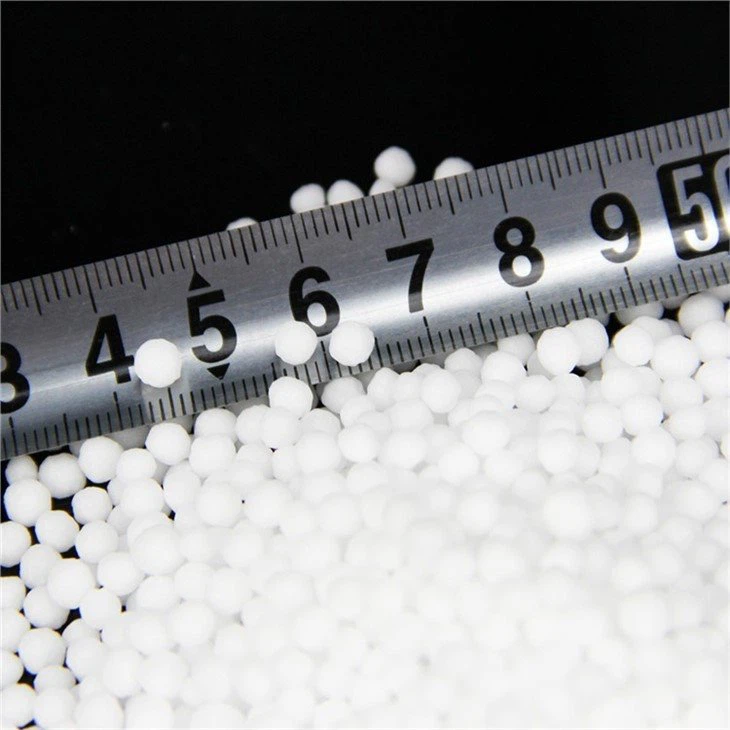
- Urea Granular Fertilizer: Our urea granular fertilizer is a popular choice for farmers and gardeners. It is easy to apply and provides a quick-release source of nitrogen for plant growth.
- Industrial Grade Urea Fertilizer: Our industrial grade urea fertilizer is a high-quality product that is suitable for a variety of industrial applications, including the production of plastics, resins, and adhesives.
Conclusion
Over-application of urea fertilizer can have serious consequences for the environment and crop production. However, by following the strategies outlined in this blog post, you can correct over-application of urea fertilizer and achieve a healthier and more productive growing environment. As a urea fertilizer supplier, I'm committed to providing high-quality products and expert advice to help you achieve your goals. If you have any questions or need further assistance, please don't hesitate to [contact us for procurement and negotiation].
References
- Brady, N. C., & Weil, R. R. (2008). The nature and properties of soils. Pearson Prentice Hall.
- Mengel, K., & Kirkby, E. A. (2001). Principles of plant nutrition. Kluwer Academic Publishers.
- Tisdale, S. L., Nelson, W. L., Beaton, J. D., & Havlin, J. L. (1993). Soil fertility and fertilizers: An introduction to nutrient management. Macmillan.