

Desalination is a crucial process that helps meet the world's growing demand for fresh water. It involves removing salts and other impurities from seawater or brackish water to make it suitable for various uses, including drinking, irrigation, and industrial applications. As a magnesium nitrate supplier, I've been curious about how magnesium nitrate affects the separation of salts in desalination. In this blog, I'll explore this topic in detail and share some insights based on scientific research and industry knowledge.
Understanding the Desalination Process
Before diving into the role of magnesium nitrate, let's briefly understand how desalination works. There are several desalination methods, but the two most common ones are reverse osmosis (RO) and multi - stage flash distillation (MSF).
Reverse osmosis is a membrane - based process. Seawater is forced through a semi - permeable membrane at high pressure. The membrane allows water molecules to pass through while blocking salts and other contaminants. On the other hand, multi - stage flash distillation involves heating seawater and then allowing it to flash (rapidly vaporize) in a series of chambers at successively lower pressures. The vapor is then condensed to produce fresh water.
The Role of Magnesium Nitrate in Desalination
Magnesium nitrate ($Mg(NO_3)_2$) can play several roles in the desalination process, and its impact on salt separation is quite interesting.
1. Altering Solubility
One of the key ways magnesium nitrate affects salt separation is by altering the solubility of other salts in the water. Different salts have different solubilities in water, and these solubilities can be influenced by the presence of other substances. Magnesium nitrate can interact with other salts in seawater, such as sodium chloride ($NaCl$), calcium carbonate ($CaCO_3$), and magnesium hydroxide ($Mg(OH)_2$).
When magnesium nitrate is added to seawater, it can change the ionic strength of the solution. This change in ionic strength can either increase or decrease the solubility of other salts. For example, in some cases, it can cause certain salts to precipitate out of the solution more readily. This is beneficial in desalination because it helps in the separation of salts from the water. If we can make salts precipitate earlier in the process, it becomes easier to remove them, reducing the load on the desalination equipment.
2. Improving Membrane Performance in RO
In reverse osmosis desalination, the performance of the semi - permeable membrane is crucial. Magnesium nitrate can have a positive impact on membrane performance. It can reduce the fouling of the membrane. Fouling occurs when salts, organic matter, and other particles accumulate on the membrane surface, reducing its efficiency and lifespan.
Magnesium nitrate can act as a dispersant. It helps to keep the particles in the water from sticking together and forming large aggregates that can clog the membrane pores. By preventing fouling, magnesium nitrate ensures that the membrane can maintain its high water - flux rate and salt - rejection efficiency over a longer period. This means that the desalination plant can operate more smoothly and with less maintenance.
3. Enhancing Distillation Efficiency in MSF
In multi - stage flash distillation, magnesium nitrate can also be beneficial. It can lower the boiling point of the seawater mixture. When magnesium nitrate is dissolved in seawater, it forms a solution with different physical properties compared to pure seawater. The presence of magnesium nitrate ions disrupts the normal intermolecular forces in the water, making it easier for the water to vaporize at a lower temperature.
This reduction in boiling point means that less energy is required to heat the seawater to the point of vaporization. In a large - scale desalination plant, this can result in significant energy savings. Additionally, it can also help in preventing the formation of scale on the heating surfaces in the distillation chambers. Scale formation is a major problem in MSF desalination as it reduces the heat transfer efficiency and can damage the equipment. Magnesium nitrate can inhibit the precipitation of scale - forming salts on the heating surfaces, thus improving the overall efficiency of the distillation process.
Different Forms of Magnesium Nitrate for Desalination
As a magnesium nitrate supplier, I offer different forms of magnesium nitrate, each with its own advantages for desalination.
- Magnesium Nitrate Crystal: These are pure, well - formed crystals of magnesium nitrate. Magnesium Nitrate Crystal is highly soluble in water, which means it can quickly dissolve in seawater and start interacting with other salts. Its high purity also ensures that there are no unwanted contaminants that could interfere with the desalination process.
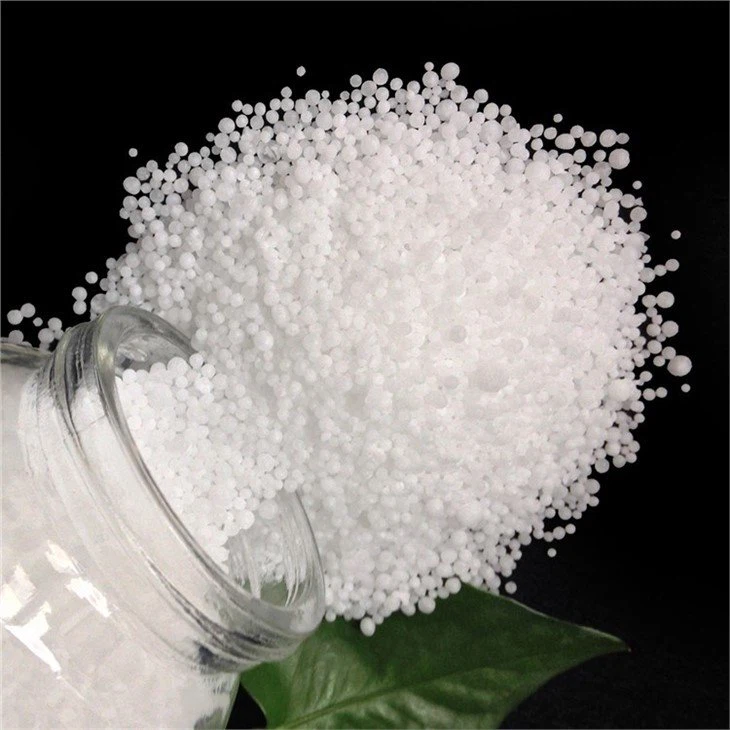
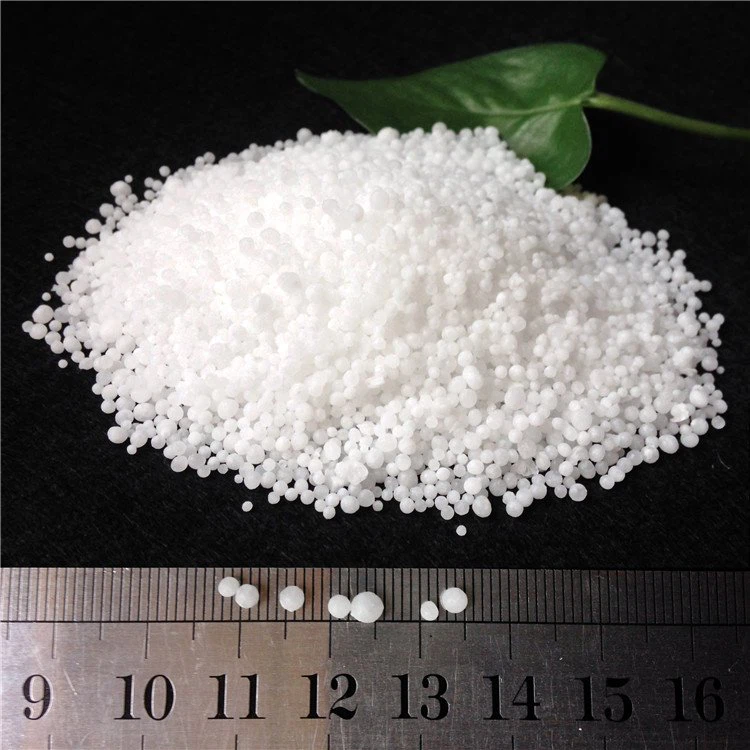
- Magnesium Nitrate Granular: The granular form of magnesium nitrate is easy to handle and store. It has a larger surface area compared to crystals, which allows for faster dissolution in water. This can be an advantage in desalination plants where a rapid onset of the magnesium nitrate's effects is required. Magnesium Nitrate Granular is also less likely to cake or clump during storage, making it a convenient option for large - scale operations.
- Magnesium Nitrate Flake: Flakes of magnesium nitrate offer a good balance between solubility and ease of handling. They are thinner than granules and can dissolve relatively quickly in water. Magnesium Nitrate Flake is often preferred in desalination processes where a more controlled release of magnesium nitrate is desired.
Practical Considerations in Using Magnesium Nitrate for Desalination
While magnesium nitrate has many benefits for desalination, there are also some practical considerations that desalination plant operators need to keep in mind.
1. Dosage
Determining the right dosage of magnesium nitrate is crucial. Too little magnesium nitrate may not have a significant impact on salt separation, while too much can lead to other problems. For example, an excessive amount of magnesium nitrate can increase the nitrate concentration in the desalinated water, which may be a concern for human consumption. It can also increase the cost of the desalination process without providing additional benefits.
2. Compatibility with Other Chemicals
Desalination plants often use a variety of chemicals for different purposes, such as anti - fouling agents, corrosion inhibitors, and pH adjusters. Magnesium nitrate needs to be compatible with these other chemicals. Incompatible chemicals can react with each other, forming unwanted by - products that can affect the desalination process and the quality of the final product.
3. Environmental Impact
The use of magnesium nitrate in desalination also has environmental implications. Nitrate is a nutrient that can cause eutrophication in water bodies if it is released into the environment in large quantities. Desalination plants need to ensure that they have proper treatment and disposal methods in place to minimize the environmental impact of using magnesium nitrate.
Conclusion
In conclusion, magnesium nitrate can have a significant impact on the separation of salts in desalination. It can alter the solubility of salts, improve membrane performance in reverse osmosis, and enhance the efficiency of multi - stage flash distillation. As a magnesium nitrate supplier, I'm excited about the potential of magnesium nitrate in the desalination industry.
If you're involved in a desalination project or are looking for ways to improve the efficiency of your desalination plant, I encourage you to consider using magnesium nitrate. Whether you need Magnesium Nitrate Crystal, Magnesium Nitrate Granular, or Magnesium Nitrate Flake, I can provide you with high - quality products. Contact me to discuss your specific requirements and let's explore how magnesium nitrate can benefit your desalination process.
References
- Elimelech, M., & Phillip, W. A. (2011). The future of seawater desalination: energy, technology, and the environment. Science, 333(6043), 712 - 717.
- Lattemann, S., & Höpner, T. (2008). Environmental impact and impact assessment of seawater desalination. Desalination, 220(1 - 3), 1 - 14.
- Sherwood Lollar, B. S., Frape, S. K., & Fritz, P. (1993). The geochemistry of ancient groundwaters in crystalline rocks of the Canadian Shield. Geochimica et Cosmochimica Acta, 57(23), 5699 - 5711.