

Magnesium nitrate, a chemical compound with the formula Mg(NO₃)₂, is a versatile substance with various industrial applications. As a reliable magnesium nitrate supplier, I often receive inquiries about its properties and potential interactions. One question that has piqued the interest of many is how magnesium nitrate reacts with radioactive substances. In this blog post, I will delve into this topic, exploring the scientific aspects of such reactions and their implications.
Understanding Magnesium Nitrate
Before we discuss its interaction with radioactive substances, let's first understand the basic properties of magnesium nitrate. Magnesium nitrate exists in different forms, including Magnesium Nitrate Granular, Magnesium Nitrate Crystal, and Magnesium Nitrate Flake. These forms have distinct physical characteristics but share similar chemical properties.

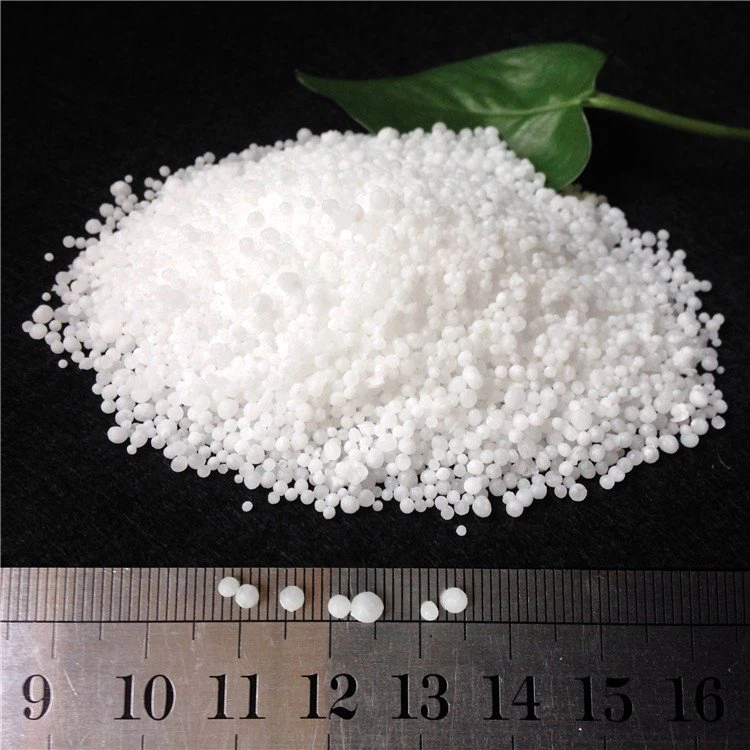
Magnesium nitrate is a highly soluble salt in water, and its aqueous solutions are acidic due to the hydrolysis of the nitrate ions. It is commonly used in the production of fertilizers, pyrotechnics, and as a catalyst in various chemical reactions. The compound is also known for its hygroscopic nature, meaning it can absorb moisture from the air.
Radioactive Substances and Their Reactivity
Radioactive substances are elements or compounds that undergo radioactive decay, emitting radiation in the form of alpha particles, beta particles, or gamma rays. The reactivity of radioactive substances depends on their specific isotopes and the type of radiation they emit. Some radioactive isotopes are highly reactive and can cause significant chemical changes in their surroundings, while others are relatively stable.
When a radioactive substance decays, it releases energy and transforms into a different element or isotope. This process can have various effects on the surrounding environment, including chemical reactions with other substances. The reactivity of radioactive substances is also influenced by factors such as temperature, pressure, and the presence of other chemicals.
Reactions between Magnesium Nitrate and Radioactive Substances
The reaction between magnesium nitrate and radioactive substances is complex and depends on several factors, including the type of radioactive substance, the conditions of the reaction, and the form of magnesium nitrate. In general, magnesium nitrate can act as an oxidizing agent or a ligand in chemical reactions, and its interaction with radioactive substances can lead to various outcomes.
Oxidation Reactions
In the presence of a strong oxidizing radioactive substance, magnesium nitrate can participate in oxidation reactions. For example, if a radioactive metal such as uranium or plutonium is present, magnesium nitrate can oxidize the metal to a higher oxidation state. This reaction can be facilitated by the nitrate ions in magnesium nitrate, which are strong oxidizing agents.
The oxidation reaction between magnesium nitrate and a radioactive metal can be represented by the following general equation:
[Mg(NO₃)₂ + Metal → Mg²⁺ + Metalⁿ⁺ + 2NO₃⁻]
where (n) is the oxidation state of the metal after oxidation.
Complex Formation
Magnesium nitrate can also act as a ligand and form complexes with radioactive metal ions. Ligands are molecules or ions that can donate a pair of electrons to a metal ion, forming a coordinate covalent bond. In the case of magnesium nitrate, the nitrate ions can act as ligands and bind to radioactive metal ions, forming stable complexes.
The formation of complexes between magnesium nitrate and radioactive metal ions can have several effects. It can change the solubility and reactivity of the radioactive metal ions, as well as their ability to interact with other substances. Complex formation can also affect the transport and fate of radioactive substances in the environment.
Radiation-Induced Reactions
The radiation emitted by radioactive substances can also induce chemical reactions in magnesium nitrate. Gamma rays, for example, can ionize the molecules in magnesium nitrate, creating free radicals. These free radicals can then react with other molecules in the system, leading to chemical changes.
Radiation-induced reactions in magnesium nitrate can be particularly important in nuclear waste management. When radioactive waste is stored in the presence of magnesium nitrate, the radiation can cause chemical reactions that may affect the stability and integrity of the waste storage containers. Understanding these reactions is crucial for ensuring the safe storage and disposal of radioactive waste.
Implications of the Reactions
The reactions between magnesium nitrate and radioactive substances have several implications, both in industrial applications and environmental management.
Industrial Applications
In the nuclear industry, the interaction between magnesium nitrate and radioactive substances can be used for various purposes. For example, magnesium nitrate can be used as a chemical reagent in the processing of nuclear fuels. It can help in the separation and purification of radioactive isotopes, as well as in the treatment of nuclear waste.
In addition, the complex formation between magnesium nitrate and radioactive metal ions can be exploited in analytical chemistry. By using magnesium nitrate as a ligand, it is possible to selectively bind and detect radioactive metal ions in a sample. This can be useful in environmental monitoring and nuclear safety applications.
Environmental Management
The reactions between magnesium nitrate and radioactive substances also have important implications for environmental management. When radioactive substances are released into the environment, they can interact with magnesium nitrate and other chemicals present in the soil, water, or air. These interactions can affect the mobility and bioavailability of the radioactive substances, as well as their potential impact on human health and the environment.
Understanding the reactions between magnesium nitrate and radioactive substances is crucial for developing effective strategies for environmental remediation. By knowing how these substances interact, it is possible to design methods for removing or immobilizing radioactive contaminants in the environment.
Conclusion
In conclusion, the reaction between magnesium nitrate and radioactive substances is a complex and fascinating area of study. The interactions can involve oxidation reactions, complex formation, and radiation-induced reactions, and their outcomes depend on several factors. As a magnesium nitrate supplier, I am committed to providing high-quality products and supporting research in this area.
If you are interested in learning more about magnesium nitrate or have specific requirements for your industrial applications, please feel free to contact us for further discussion and procurement. We are here to help you find the best solutions for your needs.
References
- Cotton, F. A.; Wilkinson, G.; Murillo, C. A.; Bochmann, M. (1999). Advanced Inorganic Chemistry (6th ed.). New York: Wiley-Interscience.
- Dean, J. A., ed. (1999). Lange's Handbook of Chemistry (15th ed.). New York: McGraw-Hill.
- Krane, K. S. (1988). Introductory Nuclear Physics. New York: Wiley.