

When it comes to cultivating healthy and vibrant roses, one of the most critical factors to consider is the appropriate NPK ratio in fertilizers. NPK, which stands for nitrogen (N), phosphorus (P), and potassium (K), represents the three primary nutrients that play distinct yet interconnected roles in a plant's development. As a reputable NPK Fertilizer supplier, I am frequently asked about the best NPK ratio for roses. In this blog post, we will delve into the science behind NPK, explore various ratios, and determine which one might be the optimal choice for your rose garden.
Understanding NPK and Its Significance for Roses
Nitrogen (N) is essential for the growth of plant foliage. It is a key component of chlorophyll, the green pigment that enables plants to convert sunlight into energy through photosynthesis. Adequate nitrogen levels result in lush, green leaves and strong stems. However, excessive nitrogen can lead to excessive vegetative growth at the expense of flower production.
Phosphorus (P) is crucial for root development, flowering, and fruiting. It aids in the transfer of energy within the plant and promotes the formation of strong, healthy roots. Roses require a sufficient supply of phosphorus to produce abundant and high - quality blooms.
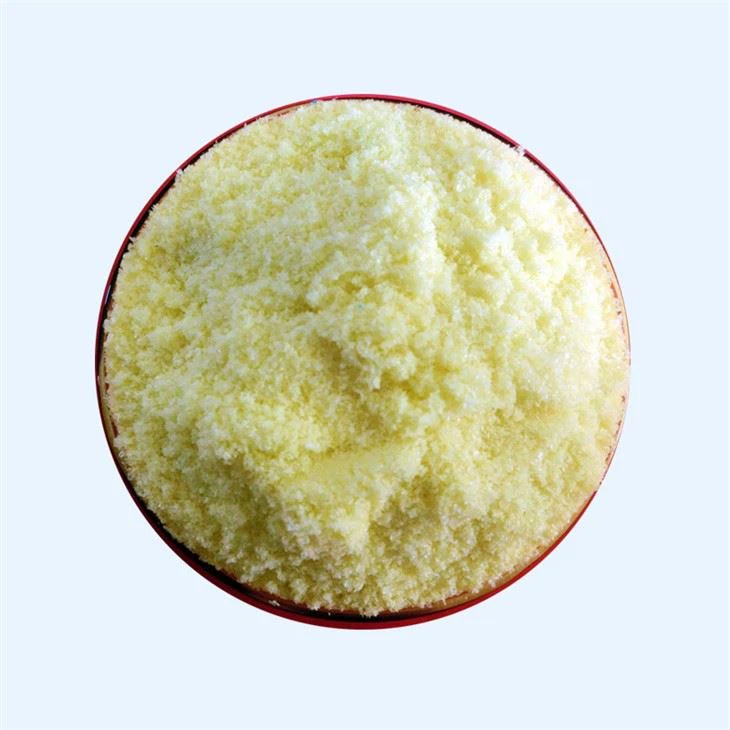

Potassium (K) helps plants resist diseases, stress, and environmental factors. It regulates the plant's water uptake and use, and also plays a role in the synthesis of proteins and starches. Potassium - rich fertilizers can enhance the overall health and vigor of roses, making them more resilient.
Common NPK Ratios for Roses and Their Effects
Balanced Ratios
- 19 - 19 - 19: This 100% Water Soluble NPK Fertilizer 19-19-19 is a well - balanced fertilizer that provides equal amounts of nitrogen, phosphorus, and potassium. It is suitable for general rose care, especially during the early stages of growth. A balanced ratio ensures that the plant receives a comprehensive supply of essential nutrients, promoting overall growth and development. However, it may not be the best choice if the roses are in a specific growth phase that requires a higher concentration of one nutrient over the others.
- 15 - 15 - 15 and 20 - 20 - 20: These NPK 15-15-15, 20-20-20, 10-10-5 Fertilizer ratios are also balanced and can be used to maintain the overall health of roses. They are easy to apply and provide a stable supply of nutrients. Similar to the 19 - 19 - 19 ratio, they are versatile but may not be tailored to the specific needs of roses during different growth stages.
High - Phosphorus Ratios
- 10 - 20 - 10: This ratio is higher in phosphorus than nitrogen and potassium. It is ideal for encouraging blooming. When roses are approaching their flowering period, a high - phosphorus fertilizer can stimulate the formation of flower buds and improve the quality and quantity of blooms. The relatively lower nitrogen content helps prevent excessive vegetative growth, allowing the plant to focus its energy on flower production.
- 5 - 10 - 5: Another high - phosphorus option, this ratio is gentle and can be used for roses that are sensitive to high - strength fertilizers. It is suitable for promoting root development in new plants and encouraging flowering in established ones.
High - Potassium Ratios
- 0 - 0 - 60: A potassium - only fertilizer can be used to strengthen roses, especially during periods of stress such as extreme heat, cold, or disease. It helps the plants build up their defenses and improves their ability to tolerate adverse conditions. However, it should be used in conjunction with other fertilizers that provide nitrogen and phosphorus, as an exclusive use can lead to nutrient imbalances.
Determining the Best NPK Ratio for Your Roses
The best NPK ratio for roses depends on several factors, including the age of the plants, the stage of growth, and the soil conditions.
- Newly Planted Roses: For newly planted roses, a fertilizer with a balanced ratio such as 19 - 19 - 19 or 15 - 15 - 15 is recommended. This helps the plants establish strong roots and healthy foliage. During the initial few weeks of planting, the focus is on overall growth and acclimation to the new environment.
- Established Roses in the Growing Season: As the roses enter the active growing season, a fertilizer with a slightly higher nitrogen content (e.g., 10 - 10 - 5) can be used to promote lush foliage growth. This allows the plants to produce enough energy through photosynthesis to support future bloom production.
- Pre - Bloom Stage: When the roses start to form buds, a high - phosphorus fertilizer like 10 - 20 - 10 is the best choice. It encourages the development of large, vibrant flowers and enhances the aroma of the blooms.
- Post - Bloom Stage: After the roses have finished blooming, a high - potassium fertilizer can be applied to help the plants recover and build up their strength for the next flowering cycle. This also aids in disease resistance and prepares the roses for winter dormancy.
Soil testing is also an important step in determining the right NPK ratio. A soil test can reveal the existing nutrient levels in the soil, allowing you to adjust the fertilizer application accordingly. For example, if the soil is already rich in phosphorus, a high - phosphorus fertilizer may not be necessary.
How to Apply NPK Fertilizers to Roses
- Granular Fertilizers: These are easy to apply and provide a slow - release of nutrients. Sprinkle the granular fertilizer evenly around the base of the rose plants, following the recommended application rate on the package. Be careful not to let the fertilizer touch the stems or leaves, as this can cause burns. After application, water the plants thoroughly to help the nutrients penetrate the soil.
- Liquid Fertilizers: Liquid fertilizers are quickly absorbed by the plants and are ideal for providing a quick boost of nutrients. They can be applied through a watering can or a sprayer. Dilute the liquid fertilizer according to the instructions and apply it to the soil around the base of the roses. Foliar feeding, where the fertilizer is sprayed directly on the leaves, can also be done occasionally, but it should not replace soil application.
Our NPK Fertilizer Offerings
As a leading NPK Fertilizer supplier, we offer a wide range of NPK Nitrogen Phosphorus Potassium fertilizers with different ratios to meet the diverse needs of rose growers. Our products are of high quality, and we ensure that they are formulated to provide the necessary nutrients in the right proportions. Whether you are a home gardener looking to enhance the beauty of your rose bushes or a commercial rose grower aiming for high - yield production, we have the right fertilizer for you.
Conclusion
Choosing the best NPK ratio for roses is a crucial step in ensuring their health and beauty. By understanding the roles of nitrogen, phosphorus, and potassium, and considering the growth stage and soil conditions of your roses, you can select the most appropriate fertilizer. At our company, we are committed to providing you with the best NPK fertilizers to help you achieve outstanding results in your rose garden. If you are interested in our products or have questions about choosing the right NPK ratio for your roses, we encourage you to contact us for a detailed discussion and to start a procurement negotiation.
References
- "The Rose Gardener's Bible" by Felder Rushing and Neil Siping
- "Plant Nutrition: An Introduction" by Horst Marschner
- Cooperative Extension Services Publications on Rose Fertilization