

As a supplier of Diammonium Phosphate (DAP), I often encounter questions from clients regarding the safety of transporting this widely - used fertilizer. In this blog, I will delve into the matter to provide a comprehensive understanding of whether transporting DAP is dangerous.
Understanding Diammonium Phosphate
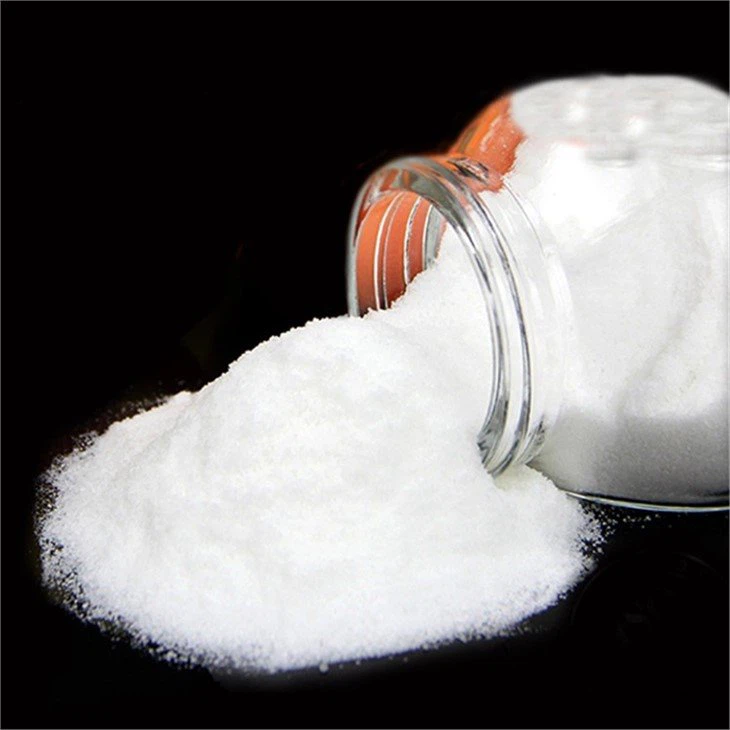
DAP is a popular fertilizer in the agricultural industry. It contains nitrogen and phosphorus, two essential nutrients for plant growth. The chemical formula of DAP is (NH₄)₂HPO₄. It is a white crystalline solid that is highly soluble in water. This solubility makes it an ideal choice for soil application as it can be easily absorbed by plants.
DAP is produced through a chemical reaction between ammonia and phosphoric acid. The resulting product is then granulated for easy handling and application. Its widespread use in agriculture is due to its high nutrient content and effectiveness in promoting crop yields. You can learn more about DAP on our website DAP Diammonium Phosphate.
General Safety Profile of DAP
Under normal conditions, DAP is considered a relatively safe substance. It is not highly reactive, flammable, or explosive. Unlike some other chemicals, it does not pose an immediate threat to human health or the environment when handled properly.
However, like any chemical substance, DAP does have some potential hazards that need to be considered during transportation. These hazards are mainly related to its chemical properties and the conditions under which it is transported.
Potential Hazards During Transportation
Inhalation Hazard
DAP dust can be generated during handling and transportation, especially if the product is not properly contained. Inhaling DAP dust can cause irritation to the respiratory system. Symptoms may include coughing, shortness of breath, and irritation of the nose and throat. Prolonged or repeated exposure to high levels of DAP dust may lead to more serious respiratory problems.
To mitigate this risk, proper dust - control measures should be in place during loading, unloading, and transportation. This may include using enclosed containers, ventilation systems, and personal protective equipment such as respirators for workers.
Contact Hazard
Direct contact with DAP can cause irritation to the skin and eyes. If DAP comes into contact with the skin, it may cause redness, itching, and in severe cases, chemical burns. In the eyes, it can cause irritation, pain, and even damage to the cornea.
During transportation, it is important to ensure that the product is properly packaged to prevent leaks and spills. Workers handling DAP should wear appropriate protective clothing, including gloves and goggles, to avoid direct contact.
Chemical Reactions
Although DAP is not highly reactive, it can react with strong acids, bases, and oxidizing agents. If DAP comes into contact with these substances during transportation, it may lead to chemical reactions that could release heat, gases, or other potentially hazardous by - products.
For example, if DAP is mixed with a strong acid, it may react to produce ammonia gas, which is toxic and can cause respiratory problems. Therefore, it is crucial to separate DAP from incompatible substances during transportation and storage.
Transportation Regulations and Safety Measures
To ensure the safe transportation of DAP, there are strict regulations in place at both national and international levels. These regulations cover aspects such as packaging, labeling, and handling procedures.
Packaging Requirements
DAP must be packaged in suitable containers that can prevent leaks and spills. The packaging materials should be resistant to the chemical properties of DAP and be able to withstand the stresses of transportation. Common packaging options for DAP include plastic bags, drums, and bulk containers.
Labeling Requirements
All packages of DAP must be clearly labeled with information such as the product name, chemical formula, hazard warnings, and handling instructions. This information helps ensure that workers and transportation personnel are aware of the potential hazards associated with the product.
Handling Procedures
Proper handling procedures are essential during transportation. This includes using appropriate equipment for loading and unloading, ensuring that the product is not over - filled in containers, and maintaining proper ventilation in storage areas.
Our Company's Approach to Safe Transportation
As a DAP supplier, we take the safety of transportation very seriously. We adhere to all relevant regulations and implement strict safety measures throughout the transportation process.
Quality Packaging
We use high - quality packaging materials that are specifically designed for DAP. Our packaging is tested to ensure that it can withstand the rigors of transportation and prevent leaks and spills.
Training and Education
We provide comprehensive training to our employees and transportation partners on the proper handling and transportation of DAP. This training includes information on potential hazards, safety procedures, and emergency response measures.
Monitoring and Inspection
We conduct regular monitoring and inspections of our transportation operations to ensure that all safety measures are being followed. This includes checking the condition of the packaging, the proper labeling of products, and the compliance of transportation vehicles with safety standards.
Conclusion
In conclusion, while there are some potential hazards associated with transporting DAP, it is not inherently dangerous if proper safety measures are taken. By understanding the chemical properties of DAP, following transportation regulations, and implementing appropriate safety procedures, the risks can be effectively managed.

As a reliable DAP supplier, we are committed to providing our customers with high - quality products and ensuring their safe transportation. If you are interested in purchasing DAP for your agricultural needs, we invite you to contact us for more information and to discuss your specific requirements. You can also learn more about DAP as an agricultural fertilizer on our website Diammonium Phosphate DAP Agriculture Fertilizer. Contact us today to start the procurement process and take advantage of our expertise in DAP supply.
References
- United Nations Economic Commission for Europe. (2019). Recommendations on the Transport of Dangerous Goods, Model Regulations.
- International Maritime Organization. (2020). International Maritime Dangerous Goods (IMDG) Code.
- World Health Organization. (2018). Guidelines for Chemical Safety.