

Phosphorus is a vital component of NPK fertilizers, and its benefits to plants are numerous and far - reaching. As a supplier of high - quality NPK fertilizers, I have witnessed firsthand how the right amount of phosphorus can transform plant growth and development. In this blog, we will explore in detail how phosphorus in NPK fertilizer benefits plants.
1. Energy Transfer and Storage
One of the primary functions of phosphorus in plants is its role in energy transfer and storage. Phosphorus is a key component of adenosine triphosphate (ATP), which is often referred to as the "energy currency" of the cell. During photosynthesis, plants convert light energy into chemical energy stored in ATP. When the plant needs energy for various metabolic processes such as cell division, nutrient uptake, and protein synthesis, ATP releases its stored energy.
The process of photosynthesis involves the conversion of carbon dioxide and water into glucose and oxygen. This complex biochemical reaction requires energy, which is provided by ATP. Without an adequate supply of phosphorus, the plant would not be able to produce enough ATP, leading to a significant reduction in photosynthetic efficiency. As a result, the plant's growth rate would slow down, and it would be less able to produce the energy - rich molecules necessary for its survival and development.
For example, in crops like wheat, a lack of phosphorus can lead to stunted growth and reduced grain yield. The plant may not be able to produce enough ATP to support the growth of the developing grains, resulting in smaller and fewer grains per spike. By using NPK fertilizers rich in phosphorus, such as NPK 15 - 15 - 15, 20 - 20 - 20, 10 - 10 - 5 Fertilizer, farmers can ensure that their crops have an adequate supply of phosphorus for optimal energy production and growth.
2. Root Development
Phosphorus plays a crucial role in root development. It stimulates root growth, making the root system more extensive and efficient. A well - developed root system is essential for a plant's ability to absorb water and nutrients from the soil. Phosphorus promotes the growth of lateral roots and root hairs, which increase the surface area of the root system, allowing the plant to access a larger volume of soil.
When a plant has a healthy root system, it can better withstand drought conditions. The extensive root system can reach deeper into the soil to access water reserves, reducing the plant's vulnerability to water stress. Additionally, a well - developed root system can more effectively absorb nutrients such as nitrogen and potassium, which are also essential for plant growth.
In horticulture, phosphorus is often used to promote the establishment of young plants. For instance, when transplanting seedlings, adding a phosphorus - rich fertilizer to the soil can help the plant develop a strong root system more quickly. This enables the plant to adapt to its new environment and grow more vigorously. Our NPK Nitrogen Phosphorus Potassium fertilizers are formulated to provide the right balance of nutrients, including phosphorus, to support healthy root development in various plants.
3. Flowering and Fruit Production
Phosphorus is essential for flowering and fruit production in plants. It plays a role in the formation of flower buds and the development of fruits. Phosphorus is involved in the synthesis of nucleic acids, which are necessary for cell division and growth. During the flowering stage, plants require a significant amount of energy and nutrients to produce flowers. Phosphorus helps to ensure that the plant has the resources it needs to develop healthy flowers.
In addition, phosphorus is important for pollination and fertilization. It affects the quality of pollen and the ability of the plant to attract pollinators. A lack of phosphorus can lead to poor flower development, reduced pollination, and lower fruit set. For example, in tomato plants, a phosphorus deficiency can result in fewer flowers and smaller, less - flavorful fruits.
By using a phosphorus - rich NPK fertilizer, such as our 100% Water Soluble NPK Fertilizer 19 - 19 - 19, growers can enhance the flowering and fruit - bearing capacity of their plants. This not only improves the yield but also the quality of the fruits, making them more marketable.
4. Disease Resistance
Phosphorus also contributes to a plant's disease resistance. It helps to strengthen the cell walls of the plant, making it more difficult for pathogens to penetrate and infect the plant. A plant with a strong cell wall is better able to defend itself against diseases such as fungi, bacteria, and viruses.
In addition, phosphorus is involved in the plant's immune response. It activates certain defense mechanisms within the plant, such as the production of phytoalexins, which are natural compounds that help the plant fight off pathogens. When a plant is under attack by a pathogen, it needs to mobilize its defense mechanisms quickly. Phosphorus ensures that the plant has the energy and resources to mount an effective defense.
For example, in grapevines, a sufficient supply of phosphorus can reduce the incidence of diseases such as powdery mildew. The strengthened cell walls and enhanced immune response make the grapevines more resistant to the fungus, resulting in healthier plants and better - quality grapes.
5. Nutrient Uptake and Utilization
Phosphorus affects the plant's ability to take up and utilize other nutrients. It interacts with other nutrients in the soil and within the plant to ensure that they are properly absorbed and used. For example, phosphorus can enhance the uptake of nitrogen by the plant. It helps to convert nitrogen into forms that are more readily available for the plant to use, such as amino acids and proteins.

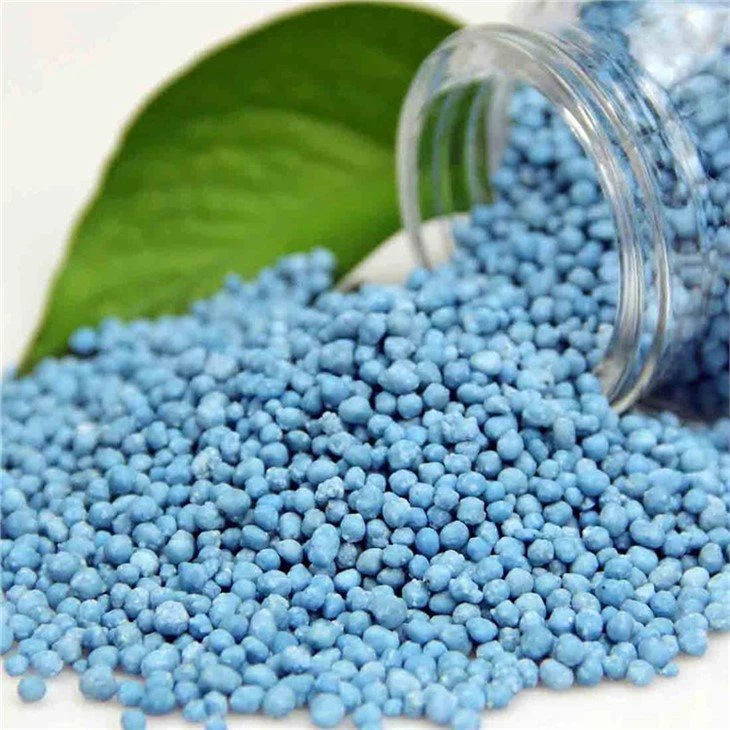
Phosphorus also plays a role in the uptake of micronutrients such as iron, zinc, and manganese. It helps to maintain the proper balance of these micronutrients in the plant, which is essential for various physiological processes. A deficiency in phosphorus can disrupt the uptake and utilization of other nutrients, leading to nutrient imbalances and poor plant growth.
In some cases, the application of phosphorus can correct nutrient deficiencies in the plant. For example, if a plant is showing symptoms of iron deficiency, adding a phosphorus - rich fertilizer can sometimes improve the plant's ability to take up iron from the soil. This is because phosphorus can change the chemical properties of the soil and the root environment, making iron more available to the plant.
Conclusion
In conclusion, phosphorus in NPK fertilizers is essential for plant growth and development. Its benefits range from energy transfer and storage to root development, flowering and fruit production, disease resistance, and nutrient uptake and utilization. As a supplier of NPK fertilizers, we are committed to providing high - quality products that contain the right amount of phosphorus to meet the needs of different plants.
If you are interested in learning more about our NPK fertilizers or would like to discuss your specific fertilization requirements, please feel free to reach out. We are here to help you achieve optimal plant growth and maximize your yields.
References
- Marschner, H. (2012). Mineral Nutrition of Higher Plants. Academic Press.
- Epstein, E., & Bloom, A. J. (2005). Mineral Nutrition of Plants: Principles and Perspectives. Sinauer Associates.
- Taiz, L., & Zeiger, E. (2010). Plant Physiology. Sinauer Associates.