

Magnesium sulphate, a compound with the chemical formula MgSO₄, is a well - known and widely used substance in various industries, especially in agriculture. As a magnesium sulphate supplier, I have witnessed firsthand how this compound can have profound effects on soil quality. In this blog, we will explore the multiple ways in which magnesium sulphate impacts soil and, by extension, plant growth.
1. Nutrient Enrichment
One of the primary roles of magnesium sulphate in soil is to provide essential nutrients. Magnesium is a crucial element for plants as it is the central atom in the chlorophyll molecule. Chlorophyll is responsible for photosynthesis, the process by which plants convert sunlight into chemical energy. When magnesium levels in the soil are low, plants may exhibit symptoms of magnesium deficiency, such as yellowing between the veins of older leaves. By adding magnesium sulphate to the soil, we can replenish the magnesium content, ensuring that plants have an adequate supply for healthy growth.
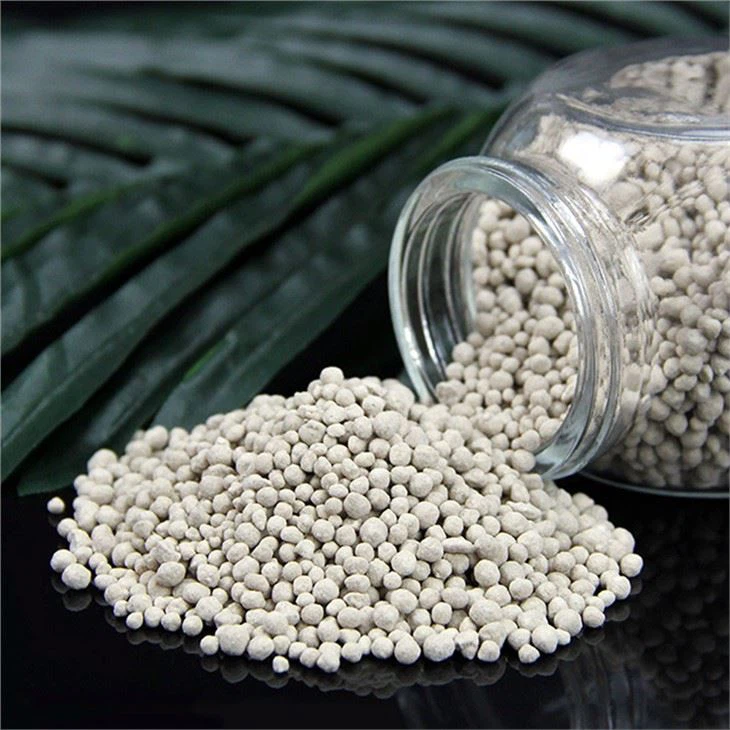
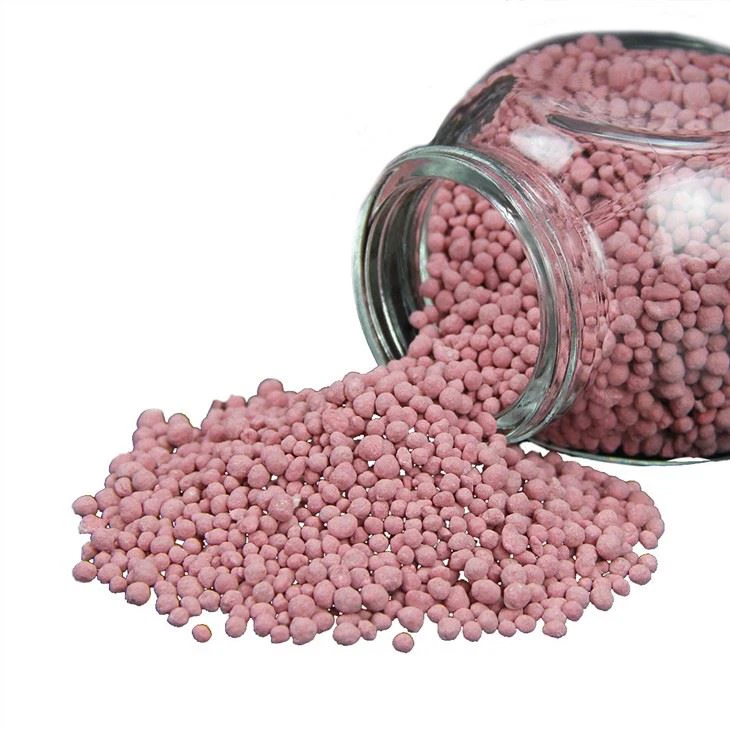
Sulphur, another component of magnesium sulphate, is also vital for plant development. It is involved in the synthesis of proteins, vitamins, and enzymes. Sulphur deficiency can lead to stunted growth, reduced yield, and poor quality of agricultural products. Our Synthetic Kieserite Granular is an excellent source of both magnesium and sulphur, which can be easily absorbed by plants. When applied to the soil, it gradually releases these nutrients, providing a long - term supply for the growing plants.
2. Soil Structure Improvement
Magnesium sulphate can also play a role in improving soil structure. In soils with high sodium content, the sodium ions can cause the soil particles to disperse, leading to poor soil aggregation. This results in a soil that is difficult to till, has low water infiltration rates, and is prone to erosion. Magnesium ions from magnesium sulphate can replace the sodium ions on the soil particles, promoting flocculation and aggregation of the soil.
This improvement in soil structure has several benefits. Firstly, it enhances water infiltration and drainage. Water can penetrate the soil more easily, reducing the risk of waterlogging, which can be harmful to plant roots. Secondly, it increases the soil's porosity, allowing for better air circulation in the root zone. Adequate oxygen supply is essential for root respiration and the growth of beneficial soil microorganisms. Our Magnesium Sulphate Granular can be effectively used to address soil structure issues, especially in areas with saline or sodic soils.
3. pH Regulation
The pH of the soil is an important factor that affects nutrient availability to plants. Most plants prefer a slightly acidic to neutral soil pH (around 6.0 - 7.0). Magnesium sulphate can have a buffering effect on soil pH. In acidic soils, the addition of magnesium sulphate can help to raise the pH slightly, making the soil more suitable for plant growth. This is because the magnesium and sulphate ions can react with the hydrogen ions in the soil, reducing their concentration.
Conversely, in alkaline soils, magnesium sulphate can also have a beneficial effect. It can help to release some of the nutrients that are otherwise locked up in the soil due to high pH. For example, iron, manganese, and zinc are more available to plants at lower pH levels. By slightly acidifying the soil, magnesium sulphate can increase the solubility of these micronutrients, making them more accessible to plant roots. Our Magnesium Sulphate Heptahydrate can be used for pH regulation in different types of soils, depending on the specific needs of the plants.
4. Impact on Soil Microorganisms
Soil microorganisms play a crucial role in soil fertility and plant health. They are involved in processes such as decomposition of organic matter, nutrient cycling, and disease suppression. Magnesium sulphate can have a positive impact on the activity and diversity of soil microorganisms.
Magnesium is an essential nutrient for many soil microorganisms. It is required for the proper functioning of their enzymes and metabolic processes. By providing an additional source of magnesium through magnesium sulphate, we can stimulate the growth and activity of beneficial soil bacteria and fungi. These microorganisms help to break down organic matter in the soil, releasing nutrients in a form that can be easily absorbed by plants. They also produce substances that can enhance plant growth and protect plants from diseases.
5. Influence on Crop Yield and Quality
The combined effects of magnesium sulphate on soil quality ultimately translate into improved crop yield and quality. When plants have access to sufficient magnesium and sulphur, they can grow more vigorously, produce more leaves, flowers, and fruits. The improved soil structure allows for better root development, which in turn enables plants to take up more water and nutrients from the soil.
In addition, the availability of micronutrients due to pH regulation and the activity of soil microorganisms can enhance the nutritional value of the crops. For example, fruits and vegetables grown in soils with adequate magnesium and sulphur levels may have higher vitamin and mineral content, making them more nutritious for human consumption.
Considerations for Application
When applying magnesium sulphate to the soil, it is important to consider several factors. Firstly, the soil type and its existing nutrient status should be determined through soil testing. This will help to determine the appropriate amount of magnesium sulphate to apply. Over - application can lead to an imbalance of nutrients in the soil and may have negative environmental impacts.
Secondly, the timing of application is crucial. For most crops, it is best to apply magnesium sulphate before planting or during the early stages of growth. This allows the plants to have access to the nutrients when they need them most. Different forms of magnesium sulphate, such as our Synthetic Kieserite Granular, Magnesium Sulphate Heptahydrate, and Magnesium Sulphate Granular, may have different release rates and application methods, so it is important to follow the recommended guidelines.
Conclusion
In conclusion, magnesium sulphate has a wide range of positive effects on soil quality. It enriches the soil with essential nutrients, improves soil structure, regulates soil pH, promotes the activity of soil microorganisms, and ultimately leads to increased crop yield and quality. As a magnesium sulphate supplier, we are committed to providing high - quality products that can help farmers and gardeners achieve better results in their agricultural activities.
If you are interested in purchasing our magnesium sulphate products or have any questions about their application, please feel free to contact us for further discussion. We are here to assist you in making the most of the benefits that magnesium sulphate can offer for your soil and crops.
References
- Brady, N. C., & Weil, R. R. (2008). The Nature and Properties of Soils. Pearson Prentice Hall.
- Marschner, H. (2012). Mineral Nutrition of Higher Plants. Academic Press.
- Mengel, K., & Kirkby, E. A. (2001). Principles of Plant Nutrition. Kluwer Academic Publishers.