

Hey there, fellow hydroponics enthusiasts! I'm a supplier of Calcium Nitrate, and today I'm stoked to share with you how to prepare a Calcium Nitrate solution for hydroponics. Whether you're a newbie or a seasoned pro, getting this right is crucial for the health and growth of your plants.
Why Calcium Nitrate in Hydroponics?
First off, let's talk about why Calcium Nitrate is such a big deal in hydroponics. Calcium is essential for cell wall development in plants. It helps in maintaining the structural integrity of the plant cells, making them more resistant to diseases and environmental stresses. Nitrate, on the other hand, is a readily available source of nitrogen, which is a key component of chlorophyll. Chlorophyll is what allows plants to carry out photosynthesis, the process that turns sunlight into energy. So, in a nutshell, Calcium Nitrate provides two vital nutrients that are essential for plant growth and development.
Types of Calcium Nitrate
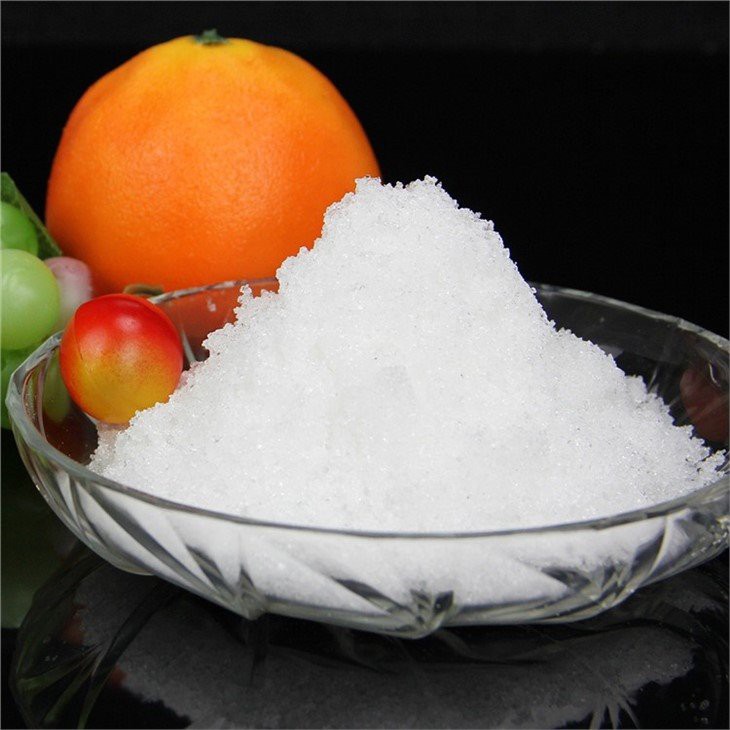
We offer two main types of Calcium Nitrate: Calcium Nitrate Crystal and Calcium Nitrate Granular.
The crystal form dissolves quickly in water, which is great if you need to prepare the solution on the fly. It's also a good option if you're using a smaller hydroponic system where a faster dissolution rate is beneficial.
The granular form, on the other hand, is more suitable for larger systems. It dissolves a bit slower but provides a more sustained release of nutrients over time. So, depending on your setup and needs, you can choose the type that works best for you.
Step-by-Step Guide to Preparing the Solution
Step 1: Gather Your Materials
Before you start, make sure you have all the necessary materials. You'll need:
- Calcium Nitrate (either crystal or granular, depending on your preference)
- A clean container for mixing the solution. It should be large enough to hold the volume of solution you want to prepare.
- A measuring cup or scale to accurately measure the Calcium Nitrate.
- A stirrer, like a long spoon or a small paddle, to mix the solution.
- Distilled or filtered water. Tap water may contain impurities that can affect the quality of the solution.
Step 2: Determine the Concentration
The concentration of the Calcium Nitrate solution depends on the type of plants you're growing and their growth stage. As a general rule of thumb, a concentration of 150 - 200 ppm (parts per million) of Calcium is suitable for most hydroponic plants during the vegetative stage. During the flowering and fruiting stage, you may need to increase the concentration slightly to 200 - 250 ppm.
To calculate the amount of Calcium Nitrate needed, you can use the following formula:
[
\text{Amount of Calcium Nitrate (g)}=\frac{\text{Desired ppm of Calcium}\times\text{Volume of solution (L)}}{1000\times\text{Calcium content in Calcium Nitrate}}
]
For example, if you want to prepare 10 liters of a solution with a Calcium concentration of 200 ppm, and the Calcium content in your Calcium Nitrate is 19% (0.19), the calculation would be:
[
\text{Amount of Calcium Nitrate (g)}=\frac{200\times10}{1000\times0.19}\approx10.53\text{ g}
]
Step 3: Measure the Calcium Nitrate
Once you've calculated the amount of Calcium Nitrate needed, use your measuring cup or scale to measure it accurately. If you're using the crystal form, it's usually easier to measure by weight. For the granular form, you can measure by volume, but make sure to use a standard measuring cup for accurate results.
Step 4: Add Water to the Container
Pour the appropriate amount of distilled or filtered water into the clean container. Leave some space at the top to allow for mixing.
Step 5: Add the Calcium Nitrate
Slowly add the measured Calcium Nitrate to the water. As you add it, start stirring the solution gently with your stirrer. This helps to prevent clumping and ensures that the Calcium Nitrate dissolves evenly in the water.
Step 6: Mix the Solution Thoroughly
Keep stirring the solution for at least 5 - 10 minutes, or until all the Calcium Nitrate has completely dissolved. If you're using the granular form, it may take a bit longer to dissolve. You can also let the solution sit for a while and stir it occasionally to speed up the dissolution process.
Step 7: Check the pH and EC
After the solution is well-mixed, it's important to check the pH and electrical conductivity (EC). The pH of the solution should be between 5.5 and 6.5 for most hydroponic plants. You can use a pH meter or pH test strips to measure the pH. If the pH is too high or too low, you can adjust it using pH up or pH down solutions.
The EC measures the concentration of nutrients in the solution. The ideal EC value depends on the type of plants and their growth stage. You can use an EC meter to measure the EC. If the EC is too high, you can dilute the solution with more water. If it's too low, you can add a bit more Calcium Nitrate.

Tips for Using the Solution
- Store the solution properly: Once you've prepared the solution, store it in a cool, dark place. This helps to prevent the growth of algae and bacteria, which can affect the quality of the solution.
- Monitor the plants: Keep an eye on your plants for any signs of nutrient deficiencies or toxicities. If you notice any problems, adjust the concentration of the solution accordingly.
- Change the solution regularly: It's a good idea to change the Calcium Nitrate solution every 1 - 2 weeks to ensure that the plants have a fresh supply of nutrients.
Contact for Purchase and Consultation
If you're interested in purchasing Calcium Nitrate for your hydroponic system, or if you have any questions about preparing the solution or using it in your setup, don't hesitate to reach out. We're here to help you make the most of your hydroponic gardening experience. Just drop us a message, and we'll get back to you as soon as possible.
References
- Resh, H. M. (2013). Hydroponic Food Production: A Definitive Guidebook of Soilless Food-Growing Methods. CRC Press.
- Savvas, D., & Gizas, I. (2012). Hydroponic Production of Vegetables. Springer Science & Business Media.