

Hey there! I'm a supplier of Diammonium Phosphate (DAP), and I've been in this business for quite a while. DAP is a widely used fertilizer in the agricultural industry, known for its high nutrient content and effectiveness in promoting plant growth. But like any other product, DAP can deteriorate over time, and it's crucial for both suppliers and farmers to recognize the signs of deterioration.
Physical Changes
One of the most obvious signs of DAP deterioration is a change in its physical appearance. When DAP is in good condition, it typically comes in the form of white or off - white granules. These granules are usually uniform in size and have a smooth texture.
However, if you notice that the DAP granules are starting to clump together, it's a red flag. Clumping can occur due to exposure to moisture. DAP is hygroscopic, which means it can absorb water from the surrounding environment. Once it absorbs moisture, the granules can stick to each other, forming large clumps. This not only makes it difficult to spread the fertilizer evenly but also indicates that the chemical composition of the DAP might be changing. You can check out more about DAP on this page Diammonium Phosphate DAP Agriculture Fertilizer.
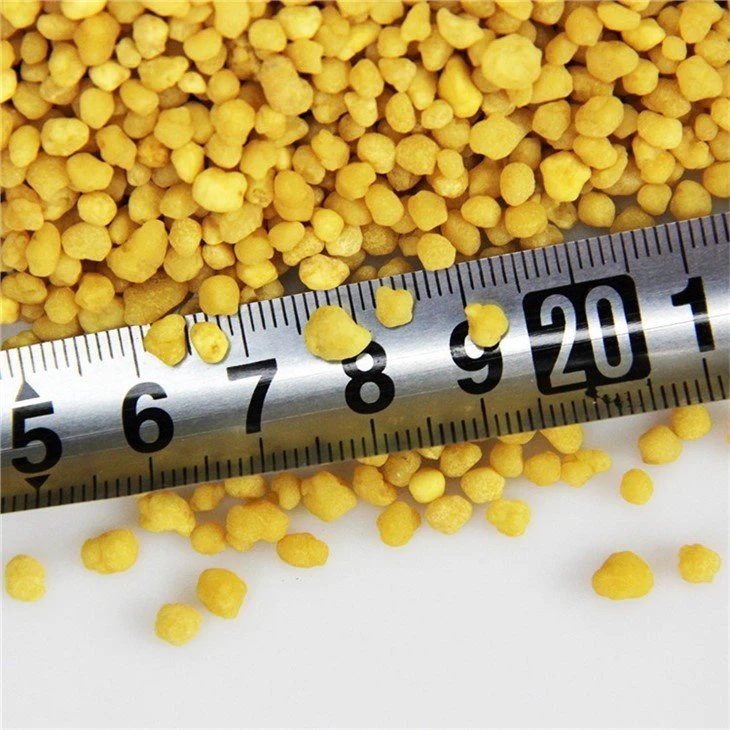

Another physical change to watch out for is discoloration. If the DAP turns yellow, brown, or has any other unusual color, it could be a sign of deterioration. Discoloration might be caused by oxidation or the presence of impurities. Oxidation can occur when DAP is exposed to air for an extended period, especially in high - temperature conditions. Impurities can come from the manufacturing process or from contamination during storage and transportation.
Chemical Changes
DAP has a specific chemical formula, (NH₄)₂HPO₄, and it contains nitrogen and phosphorus, two essential nutrients for plants. When DAP deteriorates, its chemical composition can change, which affects its nutrient content.
One of the main chemical changes is the loss of ammonia. Ammonia is a volatile compound, and over time, it can escape from the DAP. You can detect the loss of ammonia by its pungent smell. If you open a bag of DAP and smell a strong, unpleasant odor similar to that of ammonia, it's likely that some of the nitrogen in the DAP has been lost. The loss of nitrogen reduces the fertilizer's effectiveness, as nitrogen is crucial for plant growth, especially for the development of leaves and stems.
The solubility of DAP can also change when it deteriorates. In its normal state, DAP is highly soluble in water, which allows plants to easily absorb the nutrients. But if the DAP has deteriorated, it might not dissolve as well. You can test the solubility by taking a small amount of DAP and adding it to a glass of water. Stir the water and observe how quickly the DAP dissolves. If there are a lot of undissolved particles left at the bottom of the glass, it could mean that the DAP has deteriorated. More details about DAP's properties can be found here DAP Diammonium Phosphate.
Microbiological Contamination
Microbiological contamination is another factor that can lead to DAP deterioration. Microorganisms such as bacteria, fungi, and molds can grow on the surface of DAP granules if the storage conditions are not right. High humidity and warm temperatures provide an ideal environment for these microorganisms to thrive.
If you see any signs of mold or fungus on the DAP, it's a clear indication of contamination. Mold growth not only affects the quality of the DAP but can also pose a health risk to those handling the fertilizer. In addition, microorganisms can break down the DAP, altering its chemical composition and reducing its nutrient content.
Storage and Handling Impact
The way DAP is stored and handled can have a significant impact on its deterioration rate. Storing DAP in a damp or humid environment is a major no - no. As mentioned earlier, DAP is hygroscopic, so it will absorb moisture from the air if the storage area is not dry. A warehouse with poor ventilation can also lead to high humidity levels, increasing the risk of clumping and chemical changes.
Improper handling during transportation can also cause damage to DAP. Rough handling can break the granules, increasing their surface area and making them more susceptible to moisture absorption and chemical reactions. It's important to ensure that DAP is stored in sealed containers and transported in a way that minimizes damage.
Importance of Recognizing Deterioration
As a DAP supplier, it's my responsibility to provide high - quality products to farmers. Recognizing the signs of DAP deterioration helps me ensure that the fertilizer I'm selling is in good condition. For farmers, using deteriorated DAP can lead to poor crop yields. Since DAP is a key source of nitrogen and phosphorus for plants, a decrease in its nutrient content can result in stunted growth, yellowing leaves, and lower overall productivity.
Moreover, using deteriorated DAP can also have environmental implications. If the fertilizer doesn't dissolve properly or if its nutrient content is not balanced, it can lead to nutrient runoff. Nutrient runoff can contaminate water sources, causing problems such as algal blooms and eutrophication.
How to Prevent Deterioration
To prevent DAP from deteriorating, proper storage is essential. Store DAP in a dry, well - ventilated area away from direct sunlight and sources of heat. Make sure the storage containers are sealed tightly to prevent moisture from getting in.
When it comes to transportation, use appropriate packaging to protect the DAP from physical damage. And if you're a farmer, try to use the DAP as soon as possible after purchase to minimize the time it spends in storage.
Contact for Purchase
If you're in the market for high - quality DAP, don't hesitate to reach out. I'm committed to providing the best DAP products that are free from deterioration. Whether you're a small - scale farmer or a large agricultural enterprise, I can offer you the right quantity and quality of DAP to meet your needs. Let's start a conversation about your fertilizer requirements and how I can help you achieve better crop yields.
References
- Fertilizer Manual: A Comprehensive Guide to Fertilizer Use and Management
- Journal of Agricultural Chemistry and Fertilizer Science