

Hey there, fellow plant enthusiasts! As a supplier of high - quality urea fertilizer, I've been getting a lot of questions lately about how urea fertilizer affects plant color. So, I thought I'd dive deep into this topic and share some insights with you.
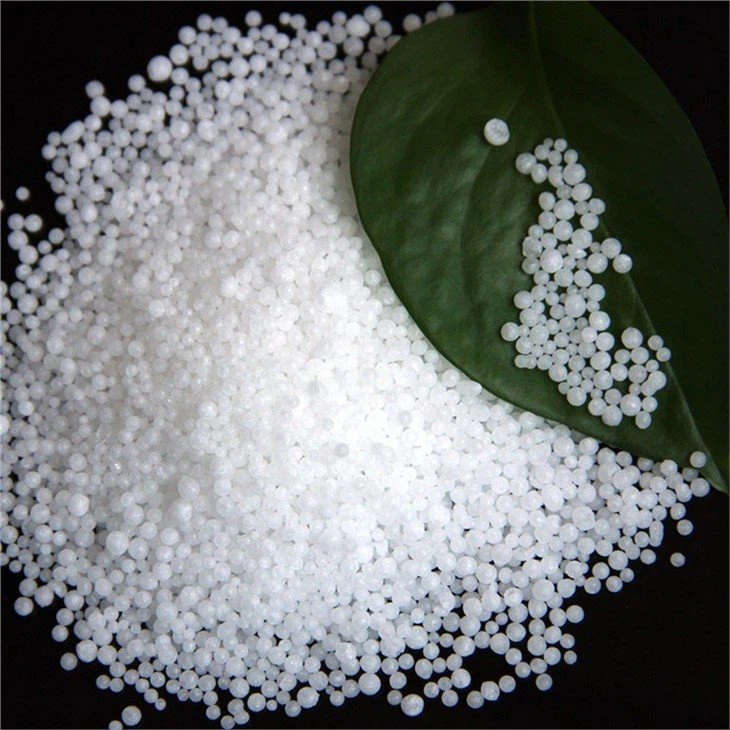

First off, let's talk about what urea fertilizer is. Urea is a white, crystalline organic compound that's rich in nitrogen. Nitrogen is an essential nutrient for plants, and it plays a crucial role in many of their physiological processes. In fact, it's one of the three primary macronutrients that plants need, along with phosphorus and potassium.
Now, when it comes to plant color, nitrogen has a significant impact. Chlorophyll, the pigment that gives plants their green color, contains nitrogen. Chlorophyll is essential for photosynthesis, the process by which plants convert sunlight into energy. When plants have enough nitrogen, they can produce an adequate amount of chlorophyll, which results in a vibrant, healthy green color.
When you apply urea fertilizer to your plants, you're essentially providing them with a concentrated source of nitrogen. This extra nitrogen can boost chlorophyll production, making your plants greener and lusher. For example, in lawns, a well - timed application of urea fertilizer can turn a dull, yellowish lawn into a thick, emerald - green carpet. In agricultural crops like wheat or corn, proper nitrogen fertilization with urea can enhance the overall color and vigor of the plants, leading to better yields.
But it's not just about making plants greener. Urea fertilizer can also affect other aspects of plant color in different plant species. Some ornamental plants may develop more intense flower colors when they receive the right amount of nitrogen from urea. This is because nitrogen is involved in the synthesis of various pigments and secondary metabolites in plants. For instance, in some flowering shrubs, a balanced supply of nitrogen can make the petals more vivid and the colors more saturated.
However, like anything in life, too much of a good thing can be bad. Over - applying urea fertilizer can have negative effects on plant color. When there's an excessive amount of nitrogen in the soil, plants may become overly lush and green, but they can also be more susceptible to diseases and pests. In some cases, the leaves may turn a dark, almost blackish - green color, which is a sign of nitrogen toxicity. This can also lead to weak stems and poor overall plant health.
Another potential issue with over - fertilization is that it can disrupt the balance of other nutrients in the soil. For example, high levels of nitrogen can interfere with the uptake of other essential elements like calcium and magnesium. This imbalance can cause yellowing or browning of the leaves, which is known as chlorosis. Chlorosis can make the plants look sickly and reduce their aesthetic appeal.
So, how do you ensure that you're using urea fertilizer correctly to achieve the best plant color? Well, it all starts with soil testing. Before applying urea fertilizer, it's a good idea to test your soil to determine its nutrient content. This will help you figure out how much nitrogen your plants actually need. You can then calculate the appropriate amount of urea fertilizer to apply based on the test results.
It's also important to consider the timing of fertilizer application. Different plants have different nitrogen requirements at different stages of their growth. For example, annual flowers may need more nitrogen during the vegetative growth stage to develop strong foliage, but less during the flowering stage to encourage better flower production.
Now, let me tell you a bit about the types of urea fertilizers we offer. We have Urea Granular Fertilizer, which is great for general - purpose use. The granules are easy to spread and can be incorporated into the soil or used as a top - dressing. Our Industrial Grade Urea Fertilizer is suitable for large - scale agricultural operations. It has a high nitrogen content and is formulated to meet the demanding needs of commercial growers.
If you're interested in purchasing our urea fertilizers or have more questions about how they can affect plant color in your specific situation, don't hesitate to reach out. Whether you're a home gardener looking to spruce up your backyard or a large - scale farmer aiming for better crop yields, we're here to help. We can provide you with expert advice on fertilizer application rates, timing, and other best practices to ensure that your plants look their best.
In conclusion, urea fertilizer can have a profound effect on plant color. When used correctly, it can enhance the greenness of foliage, intensify flower colors, and improve the overall health and appearance of plants. But it's crucial to use it in moderation and follow proper fertilization practices. So, if you're looking to give your plants a color boost, consider our high - quality urea fertilizers. Contact us today to start a conversation about your fertilization needs!
References
- Marschner, H. (1995). Mineral Nutrition of Higher Plants. Academic Press.
- Brady, N. C., & Weil, R. R. (2002). The Nature and Properties of Soils. Prentice Hall.