

Hey there! I'm a supplier of urea fertilizer, and today I want to chat about how urea fertilizer interacts with pesticides. It's a topic that's super important for farmers and anyone involved in agriculture, so let's dive right in.

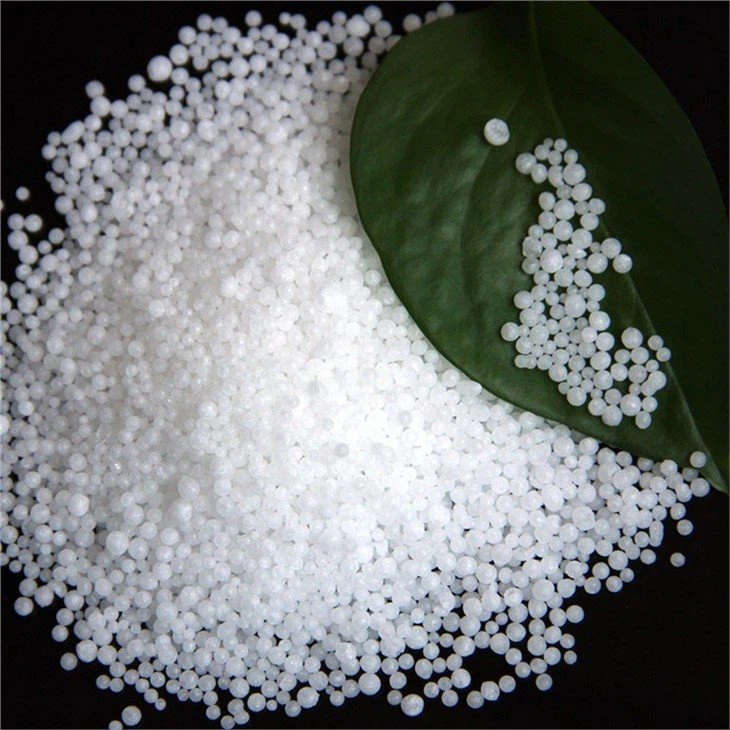
First off, let's talk a bit about urea fertilizer itself. Urea is one of the most widely used nitrogen fertilizers out there. It's highly soluble in water, which makes it easy to apply, whether you're using it in a granular form or as a water - soluble solution. We offer both Industrial Grade Urea Fertilizer and Urea Granular Fertilizer, catering to different needs of our customers.
Now, when it comes to the interaction between urea fertilizer and pesticides, there are a few key aspects to consider.
Chemical Interactions
One of the main things to think about is the chemical reaction that can occur between urea and pesticides. Urea contains nitrogen in the form of amide groups. When it's applied to the soil, it undergoes hydrolysis, which is basically a reaction with water. This process is catalyzed by the enzyme urease, which is present in the soil.
Some pesticides can affect the activity of urease. For example, certain organophosphate pesticides can inhibit urease activity. If urease is inhibited, the hydrolysis of urea is slowed down. This means that the release of nitrogen from urea is delayed, and plants may not get the nitrogen they need at the right time. On the other hand, some pesticides might enhance urease activity, causing urea to break down too quickly. This can lead to nitrogen loss through volatilization, where the nitrogen escapes into the atmosphere as ammonia gas.
Another chemical interaction is related to the pH of the soil. Urea hydrolysis can increase the pH of the soil in the vicinity of the fertilizer granules. Some pesticides are more stable at certain pH levels. For instance, some herbicides may become less effective or even break down more rapidly in a high - pH environment created by urea hydrolysis. So, if you're using a pesticide that's sensitive to pH, you need to be careful about when and how you apply urea.
Physical Interactions
Physically, the way urea and pesticides are applied can also impact their interaction. If you're using a granular form of urea and you're applying a granular pesticide at the same time, they might not mix evenly in the soil. This can lead to uneven distribution of both the fertilizer and the pesticide. For example, if the urea granules are concentrated in one area and the pesticide granules are concentrated in another, the plants in different parts of the field may receive different amounts of nitrogen and pest control.
When it comes to liquid applications, if you're mixing urea solution with a pesticide solution, you need to make sure they're compatible. Some pesticides may form precipitates when mixed with urea solution, which can clog your spraying equipment. This not only affects the proper application of the products but can also damage your machinery.
Biological Interactions
The presence of urea can have an impact on the soil microbiome, which in turn can interact with pesticides. Urea provides a source of nitrogen for soil microorganisms. When you apply urea, it can stimulate the growth of certain bacteria and fungi in the soil.
Some of these microorganisms can break down pesticides. For example, some bacteria can metabolize pesticides, turning them into less toxic or inactive compounds. So, the addition of urea may enhance the biodegradation of pesticides in the soil. However, it's not always a straightforward process. Some pesticides may also inhibit the growth of beneficial soil microorganisms that are involved in nutrient cycling and plant health.
Effects on Plant Health
The interaction between urea fertilizer and pesticides can have a direct impact on plant health. If the chemical, physical, or biological interactions are not managed properly, it can lead to reduced plant growth and yield.
As I mentioned earlier, if the nitrogen release from urea is delayed or too rapid due to pesticide interaction, the plants may experience nitrogen deficiency or toxicity. Nitrogen deficiency can cause stunted growth, yellowing of leaves, and reduced photosynthesis. On the other hand, nitrogen toxicity can lead to excessive vegetative growth, making the plants more susceptible to diseases and pests.
Pesticide efficacy can also be affected. If the pesticide breaks down too quickly or is not evenly distributed due to its interaction with urea, the plants may not be adequately protected from pests and diseases. This can result in crop damage and economic losses for farmers.
Practical Tips for Farmers
So, what can farmers do to manage the interaction between urea fertilizer and pesticides?
First, it's important to read the labels of both the urea fertilizer and the pesticides carefully. The labels usually provide information about compatibility, application rates, and timing. If you're unsure, you can consult with an agricultural extension agent or a local expert.
Timing of application is crucial. You may want to separate the application of urea and pesticides by a few days or weeks, depending on the specific products. For example, if you're using a pesticide that's sensitive to pH changes caused by urea hydrolysis, you might apply the pesticide first and then wait a few days before applying urea.
When it comes to mixing products, always do a small - scale test first. Mix a small amount of the urea solution and the pesticide solution in a container and check for any signs of precipitation or other reactions. If there are no problems, you can proceed with larger - scale mixing and application.
Conclusion
In conclusion, the interaction between urea fertilizer and pesticides is a complex topic that involves chemical, physical, and biological factors. As a urea fertilizer supplier, I understand the importance of getting this right for the success of agricultural operations.
If you're a farmer or someone involved in the agricultural industry and you have questions about our Industrial Grade Urea Fertilizer or Urea Granular Fertilizer and how they might interact with the pesticides you're using, feel free to reach out. We're here to help you make the most of these products and ensure the health and productivity of your crops.
References
- Havlin, J. L., Tisdale, S. L., Nelson, W. L., & Beaton, J. D. (2005). Soil Fertility and Fertilizers: An Introduction to Nutrient Management. Pearson Prentice Hall.
- Karpouzas, D. G., & Singh, B. R. (2006). Microbial degradation of pesticides: From enzymes to field applications. Reviews in Environmental Science and Biotechnology, 5(1), 43 - 67.
- Tomlin, C. D. S. (Ed.). (2009). The Pesticide Manual: A World Compendium. BCPC.